
Overview
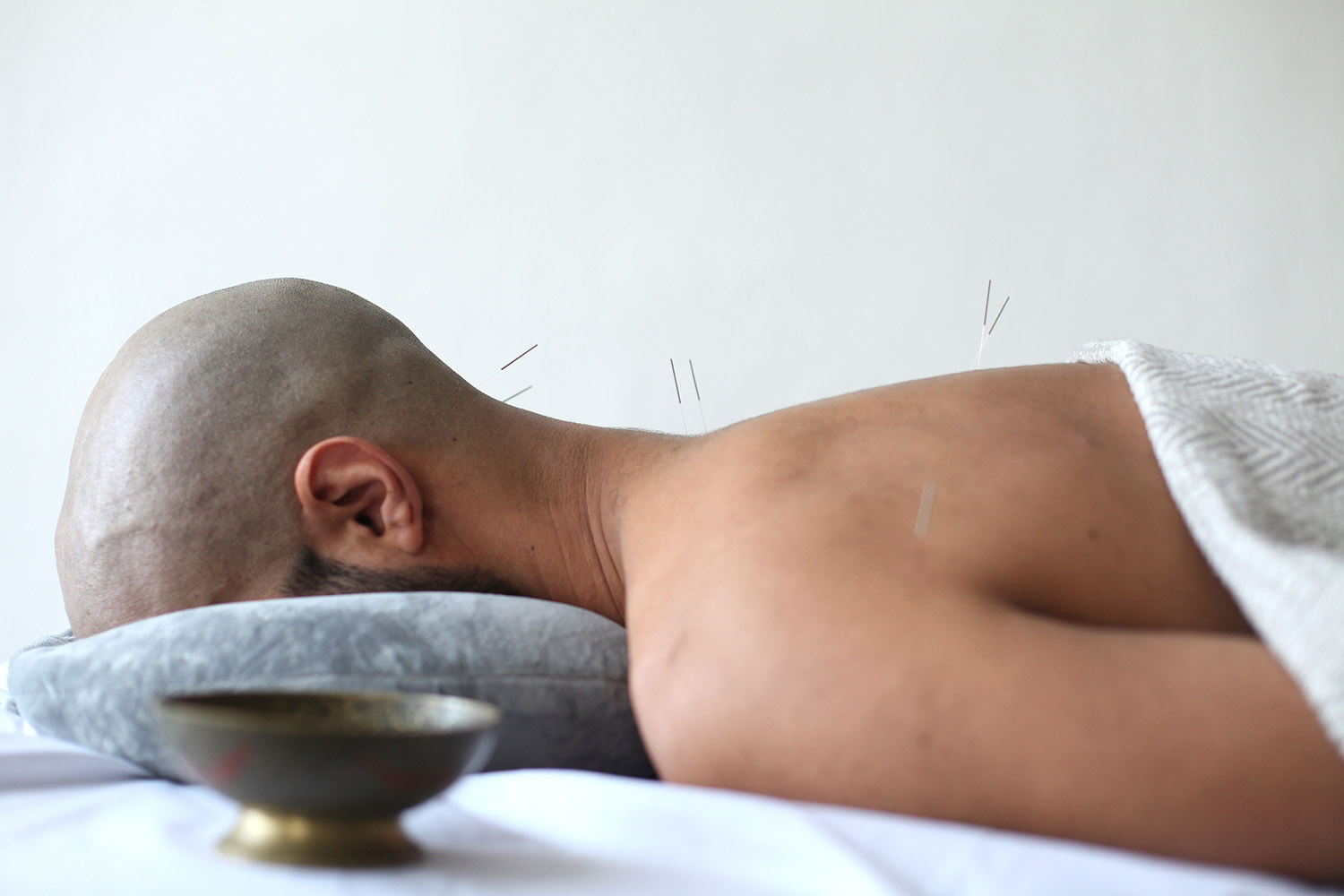
The course provides a comprehensive grounding in classical and contemporary Chinese Medicine theory and the clinical practice of acupuncture. It offers extensive opportunities to develop practical competence and the professional and business skills required for independent practice. Graduates are eligible for membership of the British Acupuncture Council and acquire key transferable skills, including communication, time management and research skills, supporting both professional success and progression to postgraduate study. Academic study is directly integrated with clinical application, particularly in diagnostic reasoning and treatment methods.
Uniquely within the UK and beyond, the curriculum combines the two principal strands of Chinese Medicine, Five Element Acupuncture and Traditional Chinese Medicine (TCM), in both theory and supervised practice at undergraduate level.
What will students typically go on to do once they have completed with this course degree?
Most graduates set up a private acupuncture practise and work out of a variety of different clinical settings; multibed, multidisciplinary or private rooms. Some graduates work in the NHS offering acupuncture services. A number of graduates also volunteer for acupuncture programmes that work with refugee communities and asylum seekers or offer volunteer services abroad.
Why study BSc Acupuncture at HSU?
The BSC in Acupuncture is accredited by the British Acupuncture Council and ensures all graduates are eligible to this professional body upon completion of the course. The integrated TCM and 5 element style of our course enables graduates to confidently and competently treat a range of conditions affecting health. Our student centred approach and our commitment to teaching excellence create a high student satisfaction rate and ensure 98% of graduates are still in practice one year after graduating
Course Details
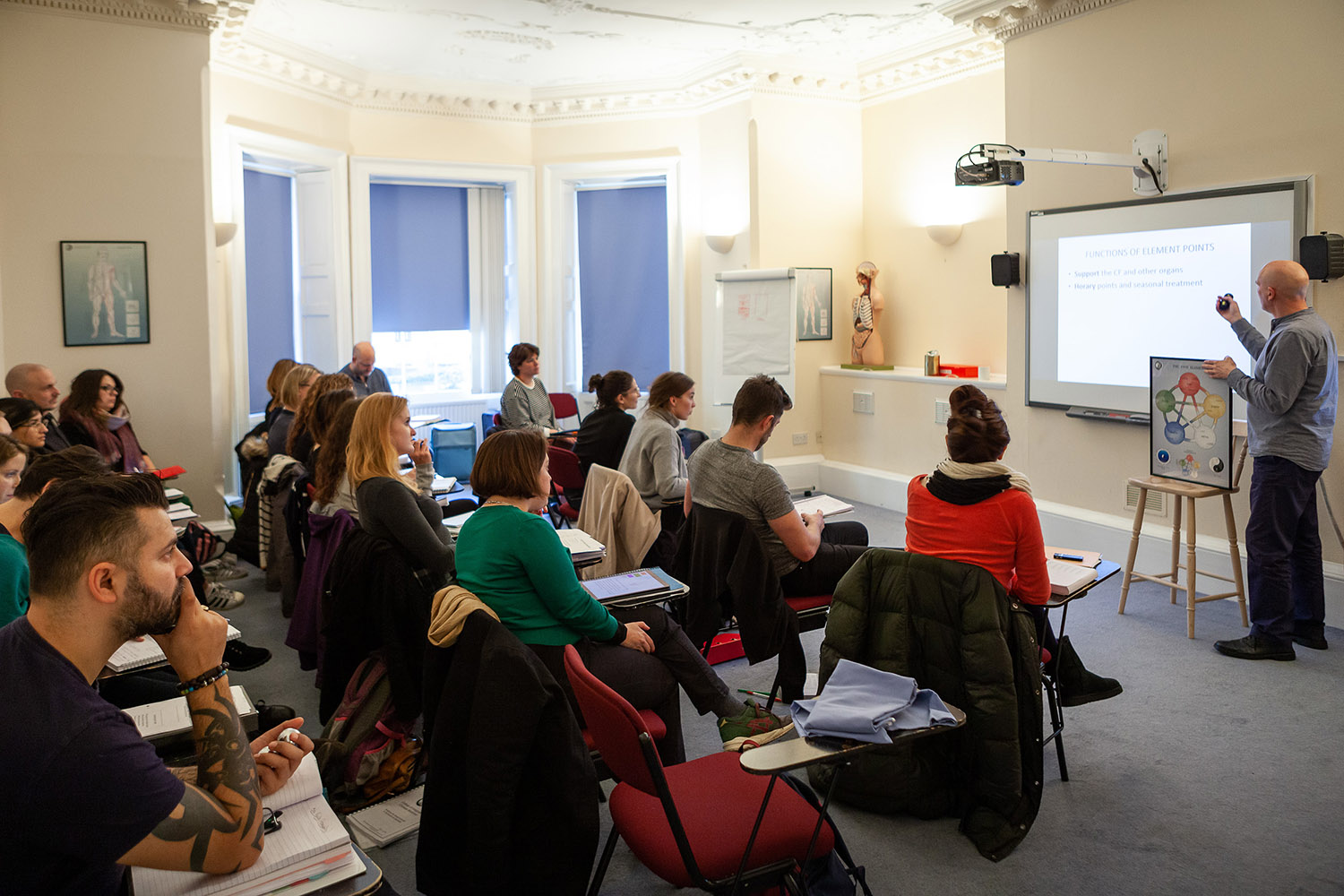
The course is structured around six vertically integrated themes: Chinese Medicine; Research & Reflective Practice; Conventional Medical Sciences; Point Location; Professional Practice; and Skills & Techniques. These themes are delivered through coordinated modules that introduce core theoretical foundations at Level 4, expand and deepen knowledge and skills at Level 5, and apply learning in supervised clinical practice with patients at Level 6.
Students are kept informed of contemporary developments in acupuncture through research-led teaching and specialist seminars. In the final year, each student undertakes an independent research project in a chosen area of Chinese Medicine or acupuncture. All units within the course are core.
Through a mixture of written assignments, oral presentations, continuous assessment of practical skills, written exams and timed practical assessments.
Students are expected to complete 20 hours of clinical observations with approved practitioners each year. In addition, the final year of the course is spent treating patients under supervision in the college clinic
2 days attending lectures per week during term times and a recommendation of an additional 20 hours home study per week
Unit Breakdown
Year 1
ACU4001 Anatomy and Point Location 
This unit develops your essential knowledge of anatomy and point location to support the safe and effective needling of acupuncture points. It introduces you to surface anatomy as the basis for point-location methods and skills. You will gain competence in accurately locating points on the lower arm and lower leg, the Back Shu points on the posterior torso, and selected points on the Ren and Du channels on the anterior and posterior torso respectively.
ACU4002 Acupuncture Skills and Techniques
This unit introduces you to the Five Element model and helps you explore and differentiate between the Elements. You begin developing your skills in pulse-taking and tongue diagnosis, with attention to their clinical relevance. You are also introduced to the practical skills of needling, cupping, moxibustion, and guasha, and you will have opportunities to practise these safely. In addition, you learn Qi Gong exercises to develop your own energy and strengthen your ability to support future patients.
ACU4003 Chinese Medicine Theory
This unit introduces you to the key principles of Chinese Medicine. You will learn to recognise patterns of disease, identify blocks to treatment, and distinguish between different symptoms.
ACU4004 Research and Reflective Practice, and Conventional Medical Science (CMS)
This unit introduces observation of patients, either in class in a group setting or individually with practitioners. You will be introduced to reflection on your experiences through use of formal reflective cycles.
This unit also introduces the core pillars of conventional medicine: anatomy (following on from surface anatomy in ACU4001), physiology, pathology and pharmacology. You will be introduced to the concept of Warning Features (Red Flags) of serious disease.
Year 2
ACU5001 Chinese Medicine Theory
This unit builds on the foundations of Chinese Medicine theory you learned in Chinese Medicine Theory 1, adding disease differentiation and point functions. You will develop a more critical understanding of the theory through the study of increasingly complex case histories.
ACU5002 Research and Reflective Practice, and Conventional Medical Science (CMS)
This unit continues your observation journey, deepening your experience by requiring you to analyse and reflect on your experiences. Research is introduced including auditing activities and critical evaluation of studies.
Your conventional medical knowledge deepens by exploring more of the body’s systems, including recognition of Warning Features (Red Flags) of serious disease and pathways for referral.
ACU5003 Acupuncture Points and Skills
This unit builds on the knowledge and skills you learned at Level 4. You will expand your point-location skills to include points on the body, head, face, and neck, with greater focus on accuracy and achieving de-qi when needling. You will also have opportunities to develop your ability to establish and maintain rapport, and through observation exercises, learn to recognise and analyse Five Element emotions. You will practise and refine your skills in pulse and tongue examination and their diagnostic implications. You will also practise and refine your skills in needling, moxa, cupping, and guasha, including more advanced techniques.
ACU5004 Professional Practice
This unit develops your skills in taking patient cases, making diagnoses, planning treatments, and giving lifestyle advice. You will also explore the ethical and social aspects of practice, helping you prepare for independent decision-making in self-employed practice.
Year 3
ACU6001 Integrating Theory and Practice
This unit helps you develop the theoretical, practical, and ethical skills you need to take a patient’s case history and form a diagnosis. It also prepares you to reflect on how you manage patients in a clinical setting and to plan for setting up your own practice. You explore how to apply the knowledge and skills you’ve gained from previous study, and you’re encouraged to build on this learning independently. The unit also focuses on finer aspects of treatment planning, such as understanding the level of illness, using point combinations effectively, and recognising complex emotional and disease patterns.
ACU6002 Research and Reflective Practice
This unit helps you further develop your research and reflective practice skills. Its focus is to give you the chance to carry out your own original research project. At the end of Year 2, you will be allocated a dissertation supervisor who will guide and support you through this process.
You will use what you have already learned about research methods, reading and analysing studies, and searching academic literature to review current research on a topic related to Chinese Medicine or acupuncture theory or practice. From this review, you will identify a gap in knowledge and develop a clear research question. You will then design and carry out your own independent project to answer that question, analyse your findings, and present your work in the style of a research paper.
You will also continue observing practitioners and student practitioners in clinic and keep an updated observations log.
ACU6003 Clinical Practice
This unit brings together three key parts of professional clinical practice: reflective practice, patient observation, and conventional medical sciences. You will continue to develop these as you progress in treating patients under supervision in clinic. The unit also helps you further develop the theoretical, practical, and ethical skills needed to take a patient’s case history, form a diagnosis, and plan and deliver treatment under supervision.
In the conventional medical sciences strand, you will consolidate your understanding of the Warning Features of serious illness (Red Flags) and explore the ethical and safety issues involved when treating patients who may also be receiving conventional medical care.
ACU6004 Developing Professional Practice
This unit takes place in your Pre-Qualifying Practice (PQP) period. This occurs during the final 3 months of the course when you are ready to practise independently but with access to support from your supervisor. It brings together everything you have learned throughout the course and helps you reflect on your transition into becoming a fully qualified practitioner.
Staff
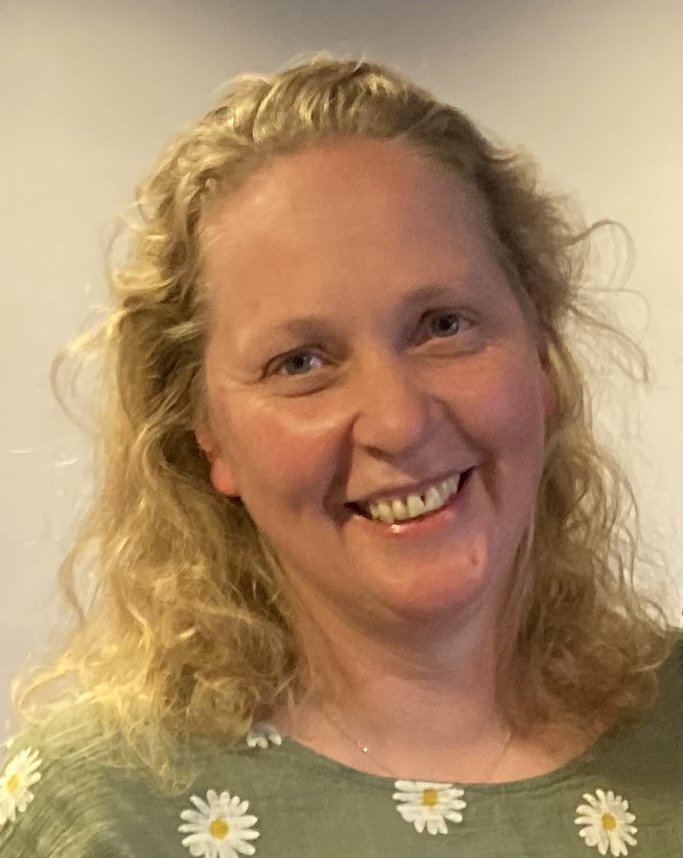
Andrea Garratt
Andrea Garratt
Professional Practice Programme Leader with the College of Integrated Chinese Medicine, CICM.
Full bio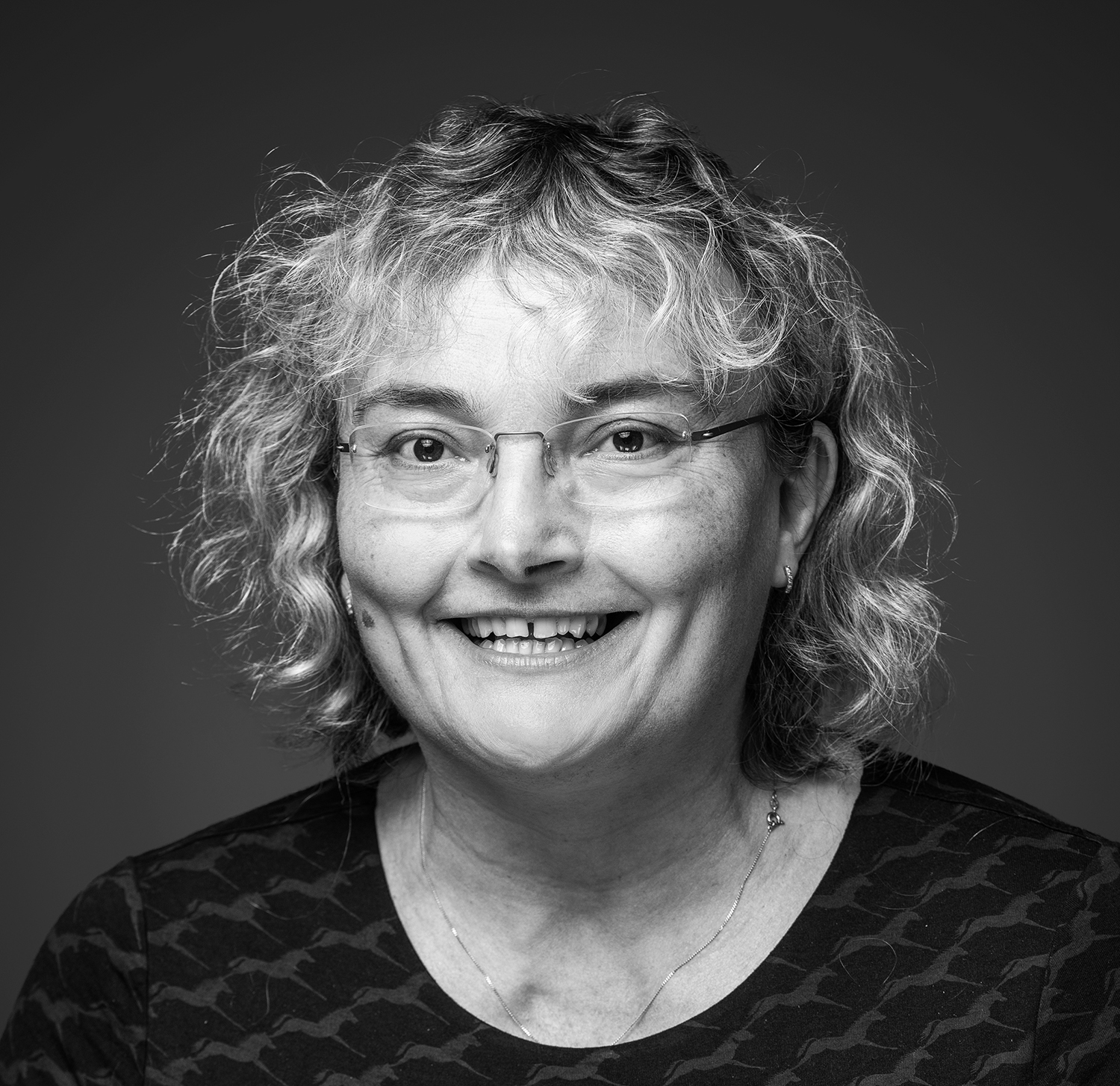
Clinical Programme Leader and Chinese Medicine Programme Leader at the Reading HSU site
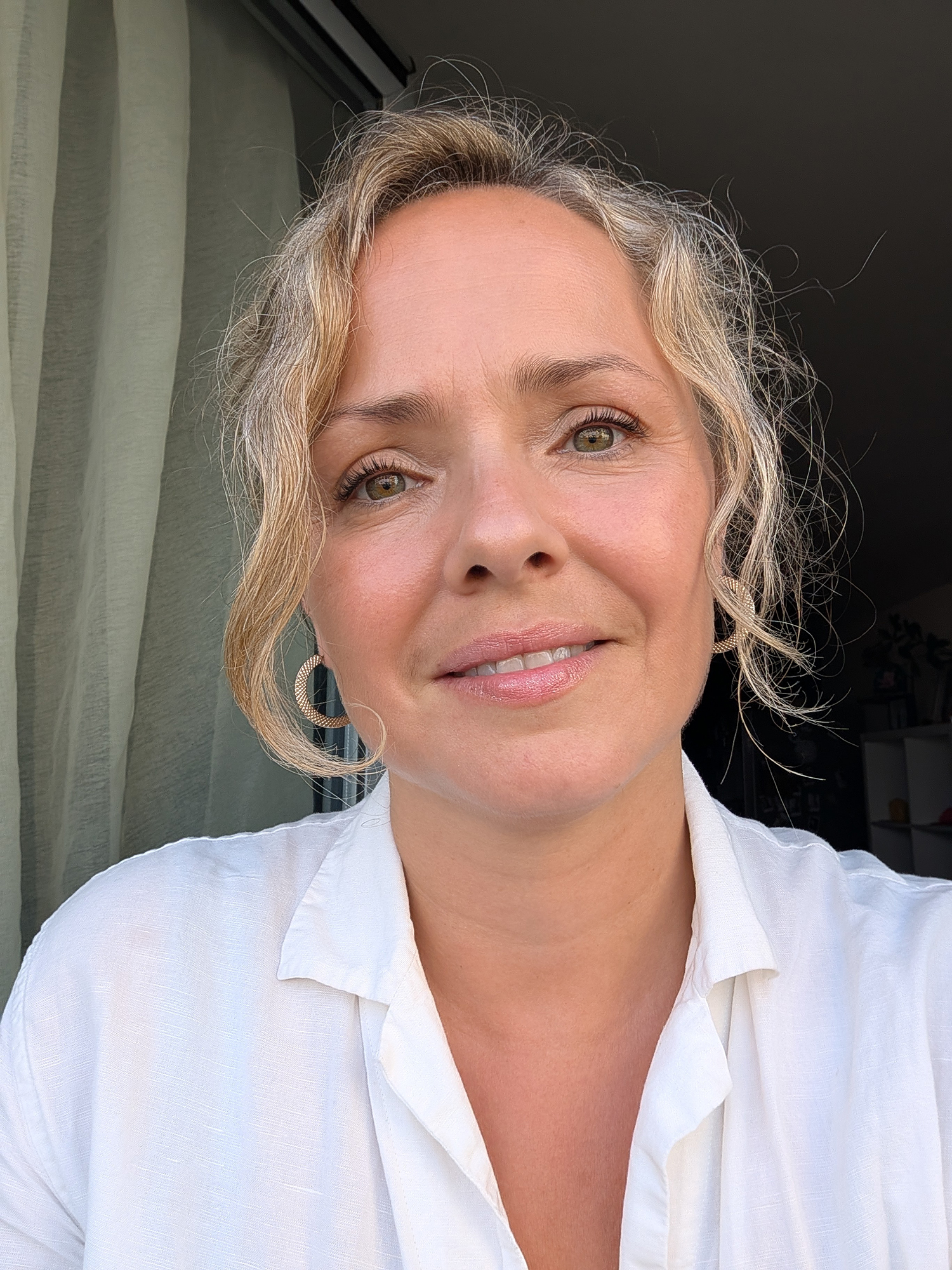
Programme Leader, Practical Skills Teacher
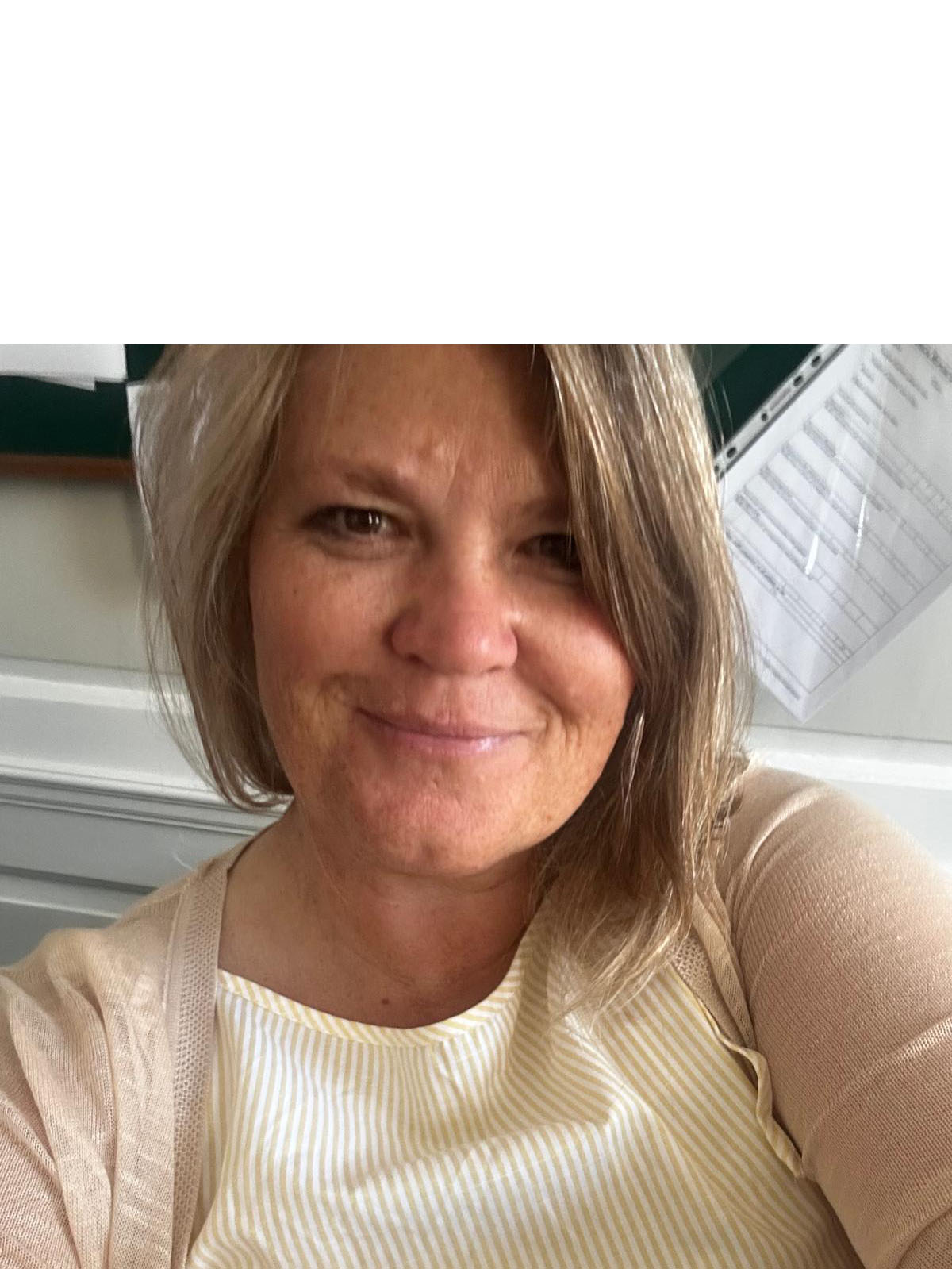
Lecturer, Clinical Supervisor and Five Element Skills Program Leader

| Academic Director | Lynda French |
| Programme Leader for Research and Reflection | Angela Van Veen |
| Programme Leader for Conventional Medical Science | Yasmine Abdalla |
| Programme Leader for Point Location and Anatomy | Yasmine Abdalla |
Entry Requirements
What grades do I need?
- Fluency in the English language both written and oral. If English is not your first language and your secondary education has not been undertaken in English, we will ask to see a level 6.5 (academic) IELTS certificate, with no element less than 6.5
- As a minimum, we require 2 A Levels or BTEC qualifications. These can be in any subject. If you do not have these, you will need to complete a comprehension test as part of your interview process.
International students
Please note: We are currently unable to accept applications for September 2026 entry from applicants who require a Student visa to study in the UK. If you require a Student visa and would be interested in joining a future intake please register your interest by emailing jobrown@cicm.org.uk
Tuition Fees
Tuition Fees 2026/27
Full-time:
UK/ROI/Channel Islands and Isle of Man students – £9,790
International – £9,790
These fees are for the 2026/27 academic year only and may be subject to an increase in subsequent years of study. Any future increase will be in line with our Tuition Fees Policy which can be accessed on our Study Money Matters page
Additional course costs
There may be additional costs you need to budget for in order to get the maximum benefit from your time at HSU.
Latest News
Discover and read all the latest news, press releases and happenings here at Health Sciences University.
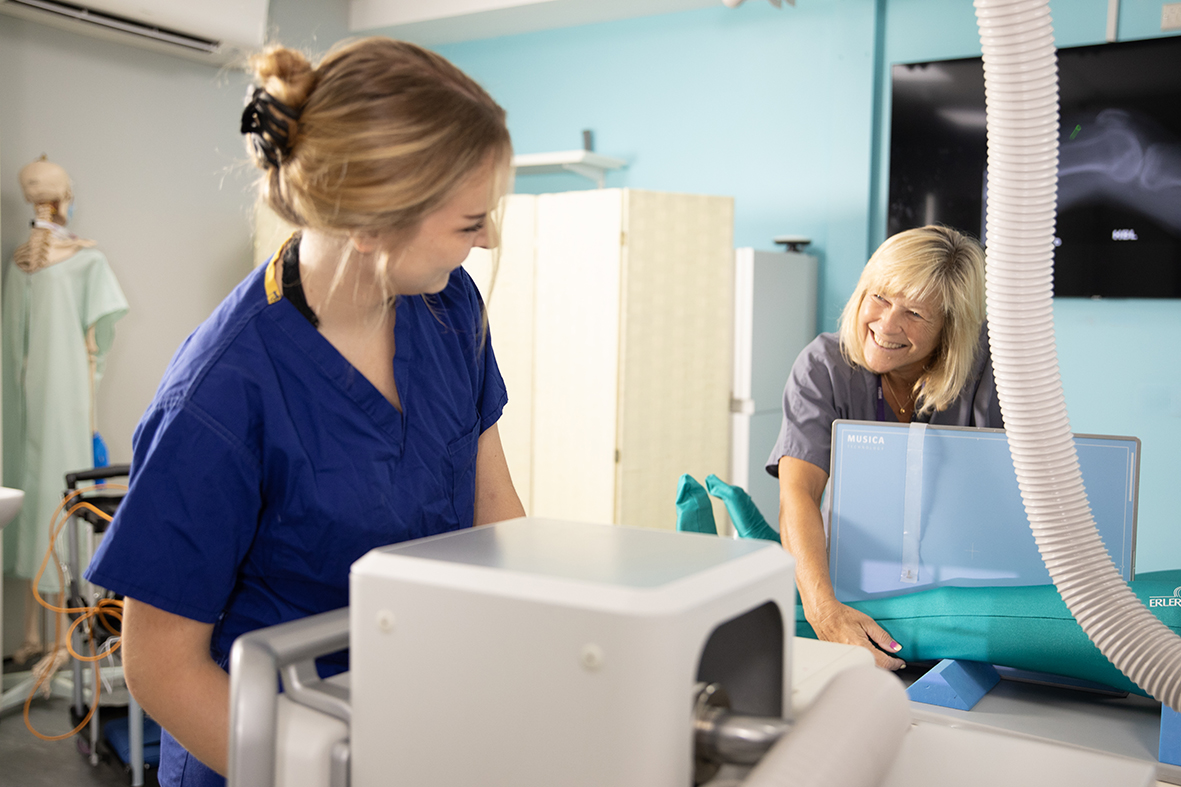

Health Sciences University is sponsoring the inaugural MSK Awards 2026, including the Innovation in MSK Practice Award, with Professor Steven Vogel also joining the expert judging panel.
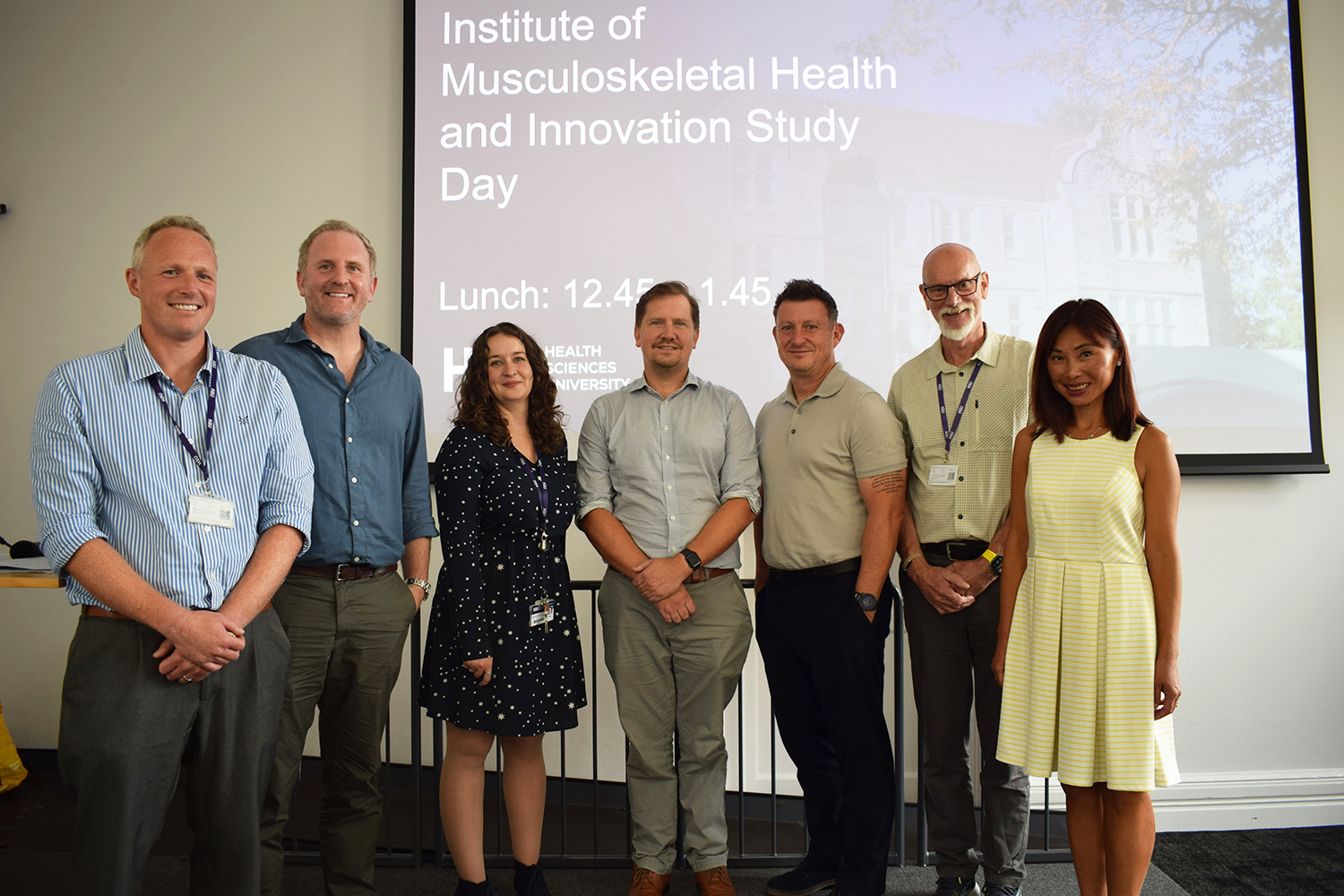
Health Sciences University (HSU) welcomed over 50 healthcare professionals from across the musculoskeletal (MSK) community for the launch of the new Institute of Musculoskeletal Health and Innovation (IMHI), bringing together expert speakers, clinicians, students and educators for a day of continuing professional development centred on clinical reasoning and decision-making.
Health Sciences University has been shortlisted for Specialist Institution of the Year at the THE Awards 2026, recognising the University’s specialist approach to education, clinical care, applied research and workforce impact.


Find us
Health Sciences University
Bournemouth Campus
Parkwood Road
Bournemouth
BH5 2DF
Health Sciences University
London Campus
275 Borough High Street,
London
SE1 1JE
Health Sciences University
Reading Campus
19 Castle Street
Reading
RG1 7SB