
The healthcare industry is fast-growing and constantly evolving. Managers and leaders working within this sector possess a blend of skills and attributes that enable them to manage teams, navigate complex regulations, and focus on patient-centered care.

What Is Healthcare Management?
Healthcare management plays a vital role in ensuring healthcare services operate effectively and meet the needs of the communities they serve.
Also referred to as healthcare administration or health services management, it encompasses a wide range of managerial and leadership functions, including strategic planning, HR management, organisational behaviour, accounting, health economics, marketing, and the growing integration of digital solutions and artificial intelligence (AI).
Outside of traditional healthcare settings healthcare management can also support social care, community services and public health initiatives that promote health and preventative care, contributing to societal well-being.
An evolving and rewarding profession
Collaboration at the core
Effective healthcare management relies on collaboration and partnerships. Leaders in this field must navigate complex systems, working alongside clinicians, administrative professionals, insurance companies, government agencies, and charitable organizations. Strong communication and teamwork are essential to ensuring the smooth delivery of services and fostering positive outcomes for patients and communities.
This collaborative way of working makes healthcare management a unique and rewarding career. By working with diverse stakeholders, healthcare managers help bridge gaps between different sectors, ensuring that healthcare systems remain patient-centred and efficient.
The future of healthcare management
Rapid technological advancements, the rise of data-driven decision-making, and the increasing focus on patient-centred care present new challenges and opportunities for professionals in this field. These dynamics make healthcare management an exciting and fulfilling career choice for those who thrive on innovation and problem-solving.
As the demand for skilled leaders in healthcare continues to grow, so does the need for professionals who embrace lifelong learning. The ability to adapt to change, think critically, and foster a culture of development within teams is crucial for building a modern healthcare workforce.

Career opportunities for our students
Opportunities include roles in public and private healthcare organisations such as hospitals, clinics, and health authorities, as well as in non-governmental organisations, charitable bodies, insurance firms, and health-related industries like pharmaceuticals and biotechnology. Graduates may also pursue entrepreneurial ventures or more formal roles in policy-making with regional, national, or international organisations like the World Health Organization, UN agencies, or charitable foundations such as Médecins Sans Frontières.
For those already in clinical practice, this course provides a pathway to enhanced leadership roles or transitions into managerial positions. Others may move into policy development, implementing strategies that improve healthcare delivery.
Whether advancing in current careers or exploring new opportunities, students will leave with a robust understanding of leadership and management principles and practices, ready to shape the future of healthcare.

Our healthcare management courses
Benefit from international perspectives and expertise
Our business courses have been designed by experts in curriculum design and individuals who have many years of successful business experience to ensure they truly meet the needs of students and of employers. Our visiting professors include leading business figures and health practitioners from around the world, providing our students with unique insights into different healthcare management examples and their applications, and can provide advice on developing successful careers in healthcare management.

Looking for more subjects?
We offer health education undergraduate and postgraduate degrees and professional short courses in the fields of chiropractic, osteopathy, medical imaging and radiology, psychology and sport, exercise and health science. Visit the subject areas that interests you and register your interest on a course.
News
Discover and read all the latest news, press releases and happenings here at Health Sciences University.


Health Sciences University is sponsoring the inaugural MSK Awards 2026, including the Innovation in MSK Practice Award, with Professor Steven Vogel also joining the expert judging panel.
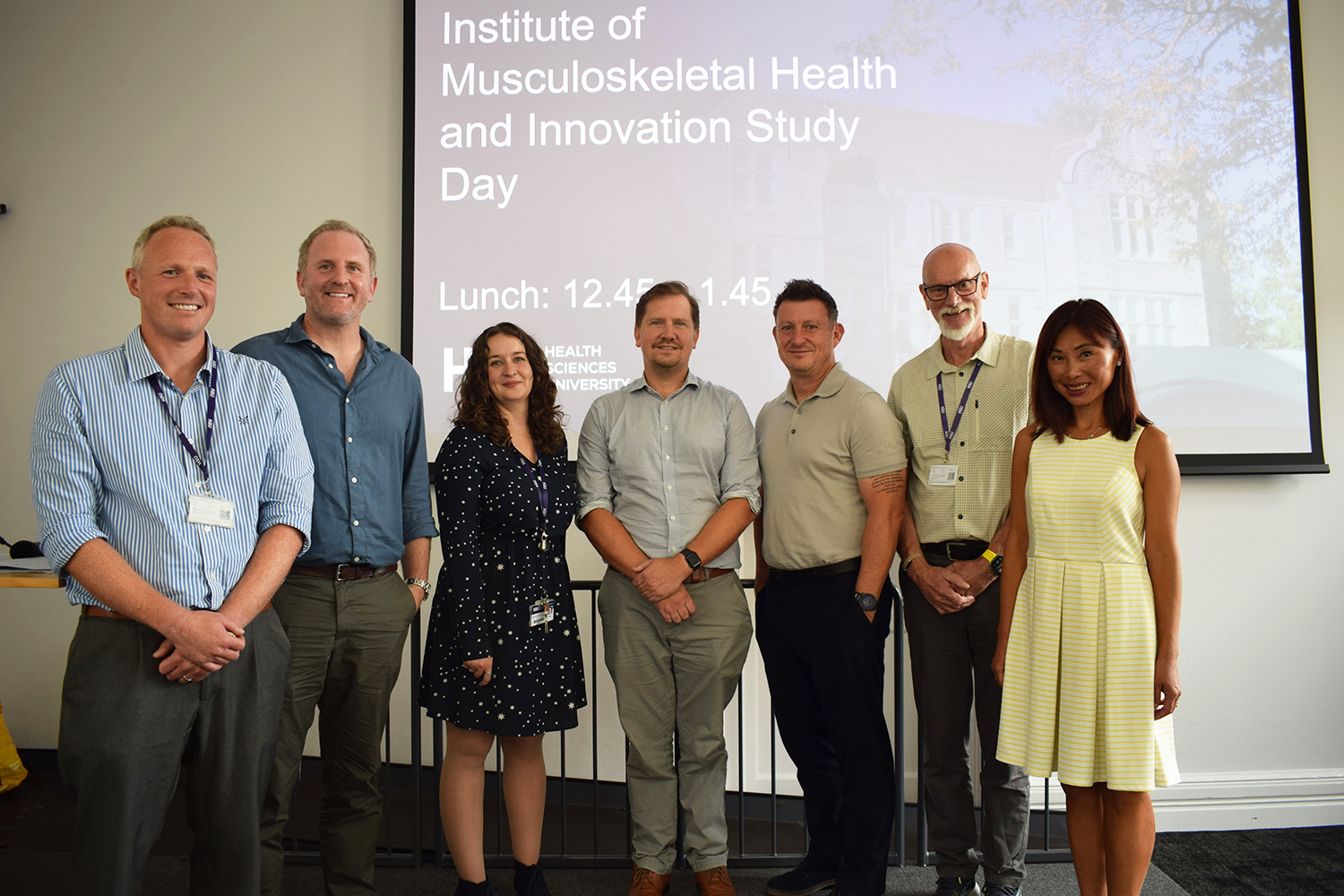
Health Sciences University (HSU) welcomed over 50 healthcare professionals from across the musculoskeletal (MSK) community for the launch of the new Institute of Musculoskeletal Health and Innovation (IMHI), bringing together expert speakers, clinicians, students and educators for a day of continuing professional development centred on clinical reasoning and decision-making.
Health Sciences University has been shortlisted for Specialist Institution of the Year at the THE Awards 2026, recognising the University’s specialist approach to education, clinical care, applied research and workforce impact.