PhD Project: Obstacles and Bridges:
Understanding and Enhancing Consent in Manual Therapy

Understanding and Enhancing Consent in Manual Therapy
Effective consent stands as a cornerstone of ethical practice in manual therapy, yet it remains remarkably underexplored despite its profound implications for both patient care and professional practice. This doctoral project addresses this significant research gap by investigating the complex, nuanced dynamics of consent in manual therapy settings either across or within the disciplines of chiropractic, osteopathy, and physiotherapy.
Manual therapy encompasses a diverse range of hands-on techniques and communication approaches designed to promote patient wellbeing, functional improvement, and self-management. These therapeutic encounters inherently involve physical contact and the development of close therapeutic relationships with patients, creating a unique context for understanding consent. While obtaining informed consent represents both a legal and regulatory requirement, its deeper significance as an ethical obligation that respects patient autonomy, fosters trust, and supports shared decision-making. It can be construed of as an opportunity to enhance person centred care.
The Montgomery ruling (2015) fundamentally reshaped the legal landscape of consent in UK healthcare, shifting from a clinician-centred approach to one that prioritises the “reasonable patient” standard. This landmark case established that healthcare professionals must disclose information that would be considered significant by a reasonable patient in their specific circumstances, not merely what the profession deems relevant. Despite these significant developments, there remains a concerning paucity of research on how consent is obtained, communicated, and understood within manual therapy settings.
Email: steven.vogel@hsu.ac.uk
This doctoral project will explore several intriguing questions that sit at the intersection of clinical practice, ethics, law, and communication. Final research questions will be determined with the successful applicant but may include one or more of the following:
The project is anticipated as employing a mixed-methods design that captures both the breadth and depth of this complex topic:
Phase 1: Knowledge Synthesis – A systematic, realist or scoping review will map existing literature on consent in manual therapy and related healthcare fields. This will identify critical knowledge gaps and theoretical frameworks to inform subsequent work.
Phase 2: Qualitative Exploration – In-depth semi-structured interviews with diverse stakeholders (practitioners across disciplines and patients from varied backgrounds) will explore lived experiences and perceptions of consent processes. This may be complemented by analysis of recorded consultations (with appropriate permissions) using discourse and or conversation analysis methods to examine how consent unfolds in real-world interactions.
Phase 3: Quantitative Investigation – Building on qualitative findings, a theoretically-informed survey will be developed and distributed to a larger sample of practitioners and patients. Statistical analysis will quantify the prevalence of identified perceptions and behaviours, and assess relationships between variables.
Phase 4: Knowledge Translation The culminating phase will involve developing, refining and practical strategies and resources to enhance consent processes in manual therapy, potentially including identifying educational interventions, communication frameworks, or decision-support tools.
This project offers a unique opportunity to contribute significant new knowledge that bridges theoretical understanding with practical application. The findings will have direct implications for:
Clinical Practice: Developing evidence-based approaches to consent that enhance patient autonomy while acknowledging the realities of clinical settings. Professional Education: Informing curriculum development and continuing professional development across manual therapy disciplines. Regulatory relevance: Enhancing the foundation of profession-specific guidelines and standards related to consent. Patient Experience: Improving patients’ understanding of treatment options and enhancing their role in therapeutic decision-making.
The interprofessional nature of this study presents a distinctive strength, enabling knowledge exchange across chiropractic, physiotherapy, and osteopathy by leveraging Health Sciences University’s unique position as the first UK institution to house all three disciplines within its portfolio. This cross-disciplinary opportunity will enrich the findings and increase their relevance across the manual therapy landscape.
For practitioners from chiropractic, osteopathy or physiotherapy backgrounds, this project offers an exceptional opportunity to elevate an essential yet often overlooked aspect of practice to the level of rigorous academic inquiry, ultimately enhancing the therapeutic relationship that lies at the heart of effective manual therapy.

We have funding available via fee-waiver support for up to three UK home students. Applicants are asked to make it clear as part of their application that they are applying for this opportunity. Decisions will be made based on the excellence of the candidate.
Self-funded students are also welcome to apply for this project. Self-funded students can be UK home students or international students.
Available to both UK and International students.
Discover and read all the latest news, press releases and happenings here at Health Sciences University.
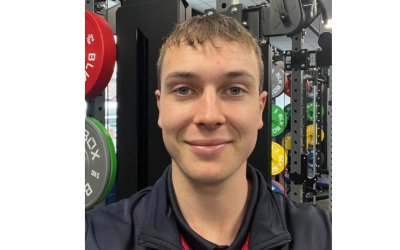
HSU graduate Ben Samways studied BSc (Hons) Sport, Exercise and Health Science before progressing into strength and conditioning with an MSc at Bournemouth University.
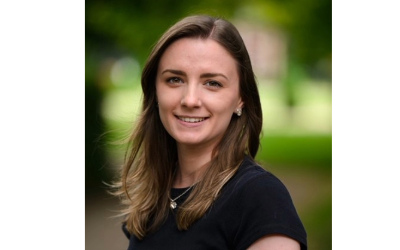
HSU graduate Nikita completed BSc Clinical Exercise Science before progressing to an MSc in Health Education and Promotion and a PhD in Tobacco Control at Maastricht University in the Netherlands.
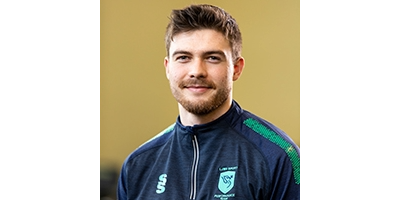
HSU graduate Joel Kearney studied BSc Clinical Exercise Science before progressing into elite sport performance, biomechanics and strength and conditioning. Following an MSc at LJMU, UKSCA accreditation and a Vice-Chancellor’s Scholarship PhD, Joel has worked with organisations including Liverpool FC, British Cycling, British Gymnastics and the FA, and is now Head of Strength & Conditioning at Championship Rugby Union side Caldy RFC.
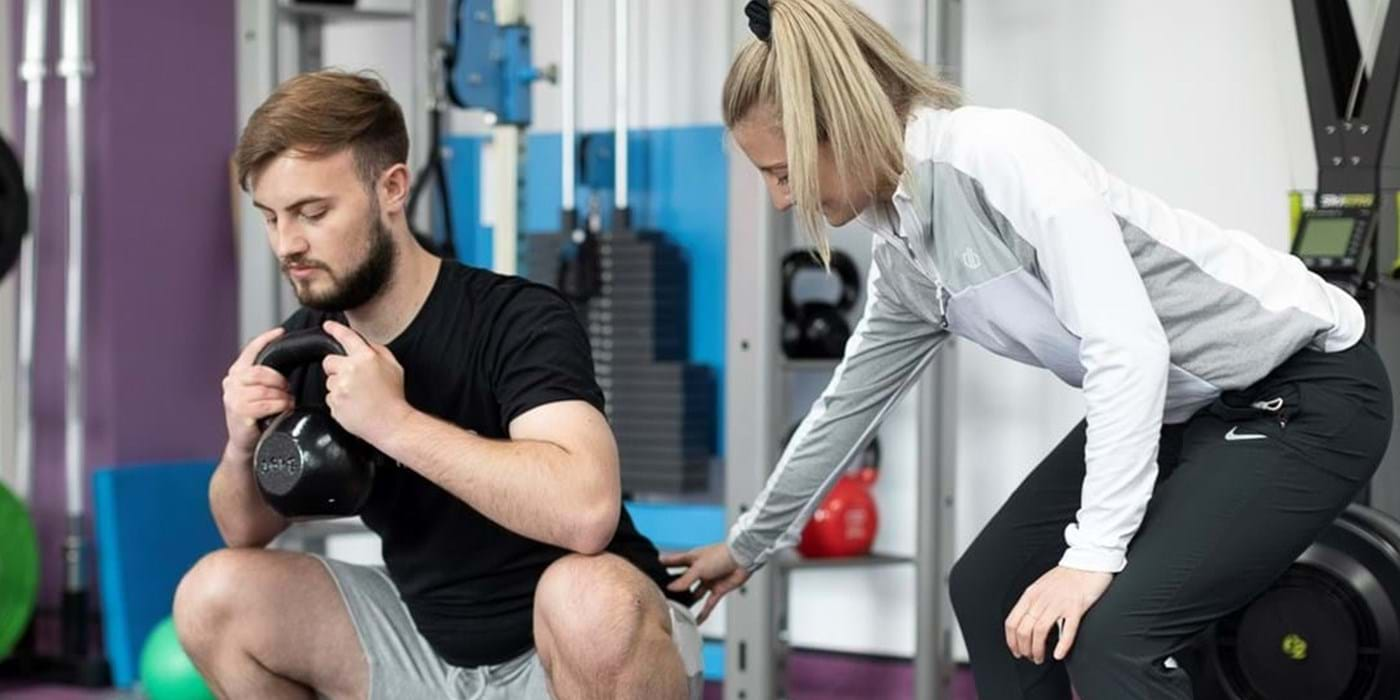
Since joining HSU in 2023, Billy Coleman has been teaching across the BSc and MSc Sport Rehabilitation programmes while also coordinating student placements. A BASRaT-accredited practitioner and HSU MSc Sport Rehabilitation & Therapy graduate, they combine teaching with hands-on industry experience at Wimborne Town FC and Bournemouth Heart Club, supporting patients across cardiac, respiratory, diabetes and cancer rehabilitation.
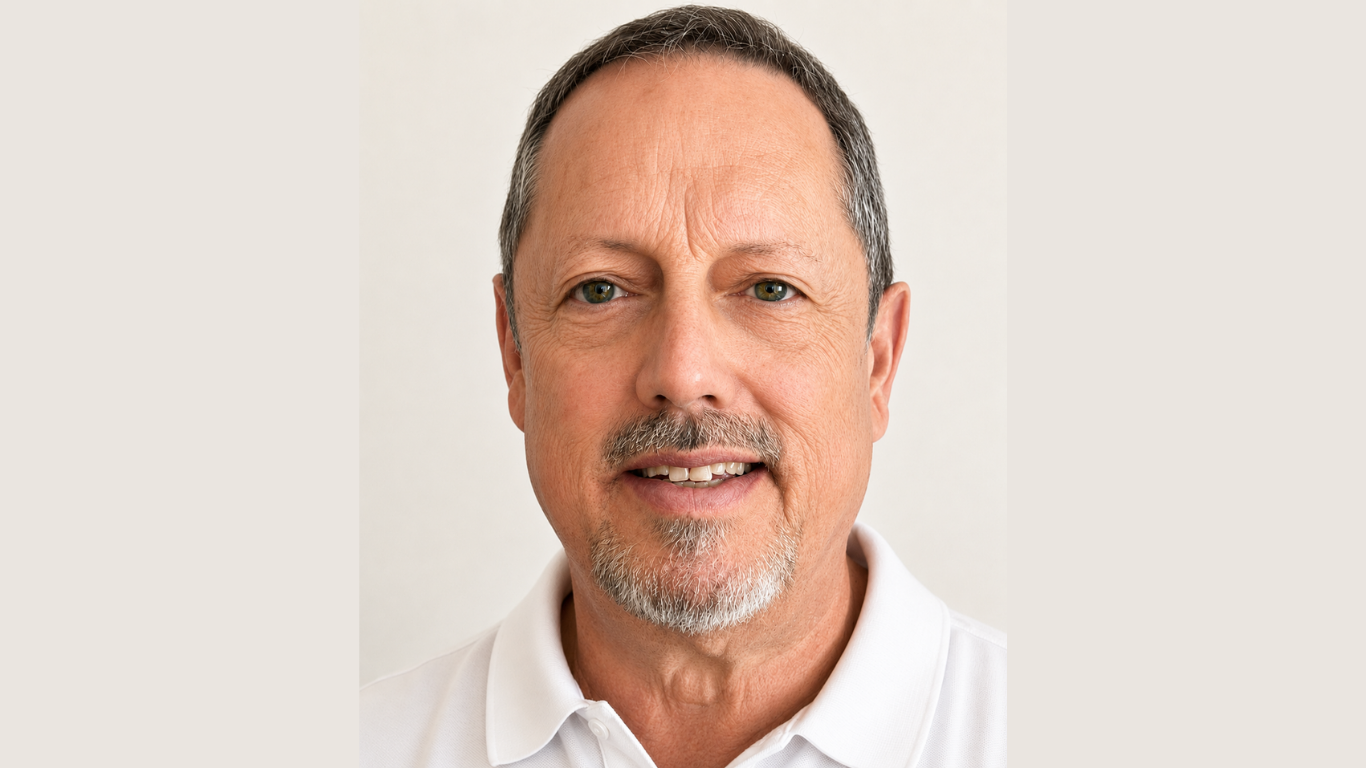
Health Sciences University has appointed internationally recognised clinician, researcher and educator Professor Jeremy Lewis PhD FCSP as a Professorial Research Fellow within its Institute of Musculoskeletal Health and Innovation (IMHI).
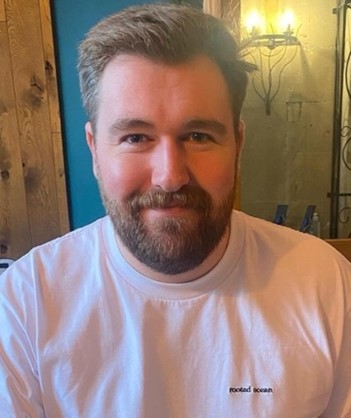
HSU graduate Sam Bigley studied BSc Exercise Science (Health and Rehabilitation) before progressing into respiratory and prehospital care.


Health Sciences University
Bournemouth Campus
Parkwood Road
Bournemouth
BH5 2DF
Health Sciences University
London Campus
275 Borough High Street,
London
SE1 1JE