
Overview
Suboptimal diet is common with cancer survivors (Kiew, 2022) but few studies have been shown in critical illness survivors whether they experienced suboptimal diet post discharge as well.
Most survivors of critical illness face physical and some psychological disability after being discharged from the critical care unit (Moisey, 2022) It is quite apparent that they are malnourished which may lead to poor physical outcomes, and optimising nutrition remains a challenge in early phases of critical care recovery. The process of restoring or optimizing nutritional status following illness (or nutritional rehabilitation) is seldom prioritised, possibly because it is an under-recognised and underappreciated area in critical care rehabilitation practice and research.
As the number of patients surviving critical illness increased, there has been an increase in reported physical and functional disability as well as impairment of quality of life following discharge from the critical care unit (Herridge, 2011). Skeletal muscle weakness, termed intensive care unit-acquired weakness (ICU-AW), contributes significantly to the physical and functional disability observed in these patients during their stay in the critical care unit (Bear, 2017).
It is important for critical care survivors to be followed up with an appropriate multidisciplinary approach which includes nutrition rehabilitation. The challenges such as timing to provide nutrition support and the dose of nutritional support required remains further investigation as the information about these elements remain scarce.
Project Contact:
Associate Professor Dr Hazreen Maji
Email: hmajid@aecc.ac.uk
Details
Aims
The aim of this PhD is to investigate barriers and challenges in optimising nutrition intake post ICU discharge and how this impacts their overall nutritional status. In addition, we will also develop an interventional study of nutritional rehabilitation to help survivors optimise their nutritional intake.
Methods
In the first phase, the PhD candidate will explore the literature about this topic and a narrative review will be written. Following this, a qualitative study will explore the barriers and challenges in optimising dietary among the critical care survivors. Then an interventional study (quasi-experimental design) will be conducted to explore the appropriate nutrition intervention that can be developed to assist these survivors to meet their nutritional intake and evaluate its relationship with nutritional status (weight, muscle mass and functional capacity) compared to current practice.
Expected outcomes
To provide evidence or otherwise of baseline nutritional rehabilitation intervention for the critical care survivors.
Impact
Limited number of studies have explored the possible strategies in ensuring adequate delivery of intervention or provision of nutrition over a period of time which can be influenced by physiological changes. Nevertheless, barriers and challenges in obtaining optimum nutrition among ICU survivors remain unclear. Important outcomes include quality of life, nutritional intake and potentially muscle mass and function. Patient selection of those most likely to benefit from nutritional interventions and nutrition research in the post-ICU phase merits specific attention.
Funding 
We have funding available via competition for fully-funded studentships or fee-waiver support for UK home students. Applicants are asked to make it clear as part of their application that they are applying for one of these funded opportunities. Decisions will be made based on the excellence of the candidate.
Self-funded students are also welcome to apply for this project. Self-funded students can be UK home students or international students.
Availability
Available to both UK and International Students
Potential Supervisors
- Hazreen Majid, Associate Professor in Dietetics, Health Sciences University, UK
References
Kiew, S. J., Mohd Taib, N. A., Islam, T., Abdul Majid, H., & MyBCC study group (2022). Changes in Dietary Intake of Breast Cancer Survivors: Early Findings of a Malaysian Breast Cancer Prospective Cohort Study. Nutrition and cancer, 74(7), 2470–2478. https://doi.org/10.1080/01635581.2021.2013508
Moisey, L. L., Merriweather, J. L., & Drover, J. W. (2022). The role of nutrition rehabilitation in the recovery of survivors of critical illness: underrecognized and underappreciated. Critical care (London, England), 26(1), 270. https://doi.org/10.1186/s13054-022-04143-5
Herridge, M. S., Tansey, C. M., Matté, A., Tomlinson, G., Diaz-Granados, N., Cooper, A., Guest, C. B., Mazer, C. D., Mehta, S., Stewart, T. E., Kudlow, P., Cook, D., Slutsky, A. S., Cheung, A. M., & Canadian Critical Care Trials Group (2011). Functional disability 5 years after acute respiratory distress syndrome. The New England journal of medicine, 364(14), 1293–1304. https://doi.org/10.1056/NEJMoa1011802
Bear, D. E., Wandrag, L., Merriweather, J. L., Connolly, B., Hart, N., Grocott, M. P. W., & Enhanced Recovery After Critical Illness Programme Group (ERACIP) investigators (2017). The role of nutritional support in the physical and functional recovery of critically ill patients: a narrative review. Critical care (London, England), 21(1), 226. https://doi.org/10.1186/s13054-017-1810-2
Latest News
Discover and read all the latest news, press releases and happenings here at Health Sciences University.
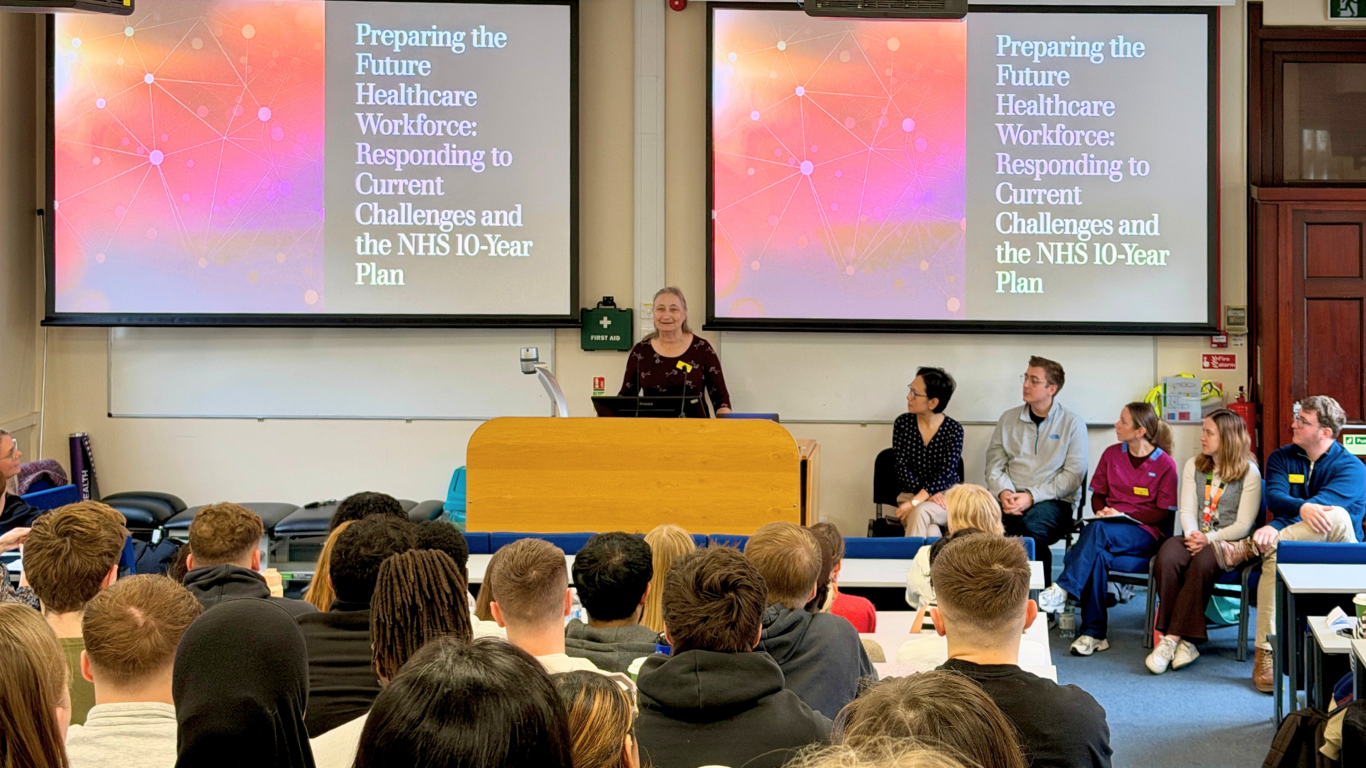
Health Sciences University welcomed healthcare professionals, employers and alumni for its Allied Health Professionals Careers Day, offering final-year students practical advice and insights into professional practice.
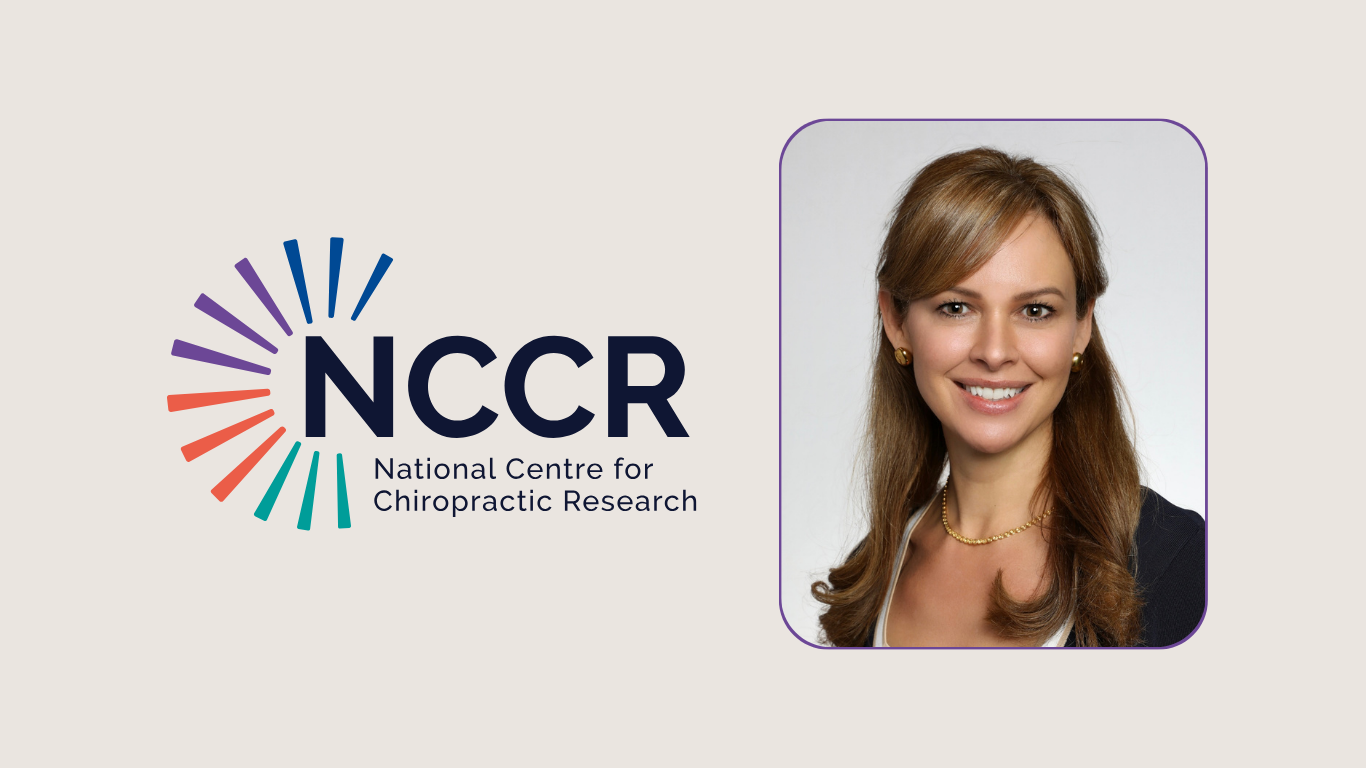
Health Sciences University (HSU) has announced the appointment of Faye Deane as the inaugural Director of the National Centre for Chiropractic Research (NCCR), marking an important step in the Centre's development.
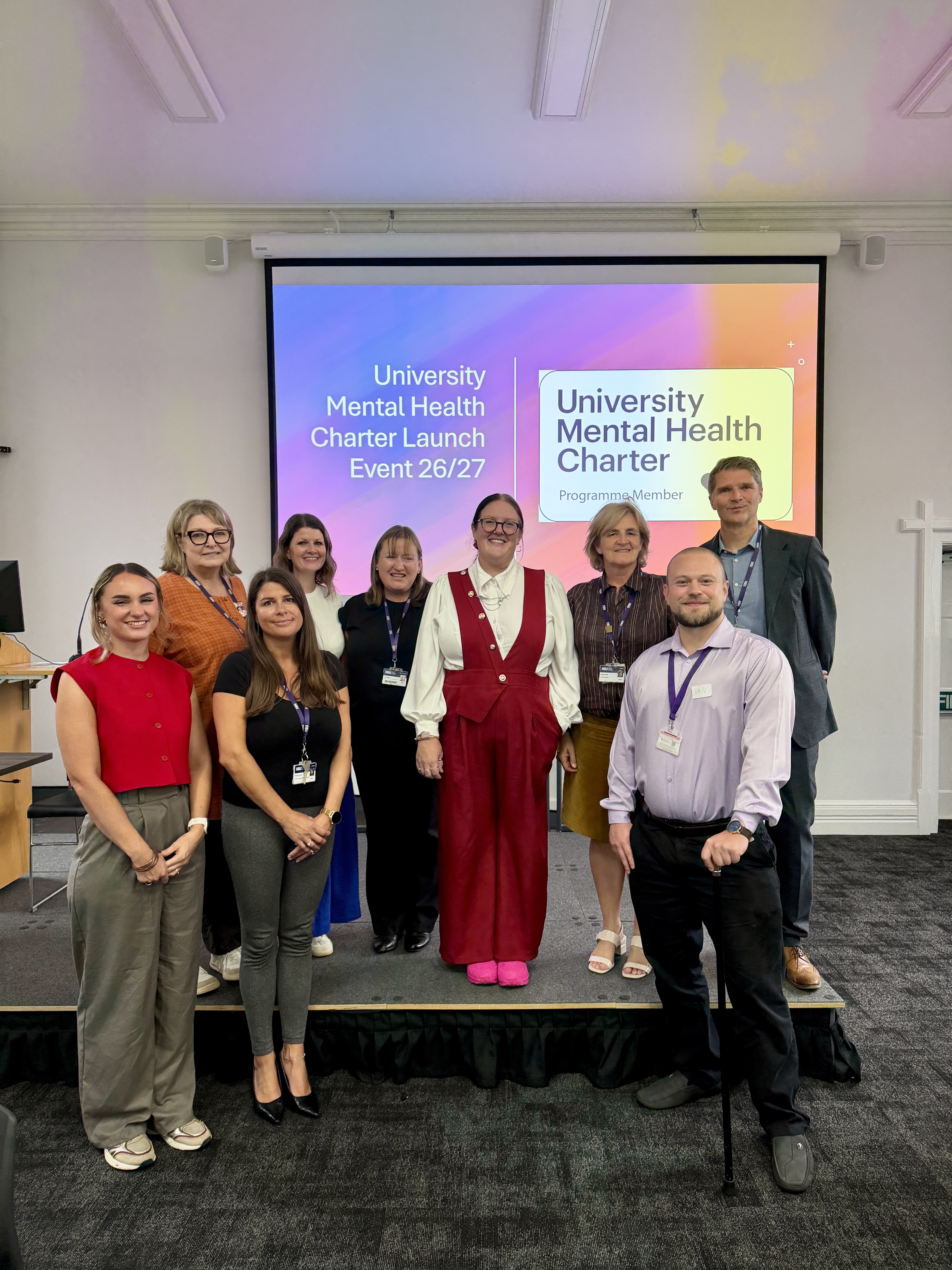
Health Sciences University brought students and staff together across its Bournemouth and London campuses for events supporting the University Mental Health Charter and marking World Mental Health Day.

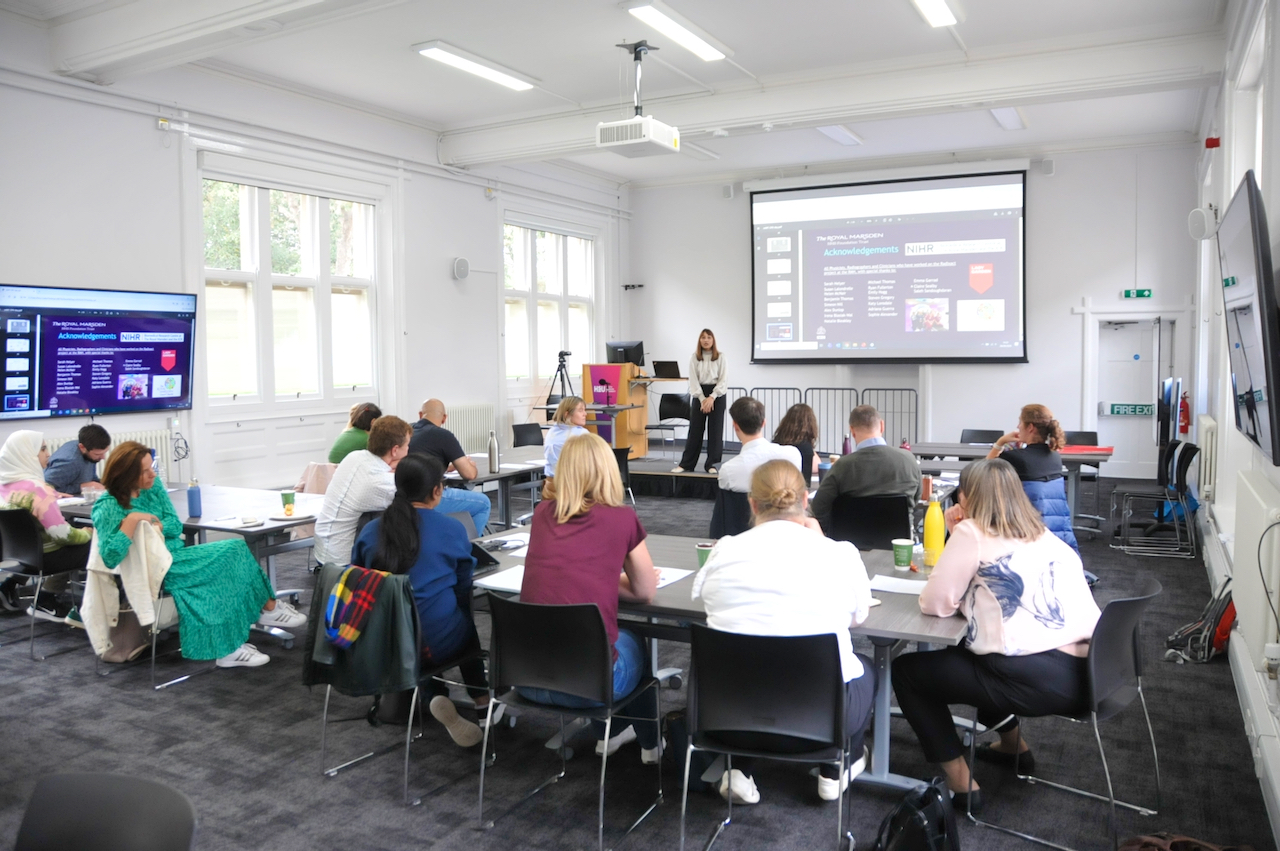
Health Sciences University brought together radiotherapy professionals from across Wessex for a CPD day focused on online adaptive radiotherapy, sharing expertise and supporting its implementation in practice.