
Overview
This standalone Level 4 unit is designed for Teaching Assistants, childcare workers, and Assistant Practitioners in children’s health, education, and care. It provides a foundational understanding of early child development through the Developmental Play approach, emphasising non-verbal communication, sensory development, and the importance of stages over ages. Play, as children’s primary occupation, is a proven model for supporting those at risk or facing developmental challenges, offering structured frameworks and child-centred interventions.
Course Details
The unit introduces the Developmental Play Model, integrating best practices in child development, sensory integration, attachment theory, and neurodevelopment. Rooted in the UN Rights of the Child, it promotes an inclusive, culturally relevant approach to play. Participants explore the developmental play pyramid, progressing from sensory body play to higher level play. Access to the CreateCATT academy provides global expertise, ensuring practical application and a deeper understanding of play’s role in early childhood development.
This course offers a blended learning approach with pre-course lectures, activities and course work on the online academy where the theory of Developmental Play can be studied your own pace. This is then complimented by in person three days of practicum where you will experience hand on play activities and embody the learning. This will be followed by 4 two hour online sessions.
As a unique Health Sciences University, HSU has developed a wide range of educational opportunities for health and care professionals. Provision at HSU is delivered by experts and clinicians that combine roles in both academia and practice. This unit will be led by a expert in the field of developmental play.
What will you learn on the course?
- Definitions of play and why play matters
- Understanding the role of relationships in playful development
- Child development stages not ages
- Sensory systems and body schema
- Children’s creative development, theories and concepts
- Identifying why children play
- Play in nature, exploring the power of nature
- Exploration of the role that adults play during sessions
- Understanding the creative play process
Entry Requirements
Entry Requirements 
This unit is designed for Teaching Assistants, childcare workers, and Assistant Practitioners in children’s health, education, and care.
Still have questions about applying?
Latest News
Discover and read all the latest news, press releases and happenings here at Health Sciences University.


Health Sciences University is sponsoring the inaugural MSK Awards 2026, including the Innovation in MSK Practice Award, with Professor Steven Vogel also joining the expert judging panel.
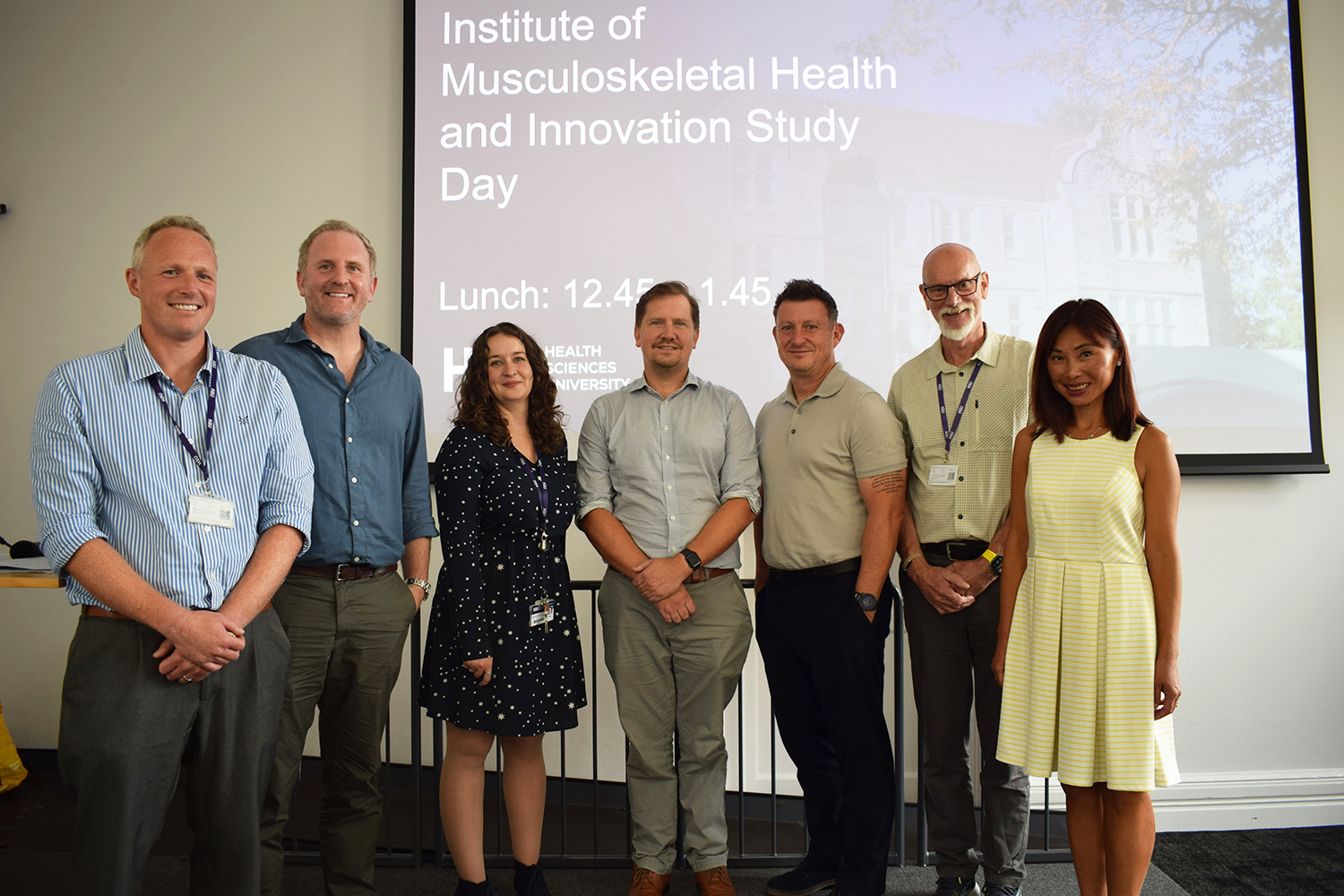
Health Sciences University (HSU) welcomed over 50 healthcare professionals from across the musculoskeletal (MSK) community for the launch of the new Institute of Musculoskeletal Health and Innovation (IMHI), bringing together expert speakers, clinicians, students and educators for a day of continuing professional development centred on clinical reasoning and decision-making.

Health Sciences University has been shortlisted for Specialist Institution of the Year at the THE Awards 2026, recognising the University’s specialist approach to education, clinical care, applied research and workforce impact.