
Overview
This unit aims to help you to manage acute and long-term conditions in acute, urgent and emergency settings, utilising appropriate clinical assessments to respond flexibly to patients’ current and ongoing needs This unit aims to provide you with the knowledge and skills to lead appropriate reassessment, request and interpret diagnostics within your scope of practice and setting, and lead ongoing management of acutely unwell patients. This unit will cover utilising appropriate technology and interventions that is aligned to the specific needs of the person and their context of care, developing personalised management plans, and enabling patients to make informed choices about their care.
Course Details
This content focuses on the assessment, planning, and management of care for individuals with acute and complex health needs. It includes the use of clinical assessments such as early warning scores, the Clinical Frailty Scale, and Comprehensive Geriatric Assessment to support clinical decision-making. Practitioners are required to understand whole-systems anatomy and pathophysiology, recognise the relationship between acute conditions and other health issues, and assess a range of multisystem conditions, including osteoporosis, acute and chronic respiratory diseases, neurological disorders, and incontinence. The role also involves interpreting clinical diagnostic results, implementing appropriate interventions and technologies, setting person-centred goals, and delivering personalised care through effective management plans. Key aspects of practice include risk management, supporting safe discharge processes, promoting self-management following discharge, recognising and responding to deterioration, and escalating concerns appropriately. Effective multidisciplinary working and strong communication skills are essential to ensure coordinated, high-quality care and positive patient outcomes.
This online unit is designed to develop independent learning and support the application of knowledge and skills within clinical practice. Learning activities include online sessions and peer discussions, alongside resources including readings, recorded content, and interactive learning activities. Synchronous online sessions provide opportunities to explore clinical scenarios, share knowledge, and learn from the experiences of peers working across diverse patient groups. Students are also expected to undertake self-directed study, reflection, and critical analysis of their practice. Reflective practice is a key component of the unit, encouraging learners to justify and evaluate their clinical decision-making in a range of healthcare situations.
As a unique Health Sciences University, HSU has developed a wide range of educational opportunities for health and care professionals. Provision at HSU is delivered by experts and clinicians that combine roles in both academia and practice.
What will you learn on the course
- Clinical assessments (e.g., early warning scores, clinical frailty scale, comprehensive geriatric assessment)
- Whole-systems anatomy and pathophysiology, other health conditions and their association with acute conditions
- Assessment of multisystem conditions (e.g., osteoporosis, acute and chronic respiratory conditions, neurological conditions, incontinence)
- Interpretation of clinical diagnostic results
- Interventions and technology
- Goal setting
- Personalised care
- Management plans
- Risk management
- Discharge processes
- Self-management post-discharge
- Recognising deterioration
- Escalating concerns
- Multidisciplinary working
- Communication skills
Entry Requirements
Entry Requirements 
This unit is designed for healthcare professionals working in Acute, Urgent and Emergency Care settings working towards and enhanced level of practice.
Still have questions about applying?
Latest News
Discover and read all the latest news, press releases and happenings here at Health Sciences University.

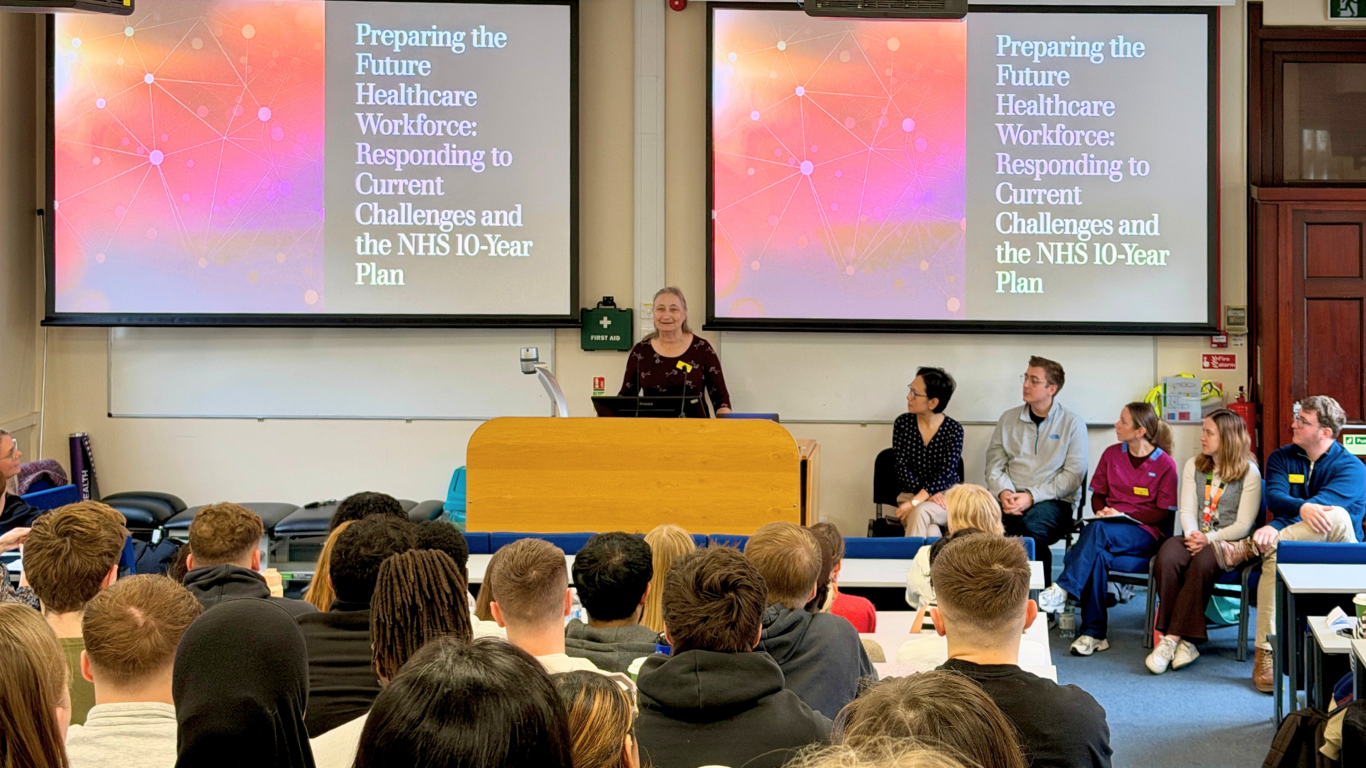
Health Sciences University welcomed healthcare professionals, employers and alumni for its Allied Health Professionals Careers Day, offering final-year students practical advice and insights into professional practice.
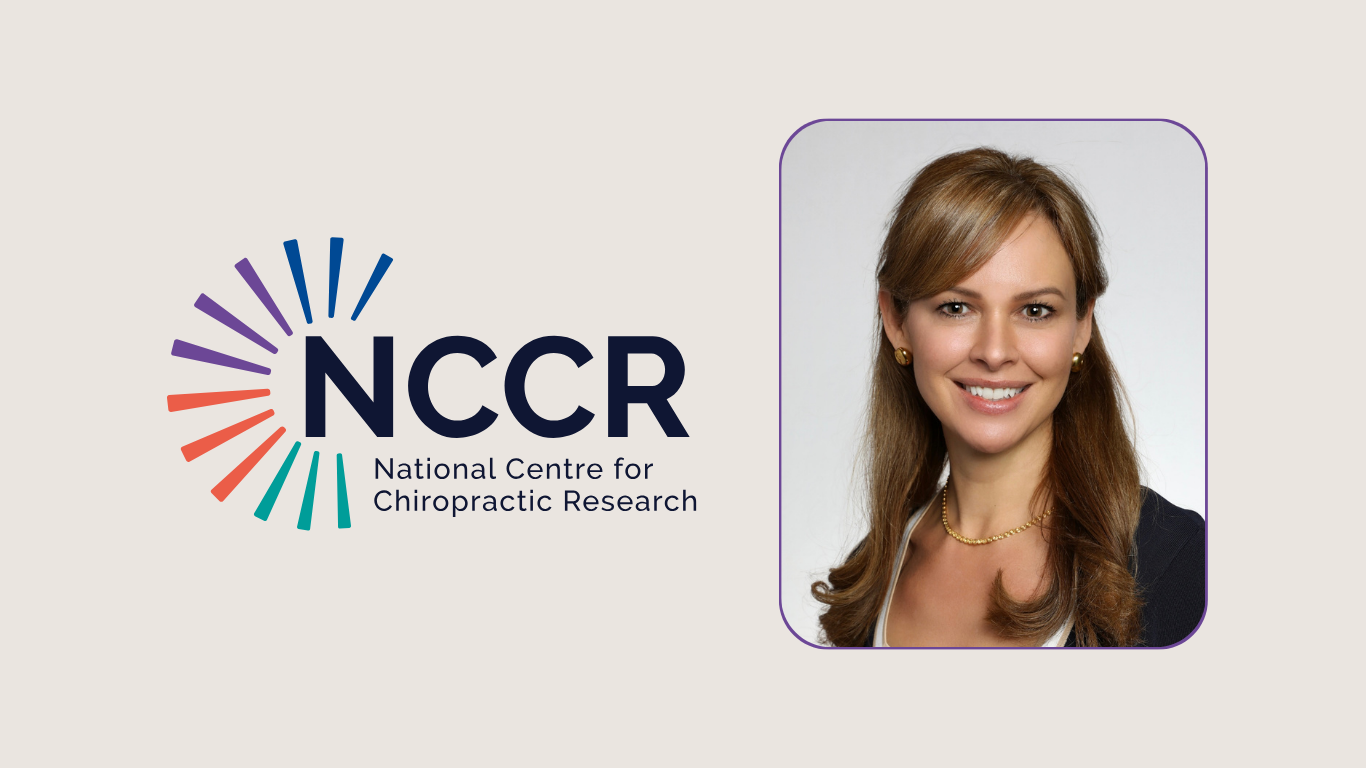
Health Sciences University (HSU) has announced the appointment of Faye Deane as the inaugural Director of the National Centre for Chiropractic Research (NCCR), marking an important step in the Centre's development.
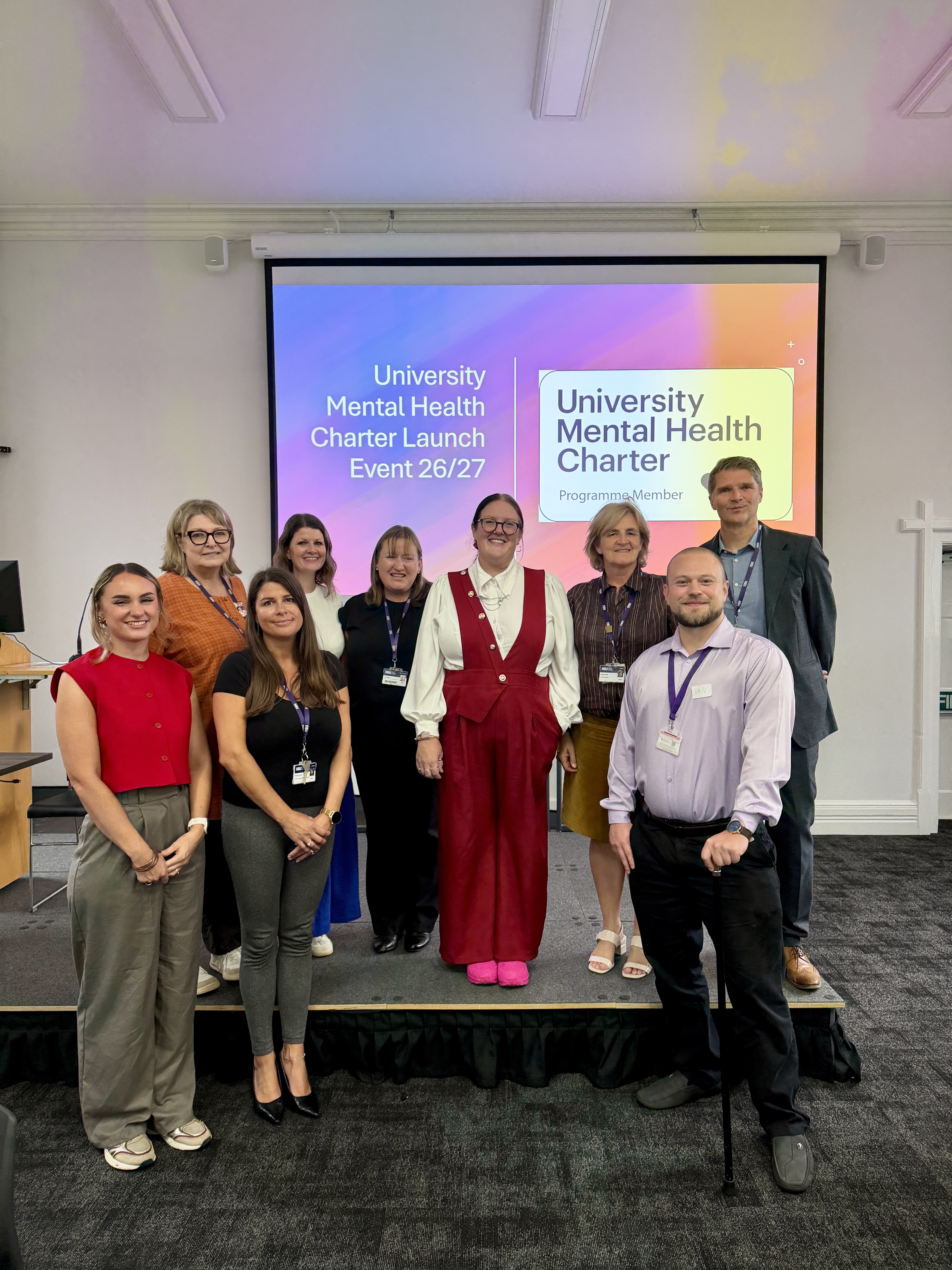
Health Sciences University brought students and staff together across its Bournemouth and London campuses for events supporting the University Mental Health Charter and marking World Mental Health Day.

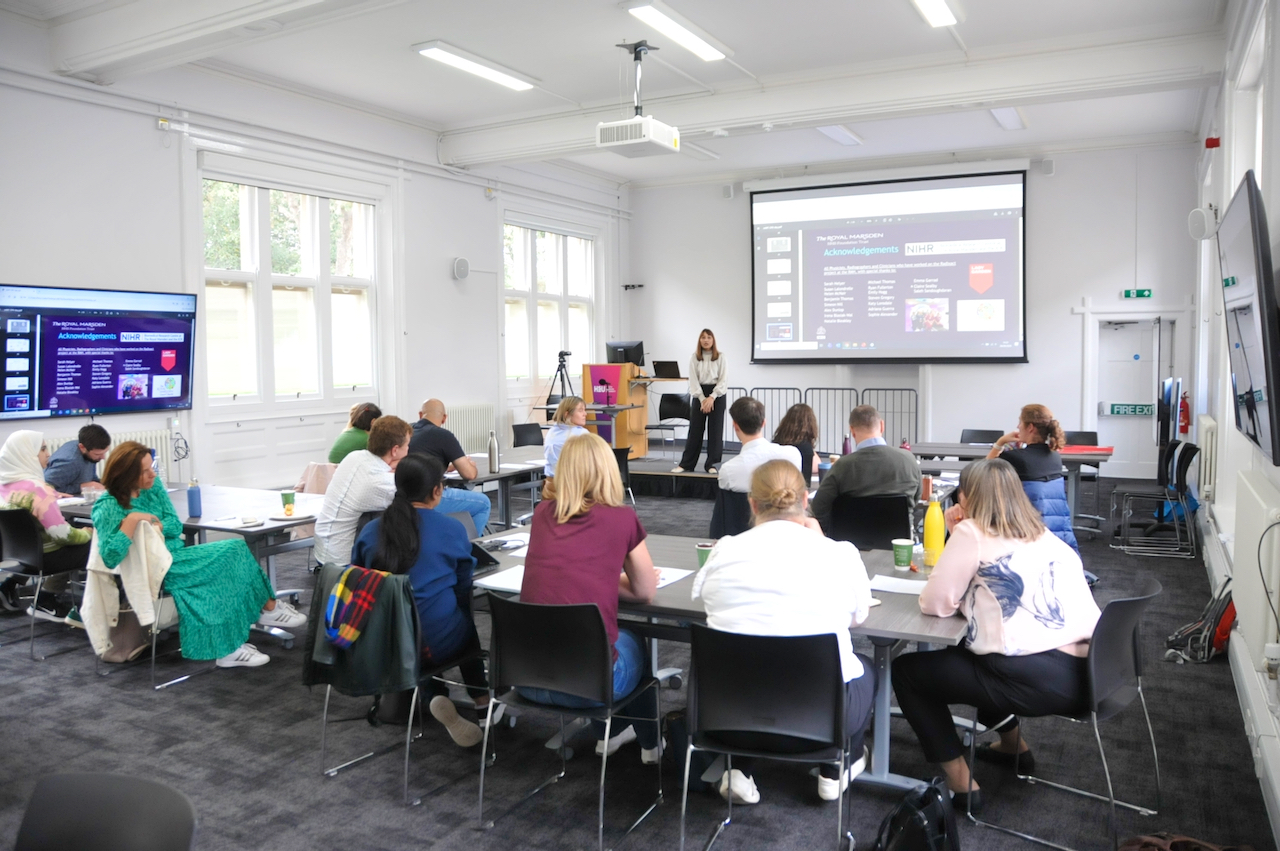
Health Sciences University brought together radiotherapy professionals from across Wessex for a CPD day focused on online adaptive radiotherapy, sharing expertise and supporting its implementation in practice.

Course Fee
Course Fee 2026/27
£925
