What is Acupuncture?
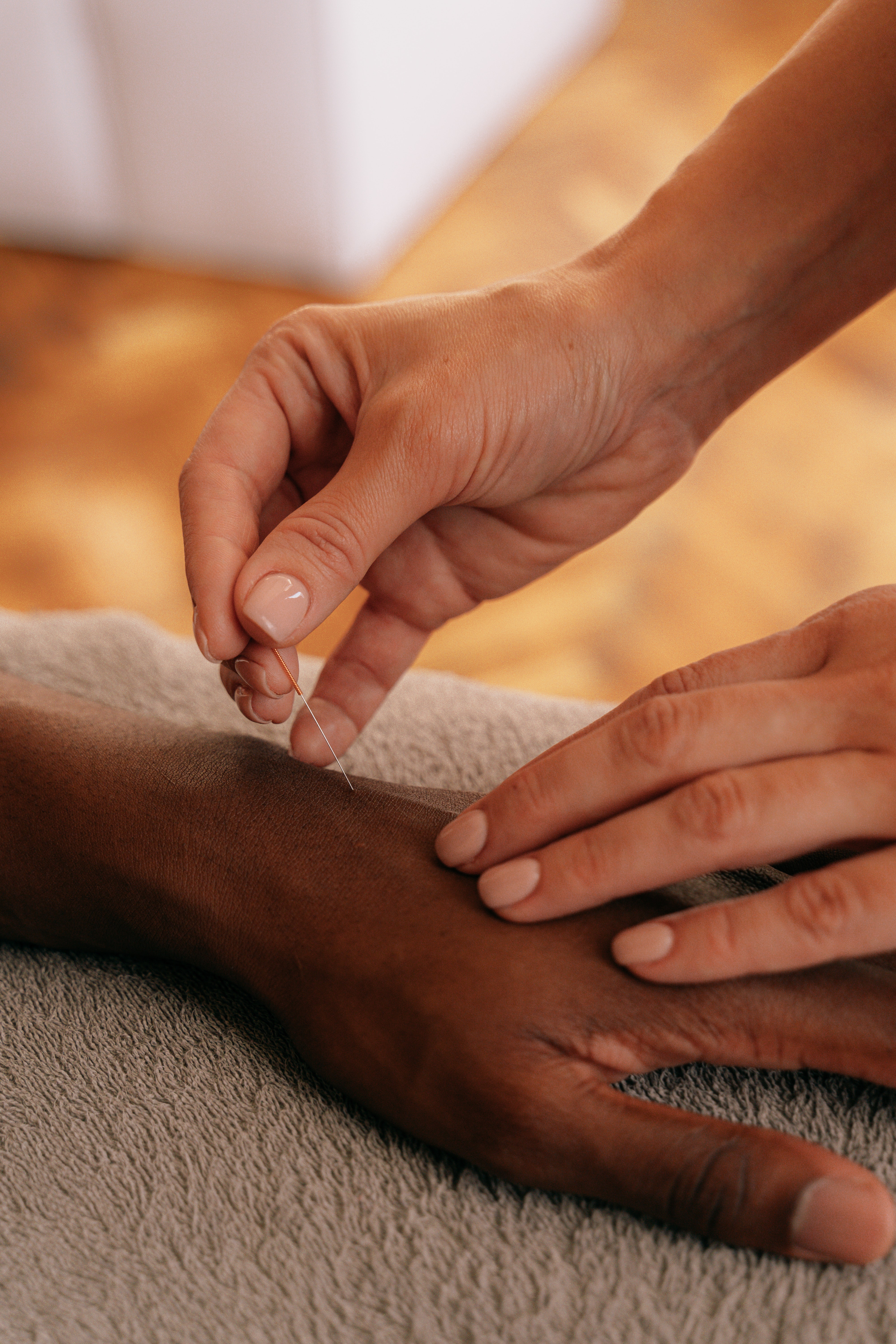
Acupuncture involves inserting very fine needles into specific points on the body. There are different approaches and styles of acupuncture, with practitioners using different techniques depending on their training and clinical approach. Acupuncture is commonly used to support the management of a range of symptoms and health conditions and is widely practised in the UK.
Traditional Acupuncture
Traditional acupuncture is an approach to acupuncture based on traditional Chinese medical theory. Chinese medicine stems from a traditional system of healthcare that originated in China and has been practised and developed over thousands of years and continues to be studied and applied in contemporary healthcare settings. Traditional acupuncture takes a holistic approach, considering the individual as a whole and taking their wider health and wellbeing into account when developing an individual treatment approach. Traditional acupuncturists use this theory to understand a person’s health and select appropriate acupuncture points
Research continues to explore how acupuncture works and its potential benefits for different health conditions and symptoms, including its effects on the nervous system and the body’s natural pain-relieving mechanisms.
NICE guidance recommends acupuncture as a treatment option in some circumstances, including for:
- chronic (long-term) pain
- chronic tension-type headaches
- migraines
Acupuncture is also used by practitioners to support people with a range of other symptoms and health concerns.
CICM Acupuncture: An integrated approach to acupuncture
Acupuncture is practised in many different forms around the world, including Traditional Chinese Medicine (TCM), Five Element acupuncture, Japanese acupuncture, Korean acupuncture and Master Tung acupuncture. At Health Sciences University (HSU) in Reading, our CICM Acupuncture degree combines two of the most established traditions: Five Element Acupuncture and Traditional Chinese Medicine (TCM).
Both approaches take a holistic view of health and wellbeing, recognising the connection between physical, emotional and psychological health. Five Element Acupuncture focuses on understanding an individual’s constitutional balance through the five elements, fire, earth, metal, water and wood, while TCM draws on principles such as Qi, Yin and Yang, using a network of meridians and acupuncture points to assess and support health.
By studying both approaches within an integrated curriculum, you will develop a broad understanding of acupuncture theory, assessment and treatment. This unique combination equips you with a versatile skill set, enabling you to draw on different perspectives and approaches as you develop your clinical practice and work with a diverse range of patients.
This broad foundation allows you to consider different perspectives when working with patients and develop an adaptable approach when working with patients.
Reasons to study acupuncture with us
CICM Acupuncture has more than 30 years of heritage in acupuncture education, with its roots dating back to April 1993, when John and Angela Hicks founded the College of Integrated Chinese Medicine (CICM) in Reading. Having trained in Five Element acupuncture and later in Traditional Chinese Medicine (TCM), they developed an integrated approach that continues to shape the course today.
Our CICM Acupuncture course is accredited by the British Acupuncture Accreditation Board (BAAB) and provides a comprehensive foundation in Chinese medicine theory and clinical practice, alongside Western medical sciences, research and practice management.
- Gain a BSc (Hons) in Acupuncture and develop the knowledge and clinical skills needed for professional practice.
- Gain more than 400 hours of clinical experience through practical, supervised training.
- Learn from experienced practising acupuncturists and develop your clinical skills in a supportive learning environment.
- Prepare to set up your own practice with opportunities to develop your business knowledge and skills.
- Choose flexible study and finance options designed to fit around your existing work and personal commitments.
- Join an established acupuncture community with more than 1,500 graduates since the course began in 1993.
Our student-centred approach and commitment to teaching excellence are at the heart of our course. 98% of our graduates remain in acupuncture practice one year after completing their studies.
Experienced tutors combine clinical expertise with a commitment to teaching, supporting you throughout your studies and helping you develop the skills and confidence needed for professional practice.
Our Acupuncture Courses
BSc (Hons) Acupuncture
Learn MoreCareers in Acupuncture
What is it like to work as an acupuncturist?
A career as an acupuncturist can give you the opportunity to support people with their health and wellbeing while developing long-term relationships with patients. Many people return for regular acupuncture treatments, allowing practitioners to build ongoing relationships with those they support.
Acupuncture is widely practised in the UK, and as an acupuncturist, you can develop areas of interest such musculoskeletal health, stress or insomnia.
Many acupuncturists are self-employed, giving you flexibility to shape your working arrangements around your lifestyle and commitments. You could work full or part time in a group practice, from home or in rented premises.
Alongside acupuncture, you may also choose to offer other Chinese medicine therapies covered in the course, including moxibustion, electro-acupuncture, acupressure and cupping.
What does an acupuncturist do?
As an acupuncturist, your role may include:
- carrying out initial consultations and taking detailed case histories
- assessing patients and developing individual treatment plans
- explaining acupuncture treatment and responding to patients’ questions
- providing one-to-one acupuncture treatments
- assessing patient progress and reviewing treatment plans
- keeping accurate and confidential patient records
- liaising with other healthcare professionals and making referrals where appropriate
- providing general lifestyle advice to support treatment
- organising and promoting your practice, managing finances and carrying out business administration if self-employed.
Where could your career take you?
As you gain experience, you can develop your career in ways that reflect your interests and professional goals. You could:
- develop a specialist area such as fertility, women’s health or sports medicine
- offer additional Chinese medicine therapies alongside acupuncture
- develop your own acupuncture practice
- work in a group practice
- progress into teaching, training or research
- build a regular patient base through ongoing treatment relationships.
Professional Registration
On successful completion of a BAAB-accredited course, such as that taught by CICM Acupuncture, you can become a member of the British Acupuncture Council (BAcC). This allows you to join the BAcC register, a voluntary register which is regulated and approved by the Professional Standards Authority for Health and Social Care (PSA). Registration demonstrates that your practice meets recognised professional standards.
While studying a BAAB-accredited qualification, you can also join the BAcC as a student member. Student membership gives you access to resources and advice to help you prepare for setting up your own practice after graduation.
Join us on an open day
Experience the wide range of benefits of studying acupuncture with us and to take part in a hands-on taster workshop in the art of pulse diagnosis.
FAQs
Does the NHS recognise acupuncture? 
Yes, the NHS does recommend and provide acupuncture on a limited basis, primarily guided by the National Institute for Health and Care Excellence (NICE) for specific conditions like long-term chronic pain, migraines, and tension headaches. Whilst acupuncture is recommended, the availability on the NHS is very limited, and varies greatly by local integrated care boards and regions. Many patients still seek and pay for treatment privately due to local NHS waiting lists or restricted service availability.
Do I need previous healthcare experience?
Previous healthcare experience is not essential to apply for a BAAB-accredited acupuncture course. Knowledge of biological sciences can be helpful, but attitude, personal qualities and life experience are also important.
Experience in areas such as teaching, counselling, advice work, massage or nursing may be useful, as can personal experience of receiving acupuncture treatment.
How long does it take to train as an acupuncturist?
Training to become a fully qualified, independent traditional acupuncturist typically takes 3 to 4 years of professional degree-level study. Programmes lead to a BSc (Hons) and a professional Licentiate Diploma, allowing registration with major bodies like the British Acupuncture Council (BAcC). There are shorter non-accredited courses available in the UK, but we believe a degree-level course is the safest for patients and is required for the highest standard of acupuncture excellence in clinic.
What is the average salary for an acupuncturist in the UK?
Many acupuncturists are self-employed, giving them the flexibility to shape their practice around their experience, interests and lifestyle. Earnings vary depending on factors such as your fees, location, specialism, reputation and practice costs.
Typical fees range from £40 to £90 per acupuncture session, with initial consultations typically costing £50 to £120. Specialist services, such as fertility or cosmetic acupuncture, may command higher fees of around £70 to £175 per session.
As you gain experience and establish your practice, you can build your client base, develop your specialism and review your fees over time.
How easy is it to set up a practice after I graduate?
Setting up a successful acupuncture practice can take time, but there are opportunities for graduates across the UK. Some areas have more acupuncture practitioners than others, so choosing the right location can play an important role in establishing your practice.
Demand for acupuncture continues to grow, with more people seeking acupuncture as part of their approach to health and wellbeing. Graduates who put their skills into practice, market their services effectively and choose a suitable location can build successful acupuncture practices and develop a rewarding career helping patients.
What career progression opportunities are there for acupuncturists?
A career in acupuncture can develop in different directions as you gain experience and build your professional practice. You could develop a specialism such as fertility, cosmetic acupuncture, women’s health or sports medicine, or progress into teaching, training or research.
Our course prepares you for professional practice, with over 400 hours of clinical experience, 60 hours observing experienced acupuncturists in practice and the opportunity to develop a business plan to support you in setting up your own clinic.
Looking for more subjects?
We offer health education undergraduate and postgraduate degrees and professional short courses in the fields of chiropractic, medical imaging and radiology, psychology and sport, exercise and health science. Visit the subject areas that interests you and register your interest on a course.
News
Discover and read all the latest news, press releases and happenings here at Health Sciences University.
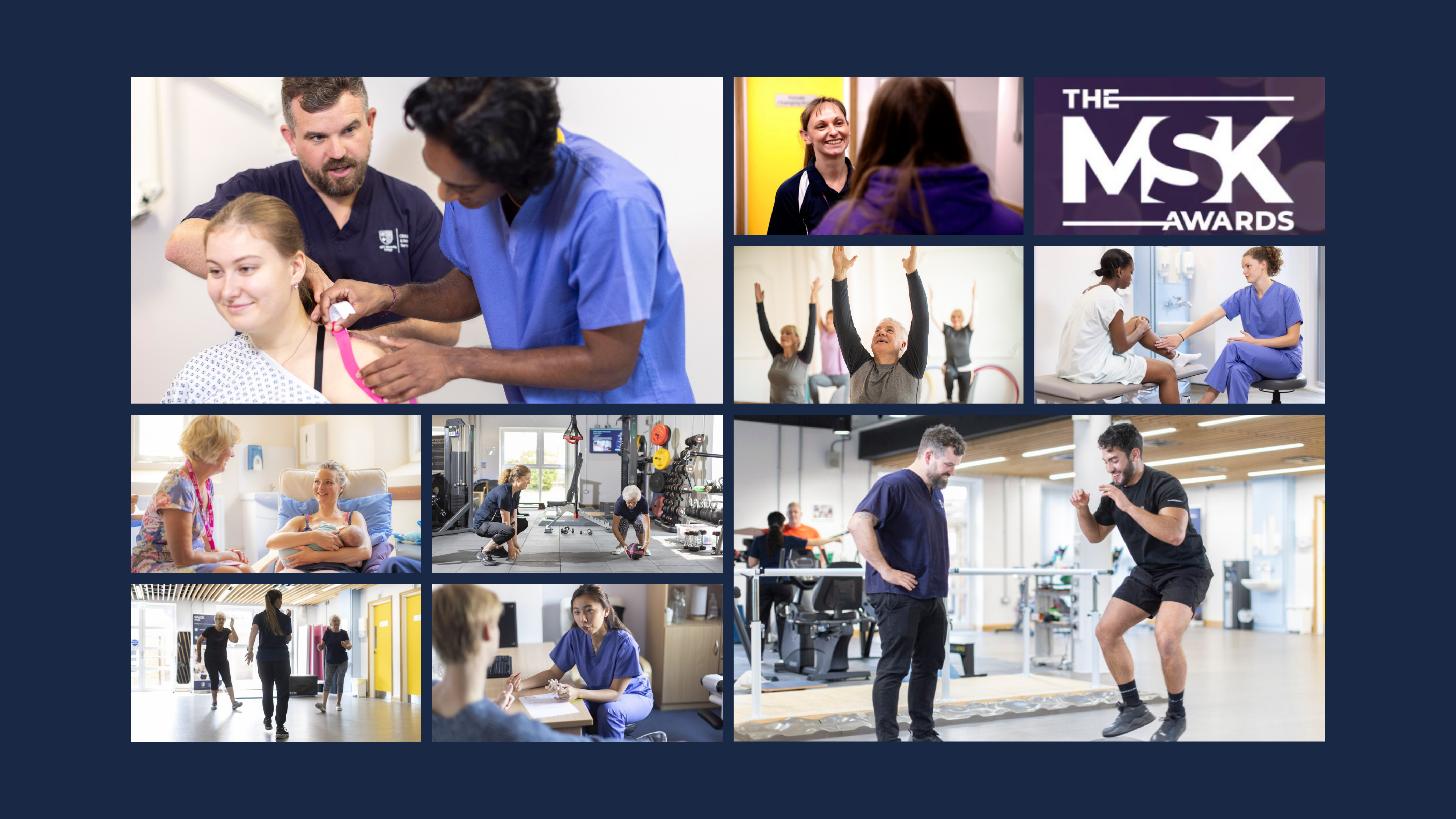
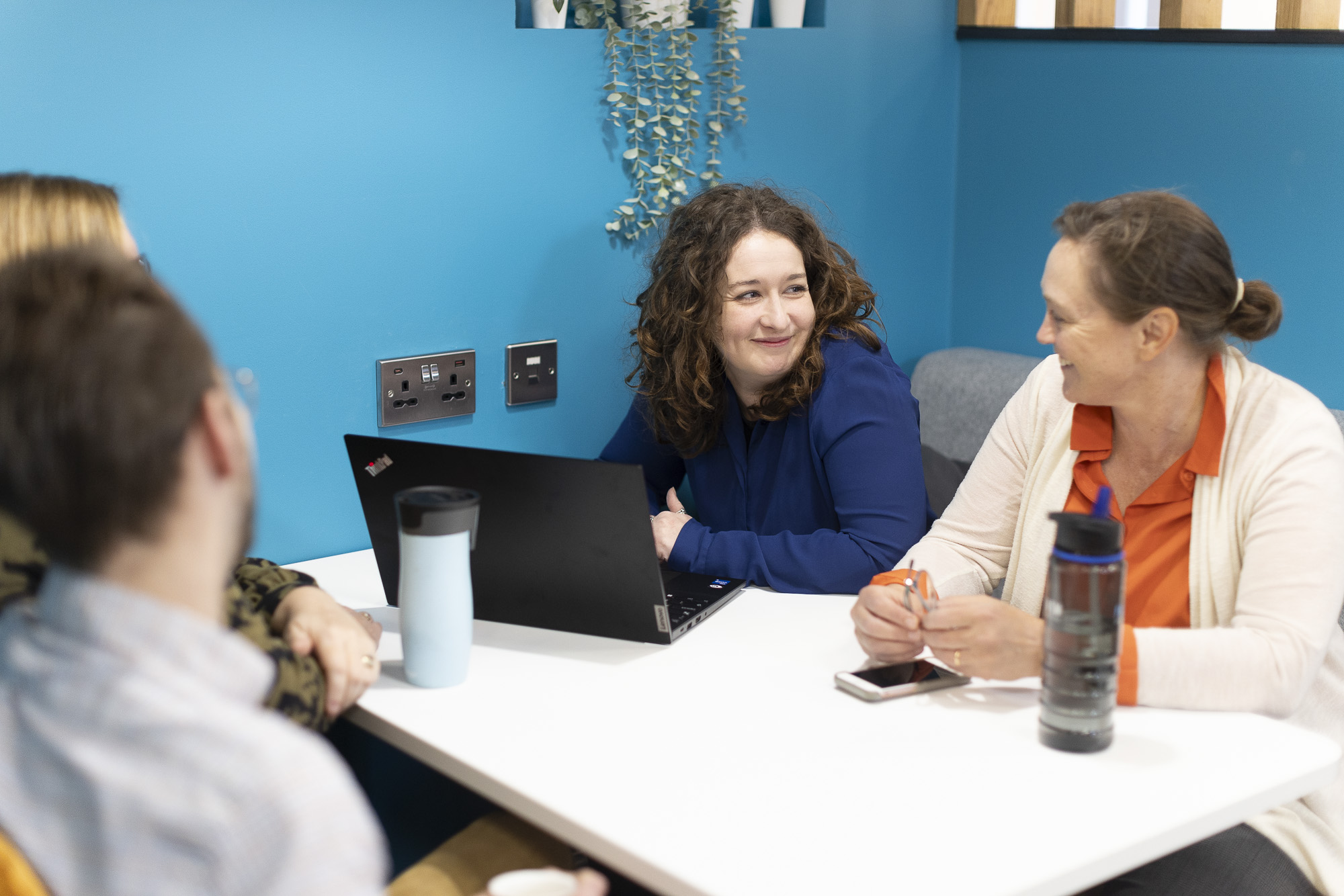
HSU Clinical Services and Glenn Winslade have been named finalists at the 2026 MSK Awards, recognising community impact and clinical expertise.
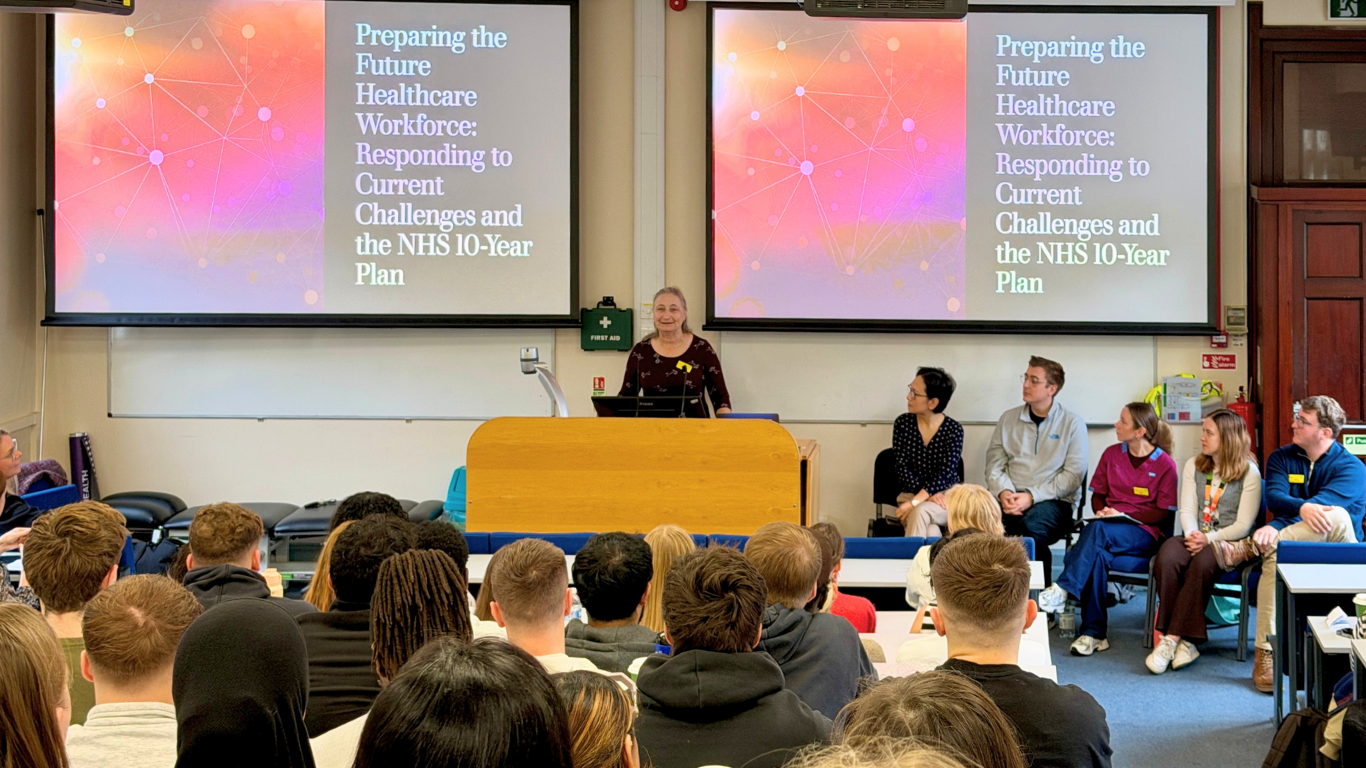
Health Sciences University welcomed healthcare professionals, employers and alumni for its Allied Health Professionals Careers Day, offering final-year students practical advice and insights into professional practice.
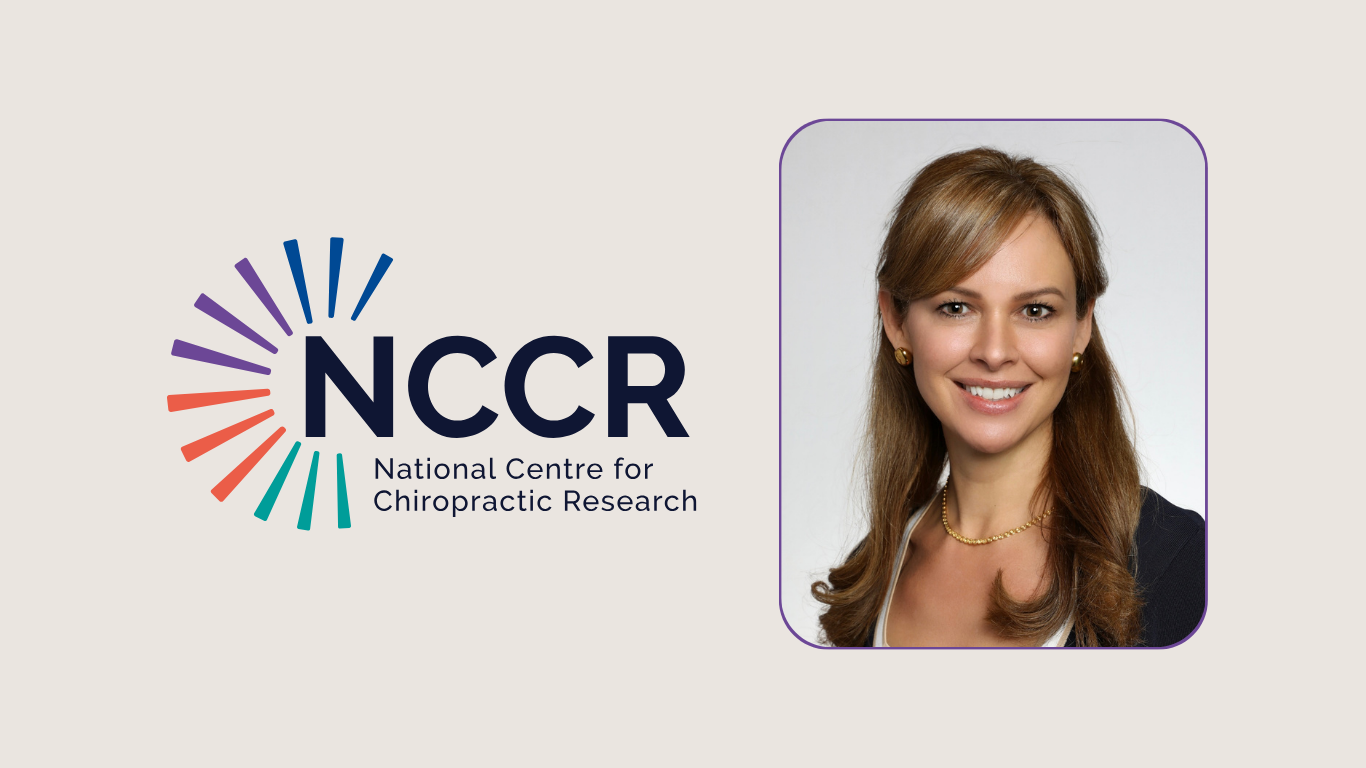
Health Sciences University (HSU) has announced the appointment of Faye Deane as the inaugural Director of the National Centre for Chiropractic Research (NCCR), marking an important step in the Centre's development.
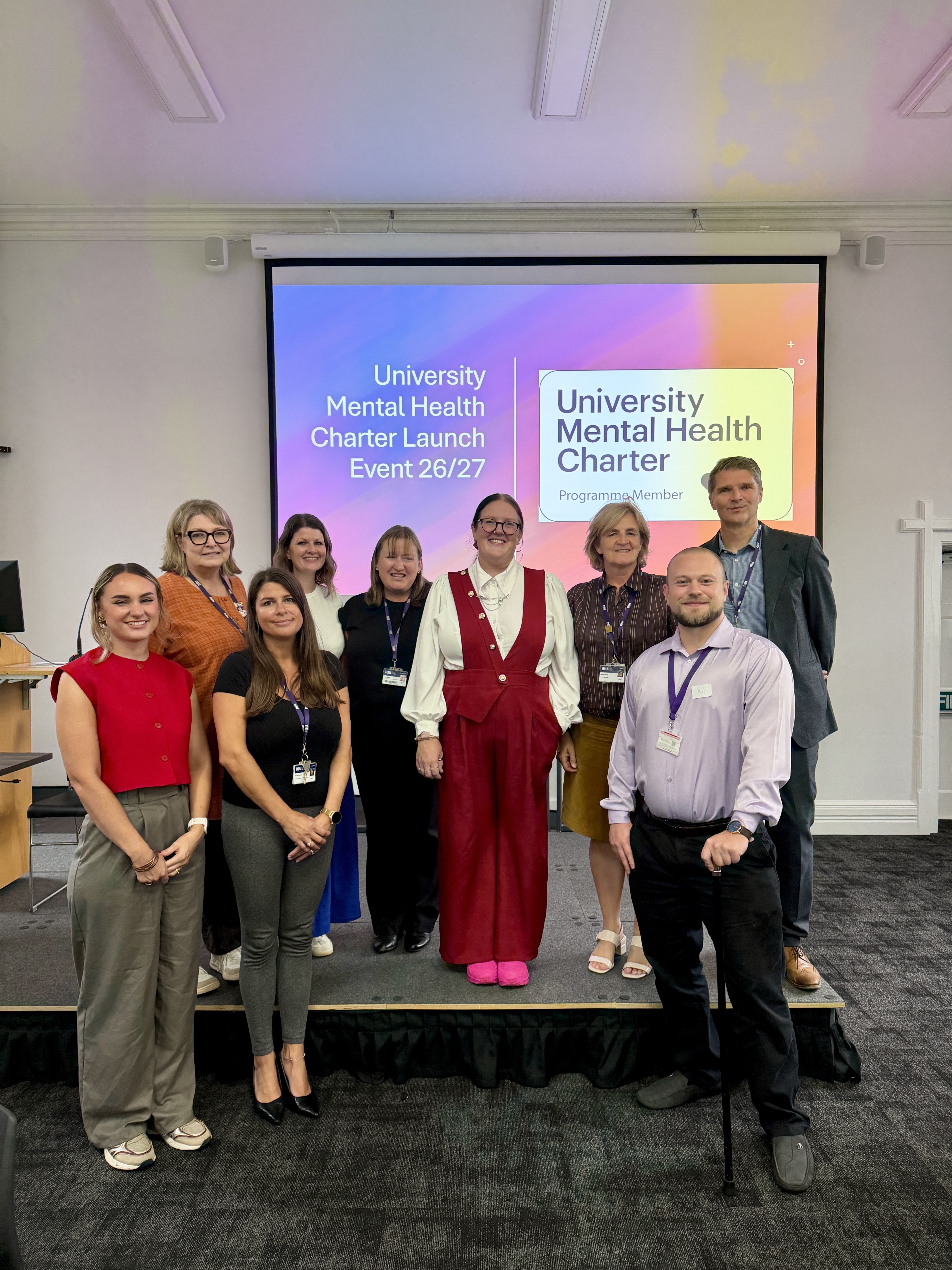
Health Sciences University brought students and staff together across its Bournemouth and London campuses for events supporting the University Mental Health Charter and marking World Mental Health Day.