New Starter - BSc (Hons) Radiography (Radiography and Oncology) | Health Sciences University

BSc (Hons) Radiography (Radiography and Oncology)

Welcome from the Course Lead and Deputy Course Lead

Welcome to the BSc (Hons) Radiography (Radiotherapy and Oncology) course at Health Sciences University.

Congratulations on your place on the BSc (Hons) Radiotherapy and Oncology course, and a very warm welcome to Health Sciences University!

You’re about to start training for one of the most rewarding and technologically advanced roles in healthcare. Therapeutic radiographers are the only professionals qualified to deliver radiotherapy, and roughly one in four people diagnosed with cancer in the UK will be treated by someone doing the job you’re training for. Over the next three years you’ll get to grips with advanced imaging and treatment technology, while working alongside patients at some of the most difficult moments of their lives. Learning to hold both of those things together, the science and the human side, is really what this course is about.

Your course blends time on campus with real clinical experience. On campus, you’ll study oncology, anatomy, radiobiology, treatment planning and verification, and professional practice, with plenty of hands-on time in our simulation facilities. On placement, with our NHS and private sector partners across the south of England, you’ll grow from observing to actively taking part in lifesaving care, building your confidence and your professional identity year by year. From your very first placement, you’re a member of the treatment team; not just a visitor.

We’re a small, close-knit course team, and that’s very much by design. We know our students by name, we know what people tend to find difficult, and we’re here to help you through it. You’ll have a personal support tutor throughout your studies, a dedicated placement team, and academic staff who are all HCPC registered professionals with strong ongoing links to clinical practice.

Everyone arrives with a different background, a different level of confidence, and their own worries and that’s completely normal. All we ask is that you stay curious, ask questions early rather than late, and look out for one another. The cohorts that support each other tend to come out the other side as brilliant practitioners.

Once you’ve successfully completed the course, you’ll be eligible to apply for registration with the Health and Care Professions Council (HCPC) as a therapeutic radiographer, joining a profession where demand for skilled practitioners keeps growing.

We can’t wait to meet you in September!

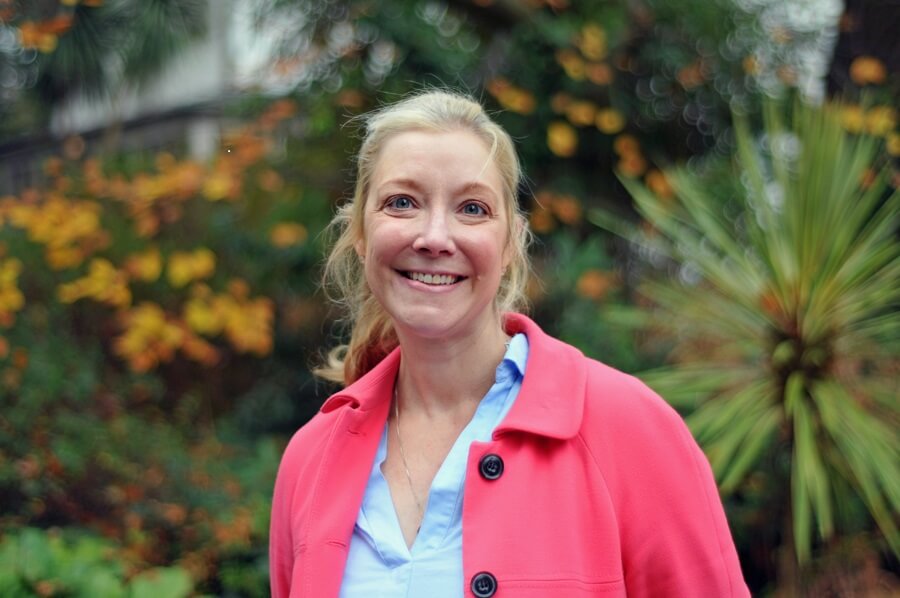
Shelley Blane & Felicity Pickles

Course team, BSc (Hons) Radiotherapy and Oncology, Health Sciences University

Welcome Week, Enrolment and Induction


Welcome Week kicks off on Monday 7th September, and it’s your chance to properly settle in, meet the course team, find your way around, and get to know your new classmates before teaching starts.

During the week, you’ll:

  • meet your course team
  • meet second year Radiotherapy students for some honest sources of advice
  • get your introduction to clinical placement: what to expect, how placements are allocated, and what we’ll be asking of you
  • learn your way around Moodle, your timetable, the library and Student Services
  • get a head start on academic writing and study skills at degree level
  • complete your mandatory E6 training, which needs to be finished during this week
  • join in with social activities run by the course and the Students’ Union

You will receive an email with instructions on how to complete your initial registration ahead of induction and enrolment. Please follow the instructions in the email and complete your registration as soon as possible.

View your Welcome Week timetable here.

  • Welcome Week timetables are provisional and subject to change

Welcome week runs the week of Monday 7th September and you will be sent a full timetable of events.

Teaching begins on Tuesday 15th September, and our teaching days are Tuesday, Wednesday and Thursday.

The year plan for 26/27 sets out all the key dates; simulation weeks, clinical placement blocks, mandatory training, assessments and holidays. You’ll find this on Moodle once you’re enrolled.

Clinical placement is a big part of this course, and placement dates are fixed, so it’s worth noting them early when you’re planning anything else. Your first block will start in January after the Christmas break.

View your Welcome Week timetable here.

  • Welcome Week timetables are provisional and subject to change

Pre-reading and preparation for each unit will be on Moodle, along with your essential reading list so no need to buy any textbooks before the course starts. Your teaching team will point you towards the ones worth pursuing once you’re here.

You’ve worked hard to get this far, and arriving with an interested and open mind matters more than arriving over-prepared. That said, if you’d like to do something useful over the summer, a few suggestions:

  • Get familiar with the radiotherapy patient pathway: Cancer Research UK and Macmillan have clear, freely available explanations of what radiotherapy involves from the patient’s point of view.
  • Have a browse of the Society and College of Radiographers website and its student pages, for a good introduction to the profession you’re joining. As we are an CoR approved course you will be eligible to join the SoR as a student member for access to more resources.
  • RadChat offers a range of radiotherapy podcasts which are great to get you started on a before bed deep dive into the world of therapeutic radiography, available HERE.
  • Give your basic science a gentle refresh: a working knowledge of GCSE/A-level anatomy, physics and cell biology will make your anatomy and physics units more comfortable. However, we start at a basic level for all so don’t worry if it has been a while!
  • Have a think about why you’re doing this. In your first few weeks, you’ll be asked to reflect on the values you bring to practice and where you’d like to be in three years’ time so having given it some thought in advance never hurts.

In addition to your tuition fees, there are some additional costs you may wish to budget for during your studies. These will vary depending on your personal circumstances, lifestyle and study choices. The costs below are correct at the time of publication and may be subject to change.

Accommodation and Living Costs

If you are moving away from home, you will need to arrange and pay for your own accommodation and day-to-day living expenses. Limited student accommodation is available for students studying at our Bournemouth campus, subject to availability. Our Student Services team can provide advice and guidance on finding suitable accommodation.

Enhanced DBS Check and Occupational Health

As this is a healthcare course, you will be required to complete an Enhanced DBS check before starting your studies. The current cost is approximately £58. You will also need to subscribe to the DBS Update Service, currently £16 per year plus a £5 administration fee, for the duration of your course.

You will also be required to complete a pre-enrolment Occupational Health screening, currently costing approximately £28.50. Additional costs may apply for required vaccinations, second opinions or missed appointments without a valid reason. Students may also need to obtain police checks, with costs varying depending on individual circumstances.

Vaccinations

To undertake clinical placements, you must meet NHS occupational health requirements. This includes evidence of immunisation against diseases such as Meningitis, Measles, Mumps, Rubella, Chickenpox and Tuberculosis. Additional vaccinations, including Hepatitis B, may also be required.

Travel and Placements

You are responsible for the cost of travelling to and from the University throughout your studies. In addition, you should budget for travel to clinical placements and, where necessary, accommodation costs while on placement. These costs will vary depending on the location and duration of your placements.

Placement Uniforms

Students attending clinical placements are advised to purchase a minimum of two uniforms. Uniforms do not need to be purchased before starting the course and currently cost approximately £25 per set.

Books and Study Resources

Teaching materials are provided electronically through the University’s Virtual Learning Environment (VLE). Core textbooks are available in the library, although many students choose to purchase their own copies. If you wish to print learning materials or assignments, you will be responsible for these costs.

We also recommend that you have access to your own laptop or tablet to support your studies.

Student ID Card

Your first HSU Student ID card is provided free of charge when you enrol. Replacement cards currently cost £10.

Optional Costs

Depending on your interests and preferences, you may also wish to budget for:

  • Gym membership (Bournemouth campus only) – currently £75 per year
  • Locker hire – currently £10
  • Student social events and activities organised throughout the academic year

Information for your First Day


Where to go on your first day

Please head to the main reception of the Main Building at our Bournemouth Campus, accessible on foot directly from Parkwood Road. Please note that there is no onsite parking for students at the Bournemouth Campus.

What time to arrive

Monday 7 September – Welcome to HSU
11:00 – 11:30 | Arrival & Registration

View your Welcome Week timetable here.

  • Welcome Week timetables are provisional and subject to change
What to bring

A laptop or tablet, a notebook and a pen and your ID documents if you’ve been asked to bring them for registration.

Beyond that, just bring an open mind and a willingness to chat to people you don’t know yet. Starting somewhere new can be daunting for everyone, we’ve designed Welcome Week with that in mind.

Dress Code

There’s no general dress code for day-to-day teaching,  comfortable, practical clothing and footwear is fine.

Practical and simulation sessions call for suitable attire, and clinical placement means wearing your HSU placement uniform. When you officially start we will arrange uniform fittings, but you will need comfortable, fully enclosed, black footwear (trainers are fine).

For practical and clinical sessions, nails must be short and free of polish or extensions, and long hair tied back off the collar. We’ll cover jewellery, footwear and professional appearance in more detail during induction.

Who to contact if you're delayed

If you are delayed for any course run activities please contact Shelley (shelley.blane@hsu.ac.uk) and Felicity (felicity.pickles@hsu.ac.uk). We will ask you to do this for lectures so good to get into the habit early on.

Timetable

Teaching is scheduled for Tuesday, Wednesday and Thursdays, however there may be other work and activities that are scheduled on Mondays and Fridays (e.g. mandatory training). Placement requires working a 37.5 hour week and may include unsocial hours; this is mandatory.

Meet your Teaching Team


shelley blane

Course Leader

Shelley Blane

BSc, MSc - Senior Lecturer (Radiotherapy)

Shelley is the Course Lead for both BSc Radiography courses. She has a BSC (Hons) in Therapeutic Radiography and an MSc in Radiation Physics. She is a HCPC registered Therapeutic Radiographer and Clinical Scientist with over 27 years’ experience in Radiotherapy.

Full bio

Any Other Information


Read our course page HERE.

A little more information is also available on our why R&O at HSU page HERE.

Your placement journey

Clinical placement is at the heart of this course and starts in your very first year. You’ll be supported throughout by a named practice educator in your placement department, alongside the HSU placement team.

We want you to arrive on placement as a whole person, not just a student number. Before your first placement, you’ll put together a short introduction so your clinical team knows who you are, what you’re hoping to get from placement, and how best to support you — part of our #MoreThanTheStudent approach to placement learning.

Questions before you arrive?

Shelley.blane@hsu.ac.uk or felicity.pickles@hsu.ac.uk

AECC Logo White
© 2026 Health Sciences University | Company limited by guarantee | Registered in England No: 00653859 | VAT No: 896 1199 74 | Exempt Charity -