
Overview
Our Podiatry degree combines expert teaching with practical, hands-on experience to prepare you for a rewarding career as a podiatrist. You’ll develop the knowledge, clinical skills and confidence to assess, diagnose and treat a wide range of conditions affecting the feet and legs, while learning to provide safe, effective and person-centred care.
As a specialist health sciences university with more than 50 years’ experience delivering health sciences degrees, HSU offers a supportive, multidisciplinary learning environment. You’ll learn alongside students, academics, researchers and practising healthcare professionals from across the health sciences, giving you the opportunity to understand how different healthcare professionals work together to support patients and deliver effective care.
Podiatry is a specialist healthcare profession, and our degree is offered by only a small number of universities in the UK. On successful completion of the course, you’ll be eligible to apply for registration as a podiatrist, subject to course approval by the Health and Care Professions Council (HCPC) and the Royal College of Podiatrists. This can open the door to careers across the NHS, private practice and specialist areas of podiatry.
Please note: Subject to HCPC approval and Royal College of Podiatry accreditation.
Course details
You’ll build a strong understanding of the foot and lower limb, exploring areas such as biomechanics, movement, injury, and how different illnesses and health conditions can affect foot health.
Through clinical skills classes, problem-based learning and seminars, you’ll develop the skills to assess, diagnose and treat a range of podiatric conditions. You’ll also strengthen your clinical reasoning, communication and collaboration skills, learning how to make informed decisions and provide care that is tailored to each person.
You’ll learn from experienced academic and clinical staff with expertise in musculoskeletal care and health sciences education. This will help you connect your academic learning with the realities of clinical practice and develop the skills you’ll need for a career in podiatry.
A wide range of assessments are used throughout the course including presentations, posters, AI enhanced work, publications, written assignments, clinical and practical examinations.
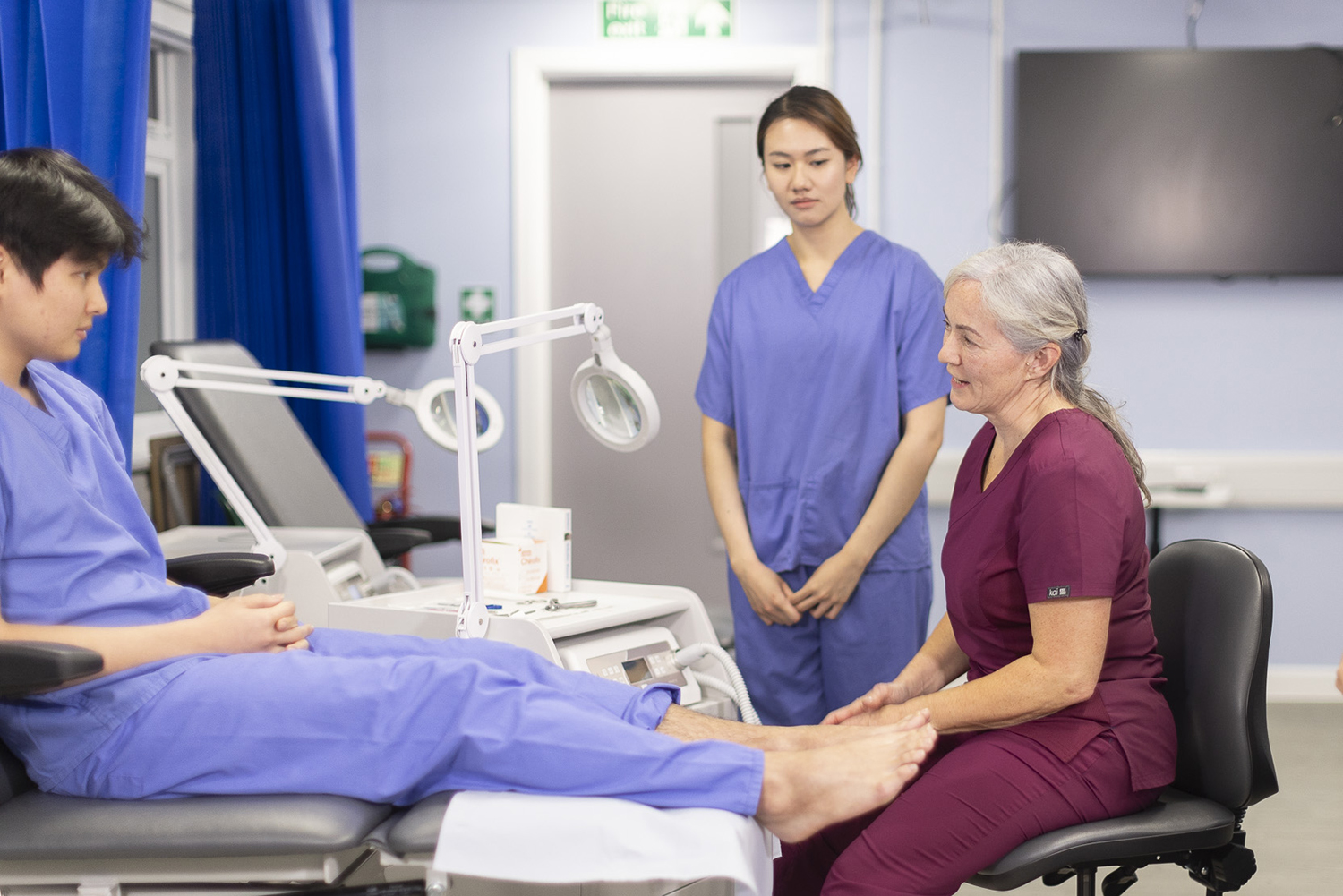
Practical experience is at the heart of our Podiatry degree. You’ll gain more than 1,000 hours of clinical experience through our on-site multidisciplinary clinical facilities and local placement providers, giving you extensive opportunities to put your learning into practice.
You’ll work with patients and develop your clinical skills in real-world settings, building your confidence and preparing you for professional practice. Your clinical experience will also give you an insight into the different settings in which podiatrists work, from hospitals and community clinics to patients’ homes and private practice.
As part of a multidisciplinary health sciences environment, you’ll have opportunities to understand how podiatrists work with other healthcare professionals, including doctors, nurses, physiotherapists and dietitians. This experience will help prepare you to become a confident and collaborative member of the wider healthcare team.
Unit breakdown
Please note: The following units are provided for indicative purposes only and may be subject to change pending approval.
Year 1
Foundations of Professional Practice 
This unit aims to develop your professional behaviours associated within your chosen profession, exploring professional identity, communication skills, ethical practice, and relevant legislation to ensure safe practice.
Health and Wellbeing - the role of Allied Health
In the unit we will support your role in preventing ill health and supporting improvements in the health of those they interact with enabling you to apply these skills directly to practice.
Preparation for Podiatry clinical Practice
On successful completion of this unit, you will have started to develop your professional identity and begun working safely as a future foot health practitioner. The safe development of psychomotor, assessment, diagnosis and management skills will be undertaken in a clinical environment.
Functional Anatomy of the Lower Limb
This unit will introduce human anatomy with reference to the foot and lower limb in support of the further study of podiatry, podiatric biomechanics, pharmacology, pathology and surgery.
The Determinants of Health
This unit aims to explore the multitude of factors that significantly influence the state of an individual’s health and wellbeing, and the complex interactions between them.
Integrated Clinical Sciences for Podiatry
This unit explores physiological underpinning and homeostasis of body systems that are most pertinent to podiatric practice. We will explore physiological processes relating to key chronic conditions commonly encountered in practice.
Year 2
Research, Improvement and Innovation
You will learn skills in research, audit, and quality improvement methodologies, including a broad understanding of change theory and management, and the philosophical underpinnings of these approaches.
Podiatric Pathology and Medicine
With this unit you will be able to critically interpret pathophysiological processes relating to key conditions affecting the lower limb. You will be able to incorporate this knowledge into subsequent management strategies and communicate your findings appropriately and effectively with both patients and a wider multi-disciplinary team.
Prescription Only Medicines for Podiatric practice
Using this unit, you will be able to assess and interpret a range of pharmacological agents relevant to podiatric practice including local anesthesia, topical pharmacology and analgesic and anti-microbial medicines.
Musculoskeletal Complaints of the Lower Limb
We will develop a comprehensive approach to the assessment and management of musculoskeletal conditions affecting the foot and lower limb. Building on your previous studies in anatomy, physiology, pathology and clinical sciences.
Developing clinical practice
You will have the opportunity to assess and manage a wide variety of people with podiatric conditions in the University’s Podiatry Clinic and external practice placement.
Graduate Entry into employment
You will continue with your clinical work throughout the final year, comprising of rotational placements in a variety of interesting clinics.
Year 3
Leadership and Learning in Allied Health
We will introduce you to leadership and educational theories and framework, concepts of learning and teaching strategies, learning needs analysis, and supervision and assessment strategies for your future professional practice.
Independent Project for Allied Health Professionals
This unit focuses on the development of a research or service improvement project which is relevant to your workplace or profession.
Chronic and Complex Management of Long-Term Conditions
This unit seeks to develop a comprehensive, evidence-based approach to the management of chronic and complex disorders which are managed by podiatrists. These disorders typically manifest in the foot and ankle region but may have underlying medical causes.
Musculoskeletal Rehabilitation Principles and Practice
This unit will integrate material from multiple sources to encompass a holistic approach to patient management including existing musculoskeletal rehabilitation interventions and their applications in podiatric practice.
Negotiated Personalised Study Package
Students co-design their own unit syllabus with an academic advisor.
Entry requirements
Essential requirements
Typically 96 -120 UCAS tariff points achieved through A levels or equivalent Level 3 qualifications to include Biology/Human Biology/Mathematics/Chemistry or Physics.
Accepted qualifications include A levels, BTEC National Diplomas and Extended Diplomas, T Levels in relevant subject areas, Access to Higher Education Diplomas in science or health related disciplines, International Baccalaureates, Scottish Highers and Advanced Highers, Irish Leaving Certificates and other national and internationally recognised Level 3 qualifications. Other qualifications may be accepted. If your qualification is not listed here please contact the Admissions team.
Applicants are also usually expected to hold 5 GCSEs at grade 4 or above (C) including English and Maths or equivalent.
Applicants who don’t meet the above criteria are still encouraged to apply. The university provides a number of possible entry routes to support access to students who otherwise demonstrate good potential.
International students
IELTS (academic) score of 7.0 or above with no less than 6.5 in each section.
Why study Podiatry at HSU?
- Learn from experienced academic and clinical staff with expertise in musculoskeletal care and health sciences education.
- Gain more than 1,000 hours of clinical experience through our on-site multidisciplinary clinical facilities and local placement providers.
- Study a specialist podiatry degree offered by only a small number of universities in the UK.
- Join a specialist health sciences university with more than 50 years’ experience delivering health sciences degrees.
- Learn within a multidisciplinary community, working alongside students, academics, researchers and practising healthcare professionals from across the health sciences.
Career Opportunities in Podiatry
On successful completion of your degree, you will be eligible to apply for registration with the Health and Care Professions Council (HCPC) as a podiatrist.
A career in podiatry offers a range of opportunities across the NHS and private practice. You could work as part of a multidisciplinary healthcare team, develop your own clinical practice or build your career in a specialist area of podiatry.
- Work across a range of NHS settings, including hospitals, community clinics and patients’ homes, as part of a wider healthcare team alongside doctors, nurses, physiotherapists and dietitians.
- Build a career in private practice, working as a salaried or self-employed podiatrist, or developing and running your own practice.
- Develop your professional interests, gaining experience and building your career in areas of podiatry that interest you.
Still have questions about applying?

Course Leader
Dr Simon Otter
Associate Professor in Podiatry
Simon Otter is an Associate Professor in Podiatry with over 20 years in the profession, with a keen interest in rheumatology with experience of musculoskeletal foot complaints.
Full bio
Lecturer in Podiatry

Lecturer in Podiatry

Lecturer in Podiatry

Register your interest
Register your interest form
Course fees
Tuition Fees 2027/28
UK/ROI/Channel Islands
Tuition fees for 2027/28 will be published shortly
Additional Funding
Students studying for a recognised Allied Health Profession qualification may be entitled to apply for additional funding from the NHS Learning Support Fund.
This fund provides supplementary financial support to the mainstream student loans system, and is intended to support students whilst they train and gain professional registration. This funding is not means-tested and is a grant rather than a loan, so the majority of students will not need to pay it back when they start work in the future.
Looking for accommodation in Bournemouth?
If you’re joining a programme and looking for accommodation, we’ve got you covered with a range of options to suit your needs.

Why choose Health Sciences University
There are many benefits to studying at Health Sciences University, from our expertise and history in teaching health sciences, to our state-of-the-art facilities, on-site clinical training, and of course our location on the beautiful Bournemouth coast.
Latest News
Discover and read all the latest news, press releases and happenings here at Health Sciences University.

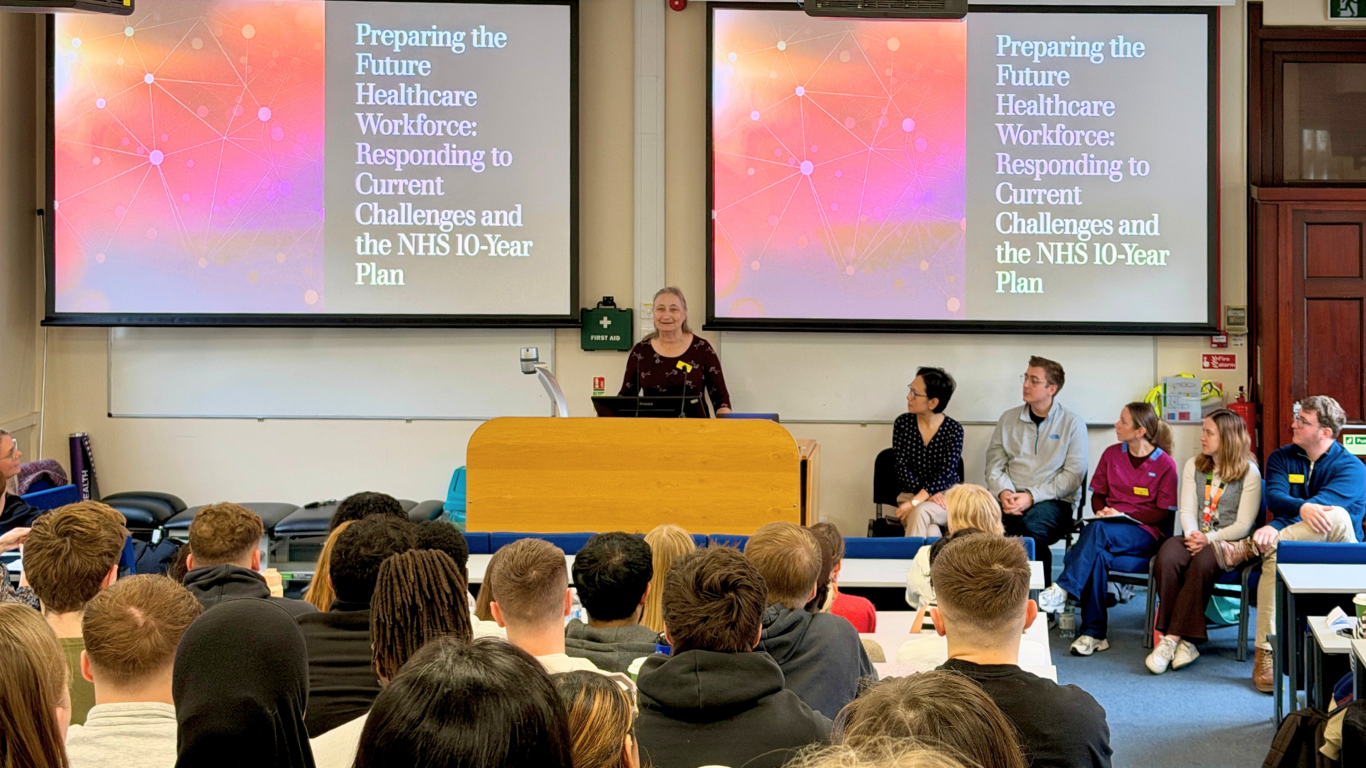
Health Sciences University welcomed healthcare professionals, employers and alumni for its Allied Health Professionals Careers Day, offering final-year students practical advice and insights into professional practice.

Health Sciences University (HSU) has announced the appointment of Faye Deane as the inaugural Director of the National Centre for Chiropractic Research (NCCR), marking an important step in the Centre's development.

Health Sciences University brought students and staff together across its Bournemouth and London campuses for events supporting the University Mental Health Charter and marking World Mental Health Day.

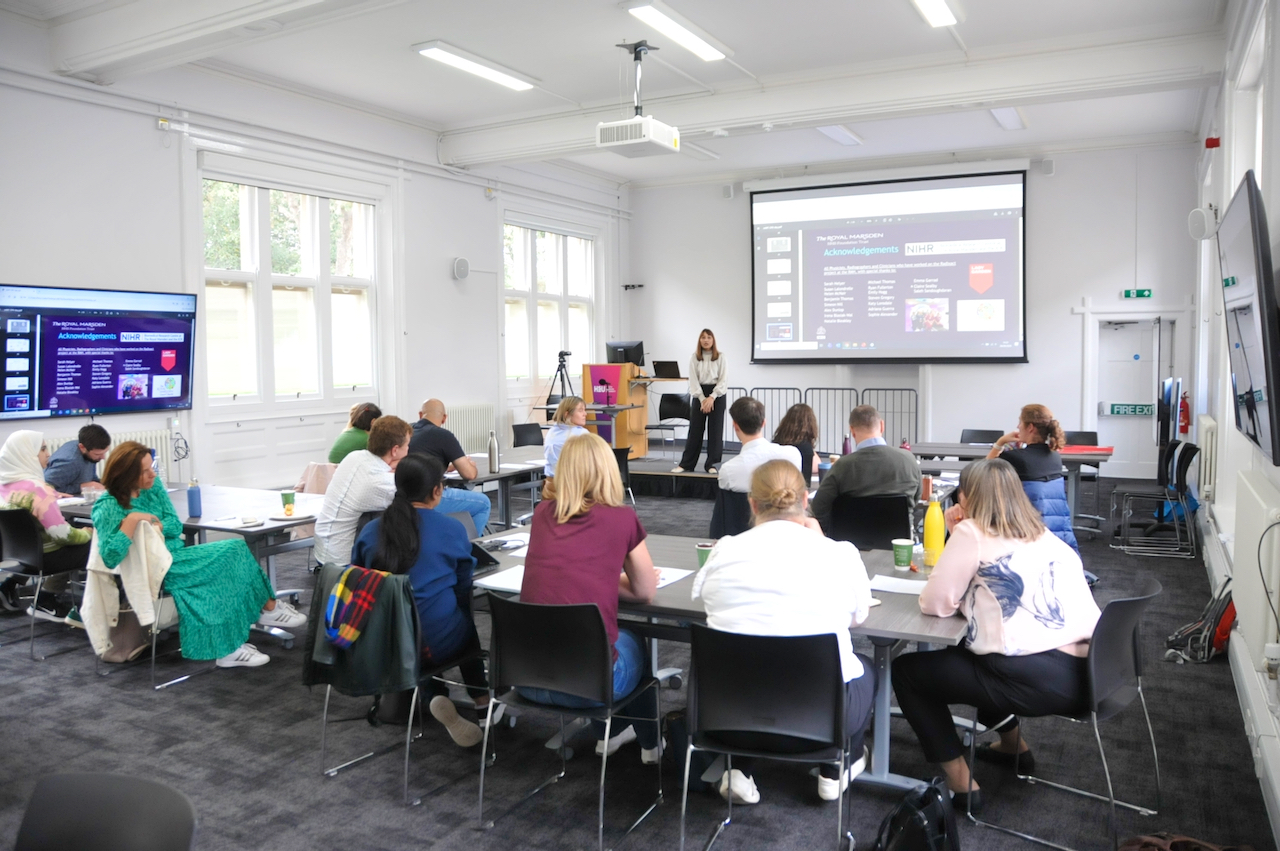
Health Sciences University brought together radiotherapy professionals from across Wessex for a CPD day focused on online adaptive radiotherapy, sharing expertise and supporting its implementation in practice.

Find us
Health Sciences University
Bournemouth Campus
Parkwood Road
Bournemouth
BH5 2DF
Health Sciences University
London Campus
275 Borough High Street,
London
SE1 1JE
Health Sciences University
Reading Campus
19 Castle Street
Reading
RG1 7SB