
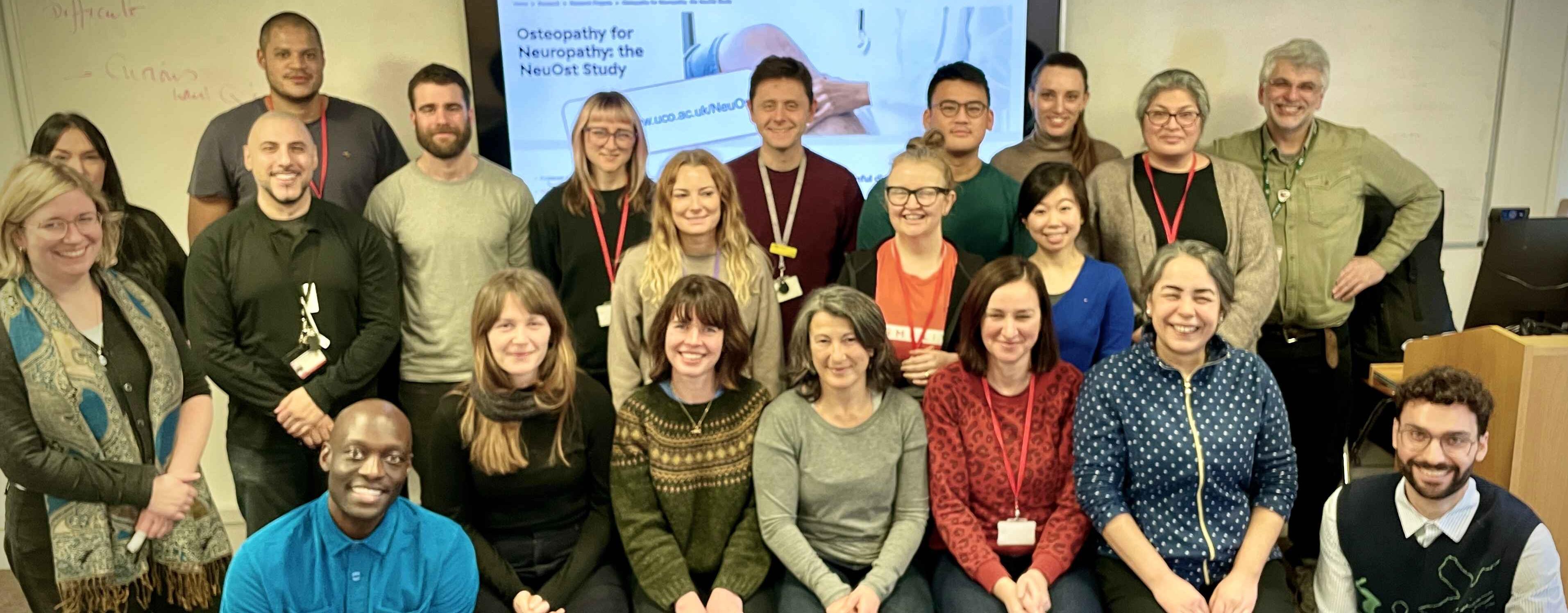
We are pleased to announce that we have successfully completed our feasibility study in January 2025. You can read more about this below. We are now working to make the treatment approach accessible to more people in the NHS.
While we are not accepting research participants at this time, please do contact us if you would like to get involved in future opportunities.
About the project
Our research team pioneer new forms of drug-free research and contribute to the body of knowledge about conservative care.
People with diabetes and associated nerve damage (diabetic peripheral neuropathy) lack good treatment options. Pain associated with this condition can be severely debilitating and lead to sleep problems and other limitations. Unfortunately, available drug treatments for neuropathic pain are not very effective or come with side effects. We are exploring a new drug-free approach built on manual therapy, exercises, education, and pain management strategies: Welcome to the NeuOst project!
Osteopaths mainly treat people with pain, often back pain or injuries. Apart from being experts in pain management, they also provide exercise programmes and lifestyle advice. We are exploring if osteopaths and other Allied Health Professionals can successfully care for people with diabetic neuropathy.
In a first project stage, we have spoken to people with diabetes and neuropathy as well as therapists with experience in their treatment. We did so because the potential end-users are at the heart of our work; and we learned a lot about what might be useful for patients and what might be difficult. We have also teamed up with expert clinicians in diabetes management, exercise, and psychological pain management to design the new treatment programme. An international, high-profile collaboration with experts from King’s College London, Oxford University, Imperial College, University of Exeter, and many more!
Findings from the NeuOst feasibility trial
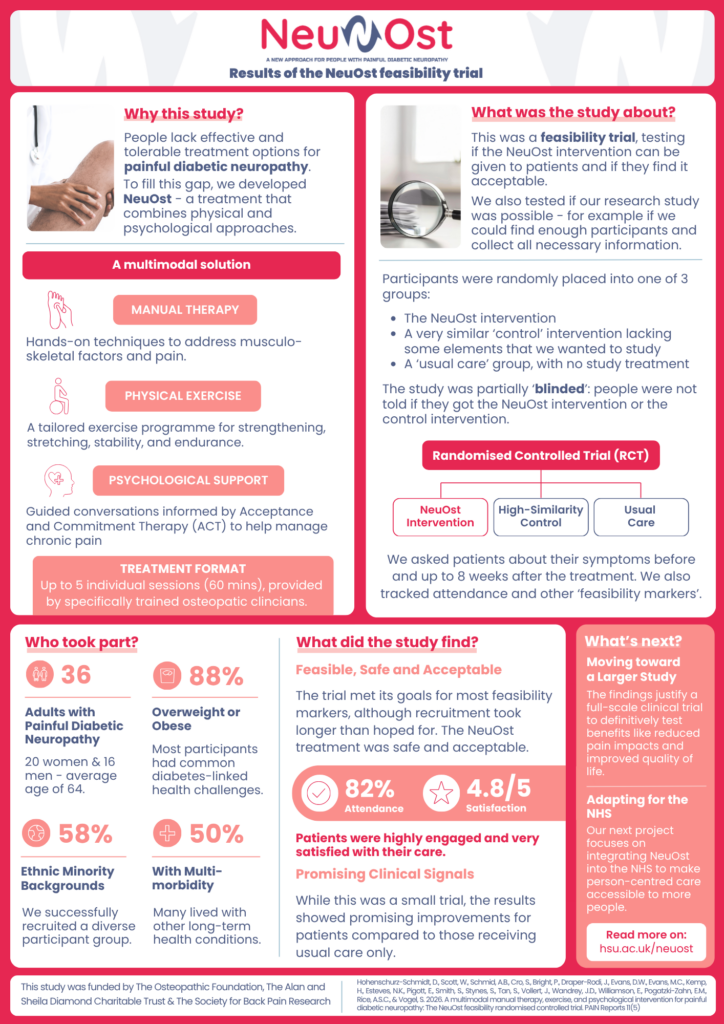
The 2024-2025 NeuOst feasibility trial was a major step towards high-quality integrated care for people living with painful diabetic neuropathy.
During the next stage, we ran a small clinical trial at the Health Sciences University site in London. To do so, we trained qualified osteopaths in the NeuOst intervention. In the clinical trial, we tested if NeuOst can be an acceptable treatment for people with painful diabetic neuropathy and if we could run a larger study later on.
In this study, we tested if the NeuOst intervention can be given to patients and if they find it acceptable.
What we found exceeded our expectations. The treatment proved incredibly safe and highly acceptable to patients: patients attended almost all their treatment sessions and gave the clinical care a fantastic satisfaction rating of 4.8 out of 5 points!
While this was a small feasibility trial, the early clinical signals are highly promising compared to usual care. These findings fully justified moving forward to a much larger trial to test exactly how well the programme can reduce pain and improve daily physical function for patients.
Check out our infographic and read the full scientific report, freely accessible via the journal PAIN Reports
Get Involved
Opportunities for patients, students, and researchers.
For more information and to stay updated on the latest developments regarding the NeuOst project and related project on diabetic neuropathy, please subscribe to our newsletter here.
If you live with diabetic neuropathy, please reach out if you are interested in this project. While we are not currently recruiting research participants, we hope to be able to do so again soon.
You can also contact Dr David Hohenschurz-Schmidt who is the running this study.
Email: David.Schmidt@hsu.ac.uk
Governance and Ethics
This research is led by Dr David Hohenschurz-Schmidt, osteopath and pain researcher at HSU, University of Exeter, and at Imperial College London. The sponsor of the 2024-2025 NeuOst feasibility trial was the HSU, represented by Prof Steven Vogel.
The project is kindly supported by funding from The Osteopathic Foundation, the Alan and Sheila Diamond Charitable Trust, and the Society for Back Pain Research.
The NeuOst trial was overseen by an independent trial steering and data and ethics monitoring committee, including independent experts and a patient partner. All processes and materials undergo formal review by relevant Ethics Committees
Next steps for NeuOst
To make this model of care accessible to as many people as possible, we are taking our next big steps.
In 2026, we also completed a 28-person interview study to understand patient care priorities. This study, called ‘DPN-Prios’ told us what people living with diabetic neuropathy really need from the NHS.
Even more excitingly, we have also been awarded funding by the National Institute for Health and Care Research (NIHR) to develop the NeuOst approach so it can be integrated directly into NHS care pathways. The goal is to eventually integrate and test a treatment model like our original NeuOst intervention in the NHS. Watch this space!
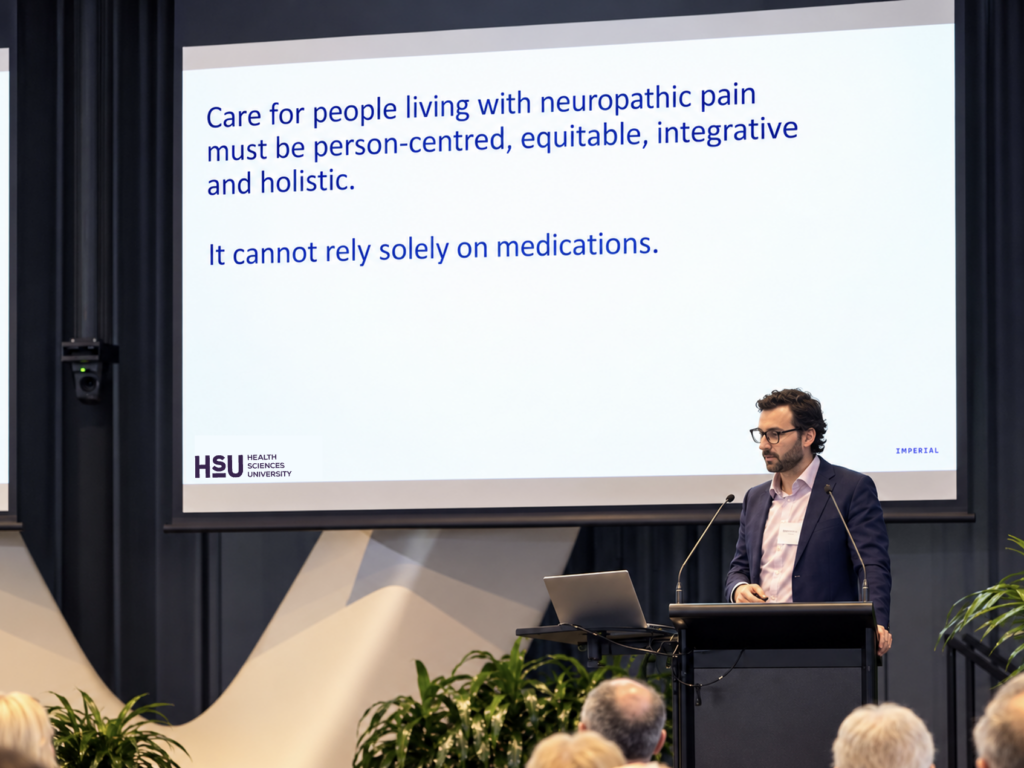
Chief Investigator Dr David Hohenschurz-Schmidt, speaking at the British Pain Society in February 2026
Media & Publications
- The intervention and the 2024/2025 NeuOst feasibility trial at HSU are described in this peer-reviewed publication: https://doi.org/10.1080/17581869.2025.2515010
- Results from the feasibility trial are pubished here: https://journals.lww.com/painrpts/fulltext/10.1097/pr9.0000000000001498~a-multimodal-manual-therapy-exercise-and-psychological
Latest News
Discover and read all the latest news, press releases and happenings here at Health Sciences University.
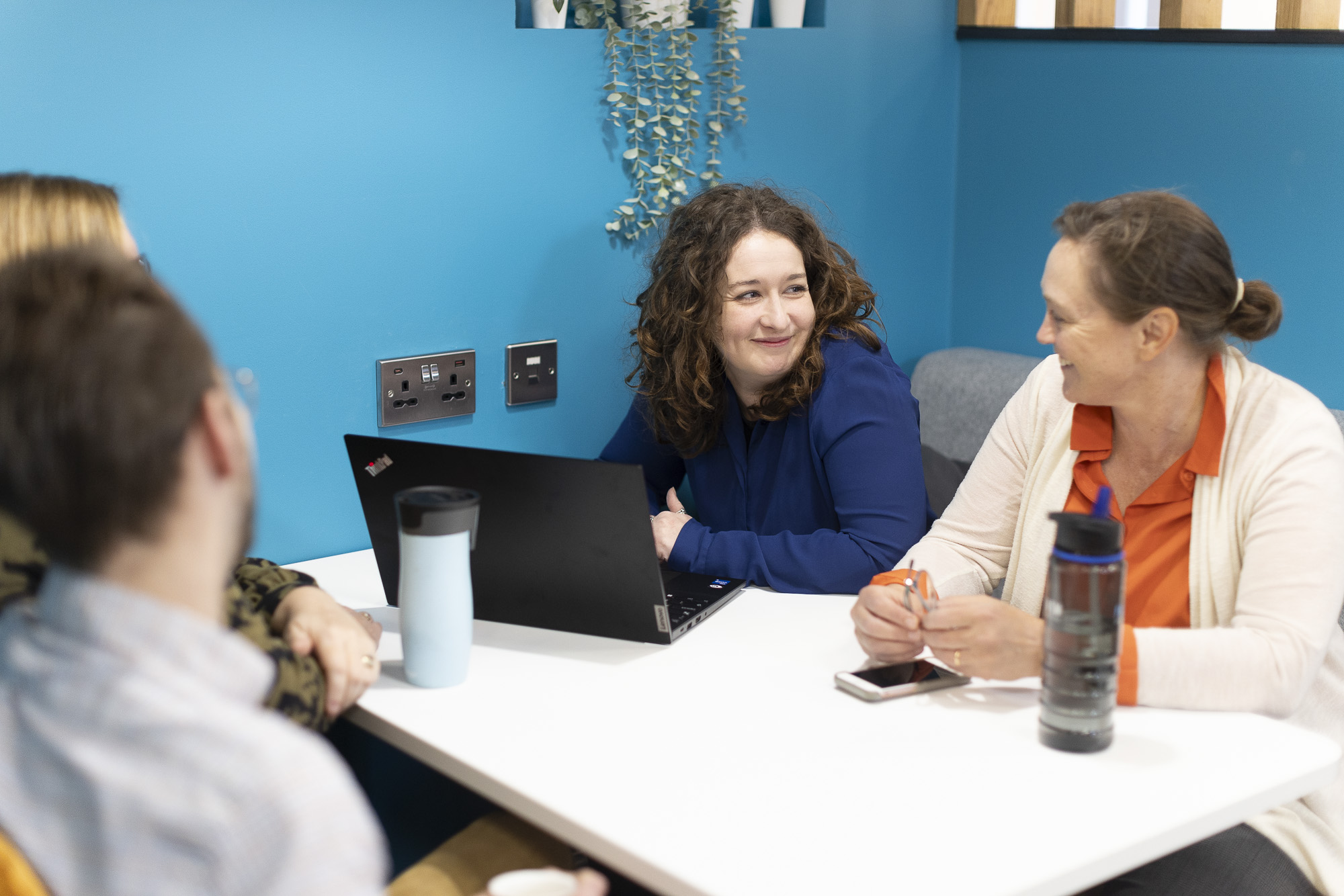
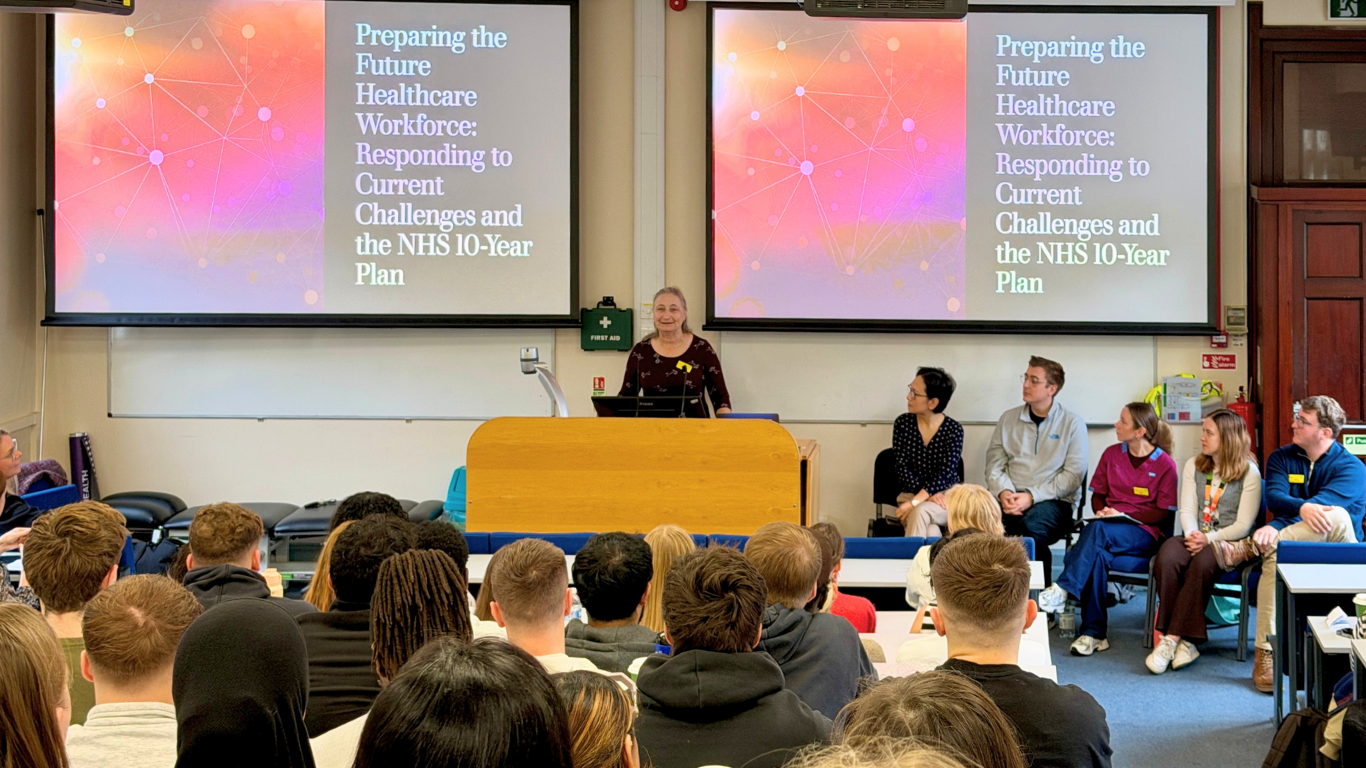
Health Sciences University welcomed healthcare professionals, employers and alumni for its Allied Health Professionals Careers Day, offering final-year students practical advice and insights into professional practice.
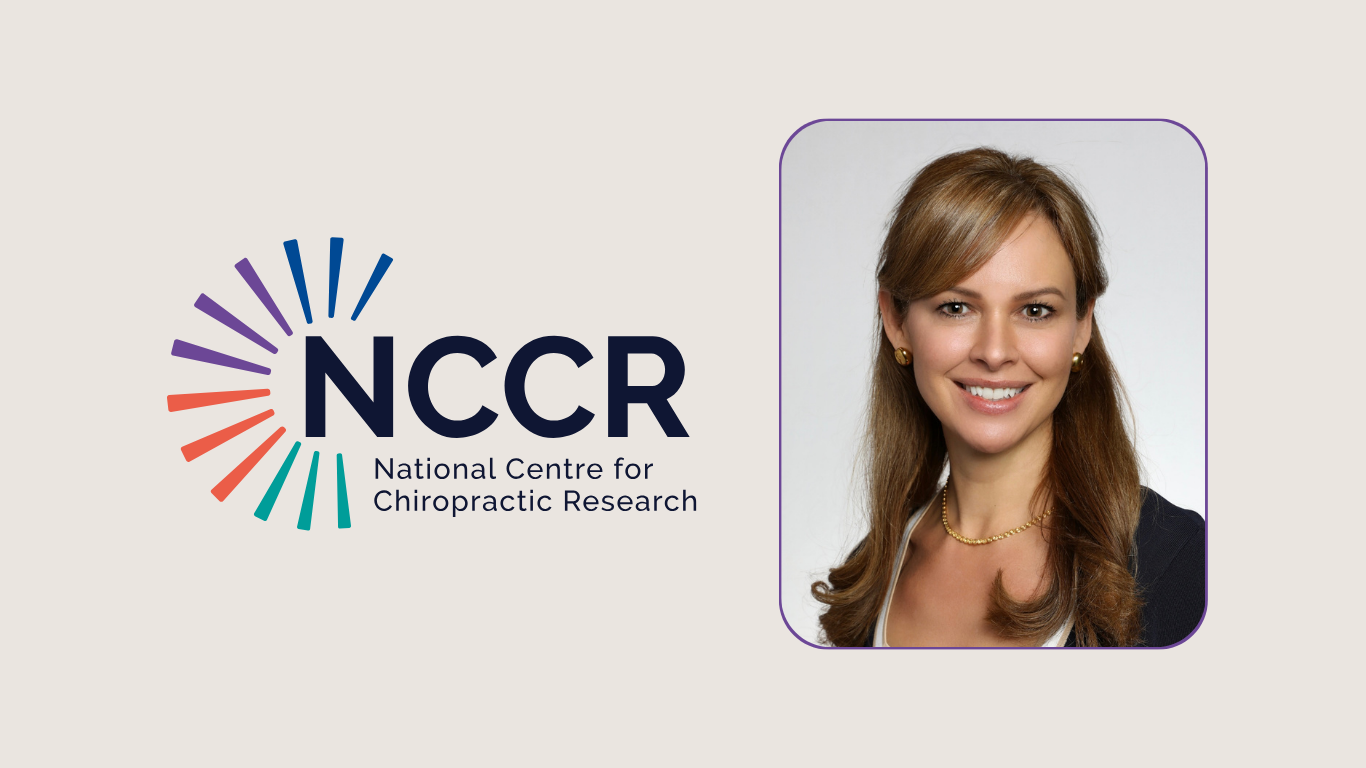
Health Sciences University (HSU) has announced the appointment of Faye Deane as the inaugural Director of the National Centre for Chiropractic Research (NCCR), marking an important step in the Centre's development.
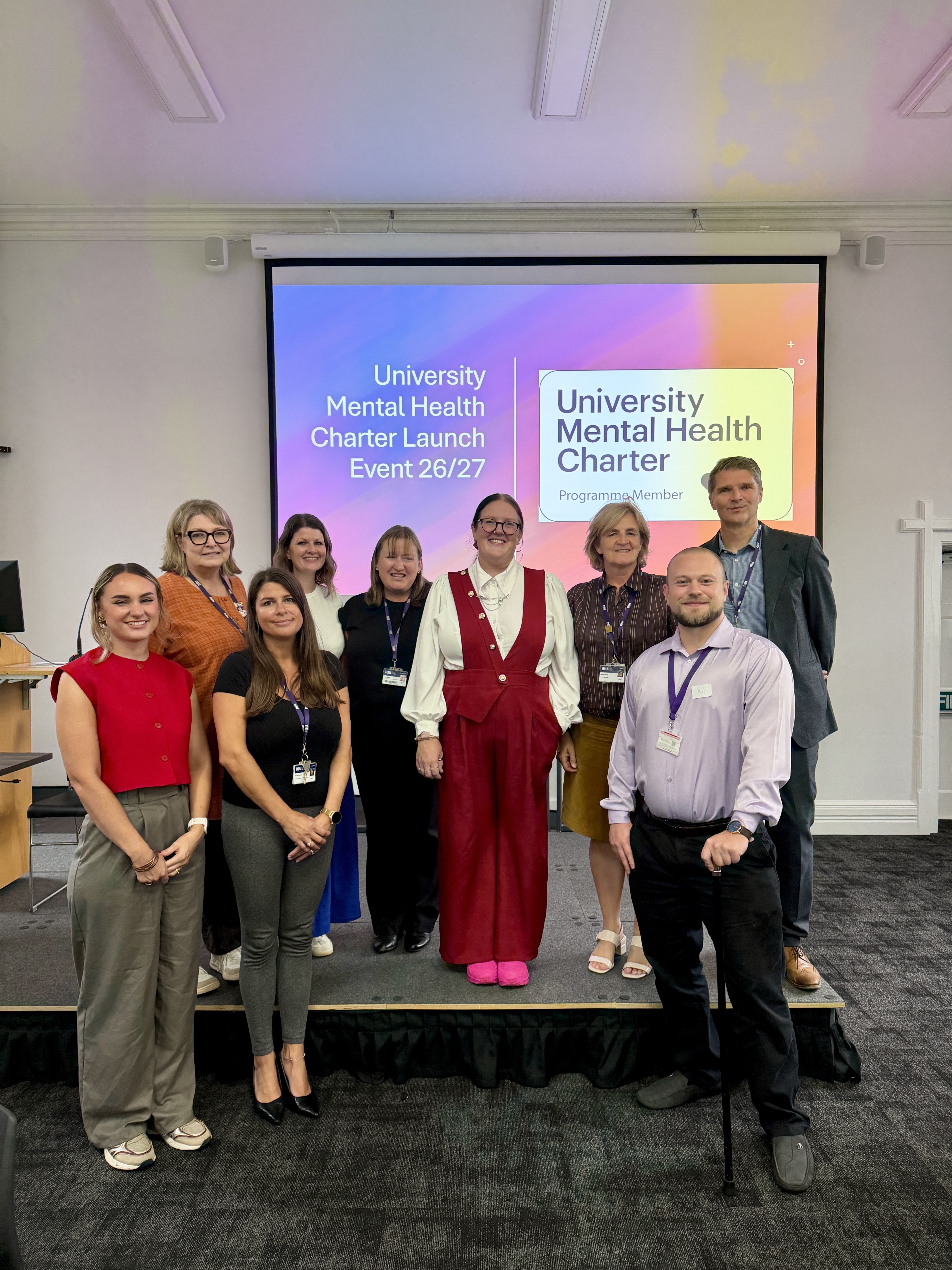
Health Sciences University brought students and staff together across its Bournemouth and London campuses for events supporting the University Mental Health Charter and marking World Mental Health Day.
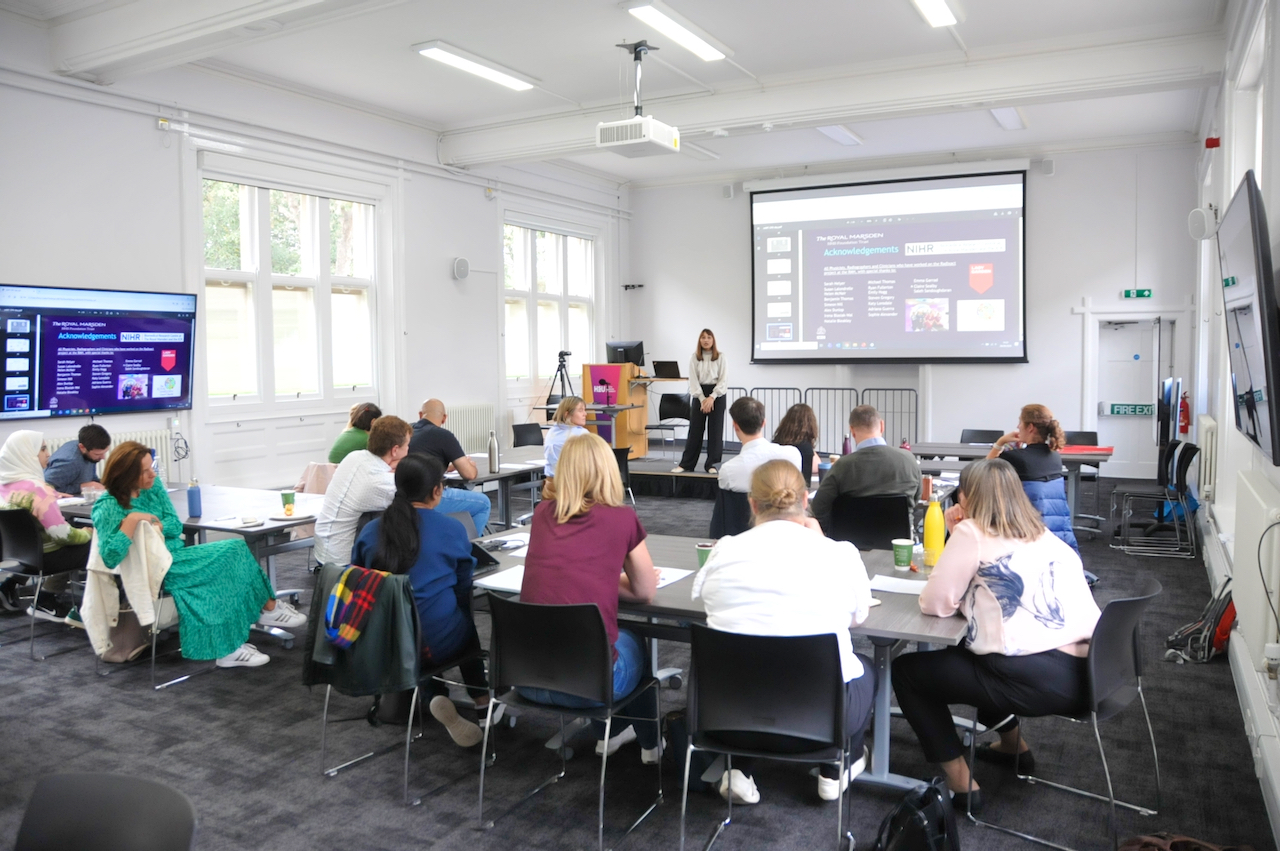
Health Sciences University brought together radiotherapy professionals from across Wessex for a CPD day focused on online adaptive radiotherapy, sharing expertise and supporting its implementation in practice.

