

Overview
Dietitians are key members of the healthcare workforce, applying their knowledge of food, nutrition, human science and research to help their patients make good choices. This intensive two-year pre-registration degree will equip you with the skills and knowledge you’ll need as a qualified dietitian. It’s the only Level 7 Dietetics course in Bournemouth that blends teaching, experiential learning at our on-site pro-section lab, in-house and external placements, and hands-on experience.
Using the latest learning technology, you’ll cover food science, food safety, patient assessment, clinical reasoning, acute and chronic disease, meal planning, nutritional assessment, public health, physiology, team working, research methods and the application of research to practice.
During your two years you’ll learn how to translate complex scientific information about nutrition into everyday patient care, ready to embark on a career working with patients including people with chronic illness, children, athletes and those wishing to make better choices about their health.
This course follows the standards of proficiency of the regulator of the profession, the Health and Care Professions Council (HCPC) and the curriculum framework of the professional body, The British Dietetic Association (BDA).


To register your interest for the course or ask any questions about the course, please complete the form at the bottom of the page.
Course Details
What you will learn on the course?
This course aims to develop your understanding of the human body and the effect food has upon us in health and disease.
Units on the course cover food science, food safety, patient assessment, clinical reasoning, acute and chronic disease, meal planning, nutritional assessment, public health, physiology, team working, research methods and application of research to practice.
How the course is taught
This intensive course is taught through a combination of theory, skills development and placement. Learn through a mix of clinical skills classes, problem-based seminars and placement whilst developing research knowledge and the principals of evidence-based practice. You will also have access to a variety of online materials and literature through our dedicated learning services.
Delivery Approach
We utilise a diverse range of delivery approaches including:
- seminars
- workshops
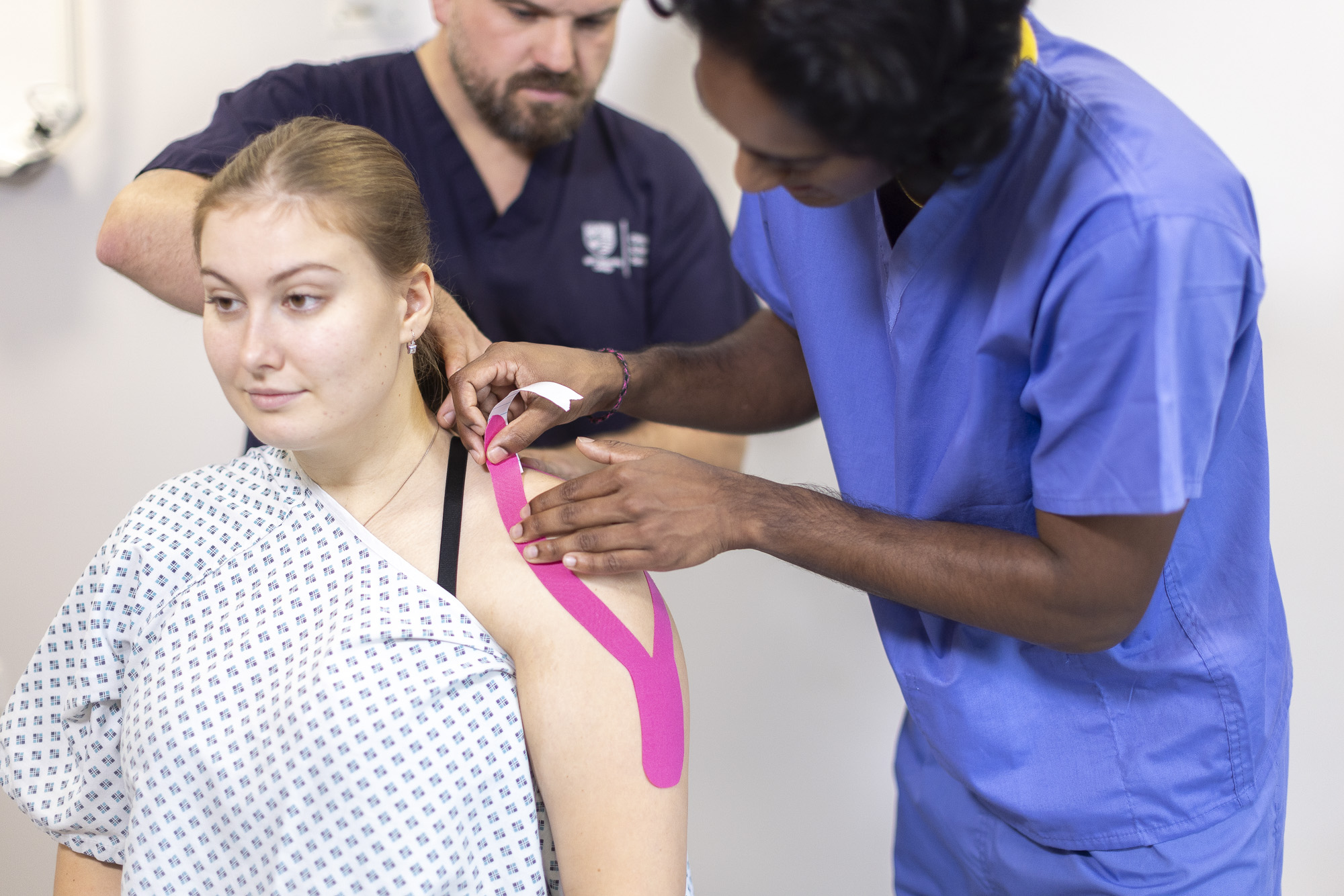
- practice sessions (including our own on-site clinic)
- manual/practical skills
- placement opportunities
- peer and expert observations
- online learning
Teaching
Teaching is usually delivered on campus from Wednesday to Friday, with occasional exceptions. You can expect around 10–12hours of scheduled contact time each week, supported by additional 10-12 hours per week directed study, plus 10-12 hours per week independent and group study.
Additional Information
- Gain 1000+ hours of clinical experience from local placements providers
- We are one of only a handful of Universities in the UK teaching this degree
- We are a small and specialist health sciences university with over 50 years’ experience delivering health science degrees
- Study under expert guidance in a multidisciplinary and collaborative community of like-minded individuals all either learning, teaching, researching or practicing health sciences
To find out more about this course, please read the specification below:
MSc Dietetics (Pre-Registration) – Course Specification
Placements
As part of the programme’s accreditation requirements, and in line with British Dietetic Association (BDA) standards, all students must successfully complete a minimum of 1,000 hours of supervised practice placement experience. These placements enable students to apply classroom learning in real-world settings, working with patients, service users, and multidisciplinary teams.
Placements take place across a variety of clinical, community, and food industry settings and are provided through our extensive network of placement partners across Dorset, Hampshire, London, the Isle of Wight, and Wiltshire. Students should be prepared for full-time attendance during placement periods and may be required to travel or relocate to placement locations.
Year 1: Food Service (4 weeks)
Settings: NHS trusts, schools, and industry environments.
Aim: Introduces students to food service operations while developing key transferable skills in communication, teamwork, audit and evidence-based decision-making.
Year 1: Professional Practice Placement (4 Weeks)
Settings: GP practices, public health services, nursing homes, charities, diabetes education, frailty and other community-based environments.
Aim: Prepares students for dietetic practice by supporting the application and reflection of safe, person-centred care principles using the BDA Model and Process framework.
Year 2: Final (12 week) – Block Placement
Aim: Students consolidate skills through supervised dietetic practice in NHS clinical and community settings.
2027 External Placement Block Dates
Years 1 & 2: 10 – 14 May 2027 Mandatory Preplacement week at HSU
| Year 1 | Food service (4 weeks)
Professional placement (4 weeks)
|
| Year 2 | Clinical placement (12 weeks)
Group split into Summer of Autumn block
|
Where will I go on my placement? 
Practice based learning takes place in a mixture of both onsite and external locations. The majority of practice-based learning takes place externally in a diverse array of organisations/settings including NHS community and acute hospital services, public health organisations, schools, nursing homes, national health charities, and primary care networks across Dorset, Hampshire (including the Isle of Wight) and Wiltshire at present.
Prospective students should be aware that placements are full time, and you are often required to either travel long distances or relocate for some placements.
We continue to build on our placement locations and partnership working with the aim of giving you a broad exposure to real-world dietetic practice.
How do the placements help to prepare me for my future career?
Practice-based Learning involves a range of opportunities for learner development such as the application and consolidation of your learning, bringing together academic theory and workplace practice to develop skills and competences and gain confidence to become a competent Dietitian.
How are placements arranged?
The Dietetic course team collaborates with NHS trusts and healthcare providers to secure high-quality, accredited placement opportunities that meet your learning needs. Student do not arrange their own placements.
How will I be supported on placement?
The wellbeing of our learners on Practice-based Learning is something we prioritise and are aware its central to success in both Practice-based Learning and wider studies. If there is a need for adjustments, we will work with your practice-based educators.
Whilst on placement you will receive guidance from experienced practice educators, a dedicated university tutor, and access to wellbeing and academic support throughout your placement journey.
How much do placements cost?
Placements are included in your course fees. Travel is very often required for placements therefore you will need to cover this and any other expenses like accommodation if placements are outside your local area.
Do placements run at night / weekends?
Placements typically occur during weekdays. However, some may include occasional evening or weekend shifts to reflect real-world healthcare practices.
Unit Breakdown
Units
You will study the follow mandatory (core) profession-specific units:
- Dietetic Practice Learning
- Foundations of Dietetic Practice
- Nutrition and Food Science
- Physiology, Pathology and Pharmacology in Dietetics
- Medical Nutrition Therapy
- Concepts in Public Health Nutrition for Dietetics
You will also study the following mandatory (core) Inter-Professional units:
- Research & Knowledge Exchange Project
- Research and Evaluative Methods
- Essentials of Professional Practice
- Promoting Health and Wellbeing through Collaborative Practice
- Leadership and Innovation
Staff

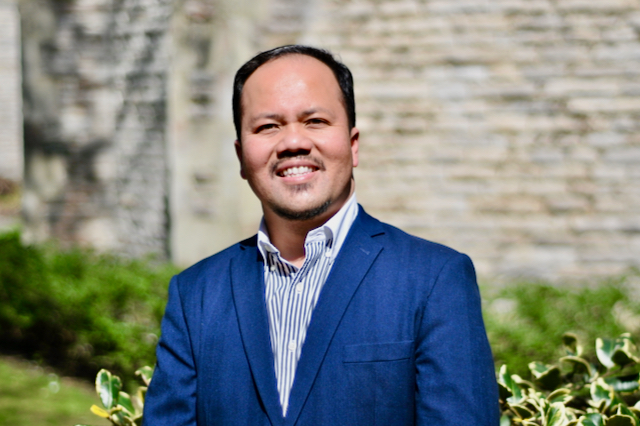
Associate Professor in Dietetics

Entry Requirements
Essential requirements
Essential requirements
We would normally expect to see: A first or second class (2:1 or 2:2)BSc Honours degree or equivalent in a relevant health-related degree demonstrating evidence of sufficient biological science content (e.g., human nutrition, human physiology / anatomy, biochemistry, metabolism.) in prior degree.
Examples include biochemistry, biomedical science, nutrition, physiology, human biology, health science, sports and nutrition-related degree.
Is there anything else that’s required?
Is there anything else that’s required?
If you live in the UK, we’ll need a satisfactory Disclosure and Barring Service (Enhanced DBS) check. It’s standard for all UK students and we’ll be there to guide you through the process once you’ve applied.
To gain a place on the course applicants must also successfully undergo an interview process. More information about this process will be provided if/when applicants are invited to the interview stage.
Enhanced DBS check and an occupational health screening are required prior to commencement on the course.
International Students
International Students
Overseas applicants will require an overall score of 7.0 overall or equivalent (with no element below 6.5) for the International English Language Test Score (IELTS) that is no more than 2 years old on application; or Test of English as a Foreign Language (TOEFL) with a minimum score of 100 with minimum scores of 24 in listening and reading, 23 in speaking and 27 in writing.
You can find out more about the IELTS here. https://www.hsu.ac.uk/study/apply/how-to-apply/international-applicants/english-language-requirements/
International students will be required to pay a non-refundable you can find out more by reading our Tution Fee 2026/27 Policy Details will also be provided in your offer email.
How do I apply?
Please use the Apply Now button above to make an application for this course through our online application system.
Applications for this course are reviewed on a rolling basis and places are offered as they become available; we encourage you to apply early to avoid disappointment. Applications may close early if capacity is reached before 30th September.
Still have questions about applying?
Register Your Interest
Register Your Interest / Enquiry
Course Fees
Tuition Fees 2025/26
UK/ROI/Channel Islands
£9,535 per annum
International
£19,294 per annum
Please note that these fees are for the 2025-26 academic year only and may be subject to increase in subsequent years of study. Any increase will be in line with our Tuition Fees Policy but will not be more than 5%.
Tuition Fees 2026/27
UK/ROI/Channel Islands
£9,790
International
£17,684
These fees are for the 2026/27 academic year only and may be subject to an increase in subsequent years of study. Any future increase will be in line with our Tuition Fees Policy which can be accessed on our Study Money Matters page.
Additional Course Costs
For more information see Additional Costs page.
- Students will be required to attend placements which will take place in NHS settings. Whilst we aim to keep student placements close to the University College campus, it may be necessary for some travel to be required. The costs associated with attending placements are the student’s responsibility and should be factored into their annual budgeting for the course.
- Students will be expected to have an electronic device on which they can access course materials. They will need a secure internet connection with enough bandwidth to stream videos and online content. Students will also be expected to purchase copies of any required textbooks and may wish to purchase their own copies of some recommended textbooks. Books are estimated to cost between £50 and £200. There are no direct printing costs, but some students may prefer to print out materials. Students may have to bear the costs of accessing articles not already accessible through our learning services, all access to articles held by our learning services is included in the yearly fee.
More information
The Funding Clinic (Funding information for studying the allied health professions)
Should you have any questions on course fees please see our Fees and Payment Information page or contact our admissions team on the form below.
Additional Funding
Students studying for a recognised Allied Health Profession qualification may be entitled to apply for additional funding from the NHS Learning Support Fund.
This fund provides supplementary financial support to the mainstream student loans system, and is intended to support students whilst they train and gain professional registration. This funding is not means-tested and is a grant rather than a loan, so the majority of students will not need to pay it back when they start work in the future.
Looking for accommodation in Bournemouth?
If you’re joining a programme in January and looking for accommodation, we’ve got you covered with a range of options to suit your needs.

Why choose Health Sciences University
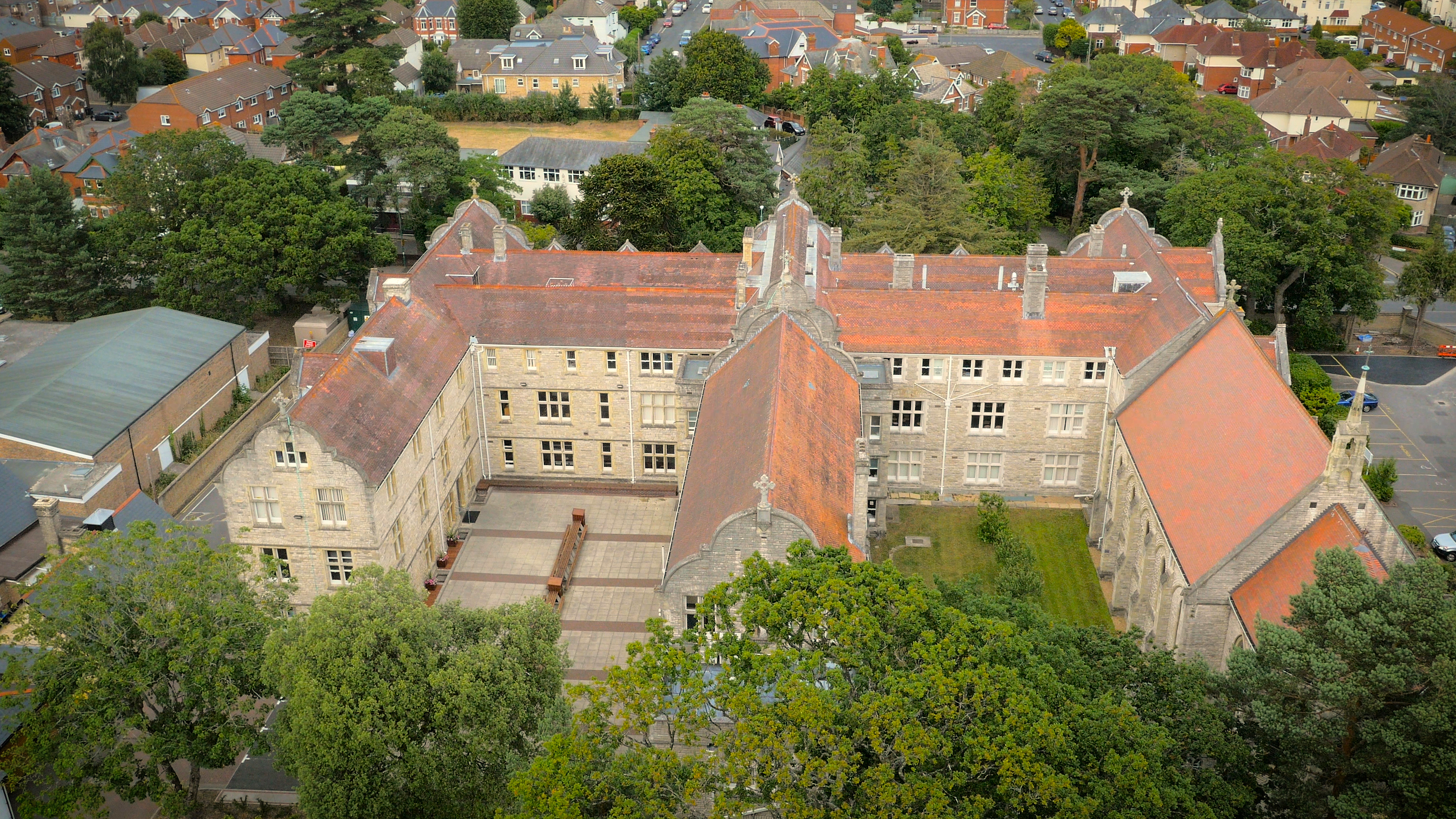
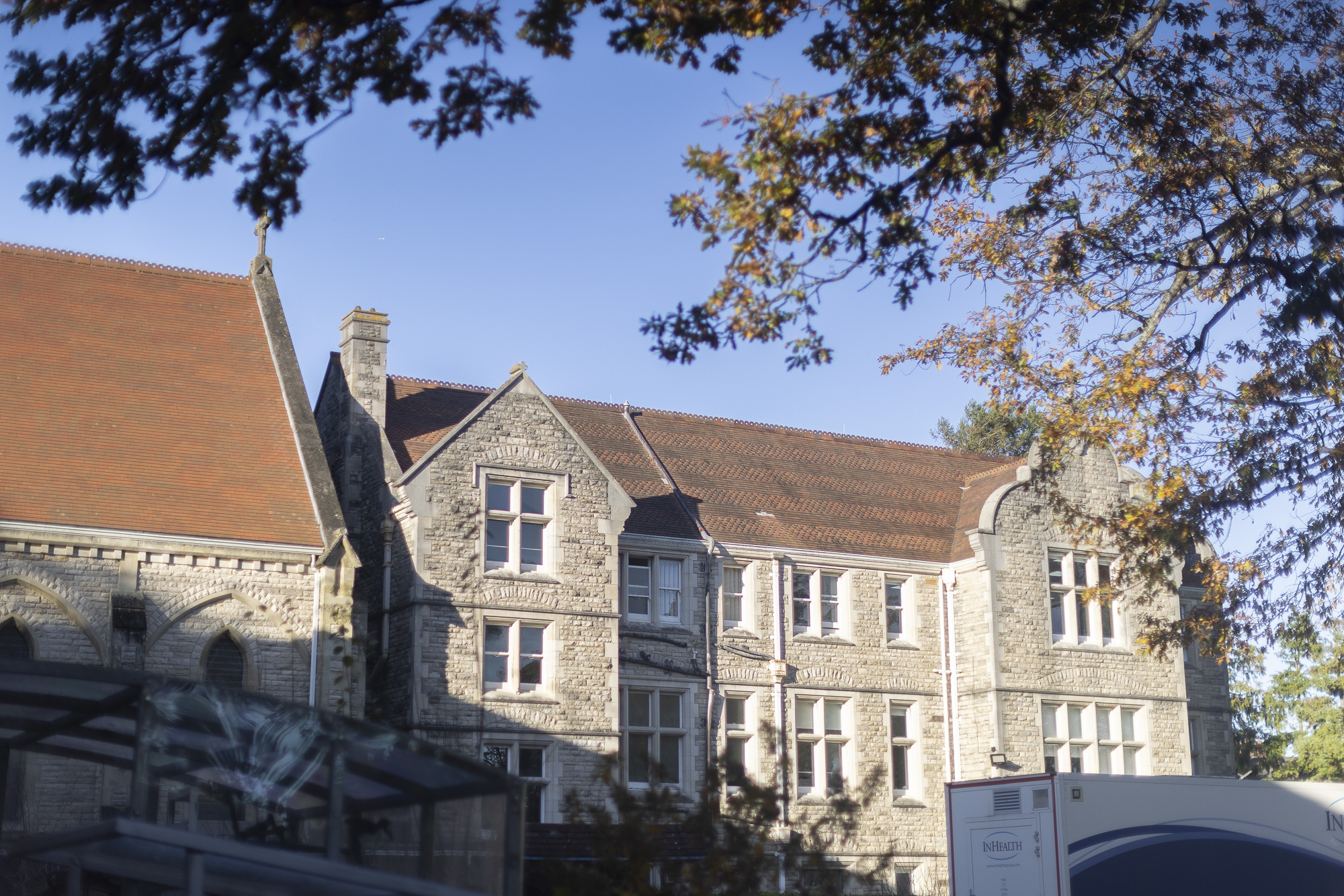
There are many benefits to studying at Health Sciences University, from our expertise and history in teaching health sciences, to our state-of-the-art facilities, on-site clinical training, and of course our location on the beautiful Bournemouth coast.
Latest News
Discover and read all the latest news, press releases and happenings here at Health Sciences University.


Find us
Health Sciences University
Bournemouth Campus
Parkwood Road
Bournemouth
BH5 2DF
Health Sciences University
London Campus
275 Borough High Street,
London
SE1 1JE
Health Sciences University
Reading Campus
19 Castle Street
Reading
RG1 7SB