
Overview
This unit aims to support experienced practitioners to develop skills in integrating relevant patient data through appropriate and systematic history taking, physical examination and investigations to examine and diagnose patients with a wide range of presenting conditions across primary, community and social care settings. At the end of this unit, you will be able to identify, select, and apply a range of assessment techniques to consider the holistic needs of people, utilising appropriate tools and techniques. Within this unit, you will also explore personalised approaches to patient care that value co-production and shared decision making with service users. You will have the opportunity to develop management plans, considering the circumstances, priorities, preferences, risks and benefits for patients. You will draw on your understanding of local service provision and relevant guidelines to support your decision making. You will learn to monitor changes in response to treatment, using relevant outcomes measures, proactively managing risk. Within this unit, you will be encouraged in the development of your skills in condition management through intervention, self-management, health promotion and behaviour change.
Course Details
This unit aims to support experienced practitioners in developing advanced skills in integrating relevant patient data through systematic history taking, physical examination, and the appropriate use of investigations to assess, examine, and diagnose patients presenting with a wide range of conditions across primary, community, and social care settings. Participants will develop expertise in clinical assessment and examination, clinical reasoning, diagnostics, and the application of a range of assessment techniques to identify and address the holistic needs of individuals. The course promotes personalised, patient-centred care through co-production, shared decision-making, and collaborative goal setting, while considering wider determinants of health and the factors that influence health outcomes across diverse populations.
Reflecting the evolving landscape of healthcare, the programme explores the current context of primary and community care, including the development of Integrated Neighbourhood Teams and their role in delivering proactive, coordinated, and multidisciplinary care closer to home. Learners will gain an understanding of how integrated working across health, social care, voluntary, and community services can improve patient outcomes, reduce health inequalities, and support population health management.
Participants will gain the knowledge and confidence to develop and implement effective management plans, taking into account patient circumstances, priorities, preferences, risks, benefits, and prognostic factors. Drawing on local service provision, integrated care pathways, and relevant clinical guidance, learners will strengthen their complex decision-making skills and learn to monitor responses to treatment using appropriate outcome measures while proactively managing risk. The programme also focuses on effective communication skills, including conducting sensitive conversations, and supports the development of condition management strategies through intervention, health promotion, behaviour change techniques, self-management tools, and approaches that empower individuals to actively manage their health and wellbeing within their communities.
This online unit is designed to develop independent learning and support the application of knowledge and skills within clinical practice. Learning activities include online sessions and peer discussions, alongside resources including readings, recorded content, and interactive learning activities. Synchronous online sessions provide opportunities to explore clinical scenarios, share knowledge, and learn from the experiences of peers working across diverse patient groups. Students are also expected to undertake self-directed study, reflection, and critical analysis of their practice. Reflective practice is a key component of the unit, encouraging learners to justify and evaluate their clinical decision-making in a range of healthcare situations.
As a unique Health Sciences University, HSU has developed a wide range of educational opportunities for health and care professionals. Provision at HSU is delivered by experts and clinicians that combine roles in both academia and practice.
What will learn on the course
- Clinical assessment and examination
- History taking
- Clinical reasoning
- Diagnostics
- Shared decision-making
- Goal setting
- Wider determinants of health
- Context of Neighbourhood and implications
- Outcome measures
- Management plans
- Complex decision-making
- Patient-centred care
- Sensitive conversations
- Communication skills
- Prognostic factors
- Behaviour change techniques
- Self-management tools and techniques
Entry Requirements
Entry Requirements: 
This unit is designed for healthcare professionals working in Primary, Community and Social Care settings working towards and enhanced level of practice.
Course Fees
Course Fee 2026/27
£925
Still have questions about applying?
Latest News
Discover and read all the latest news, press releases and happenings here at Health Sciences University.

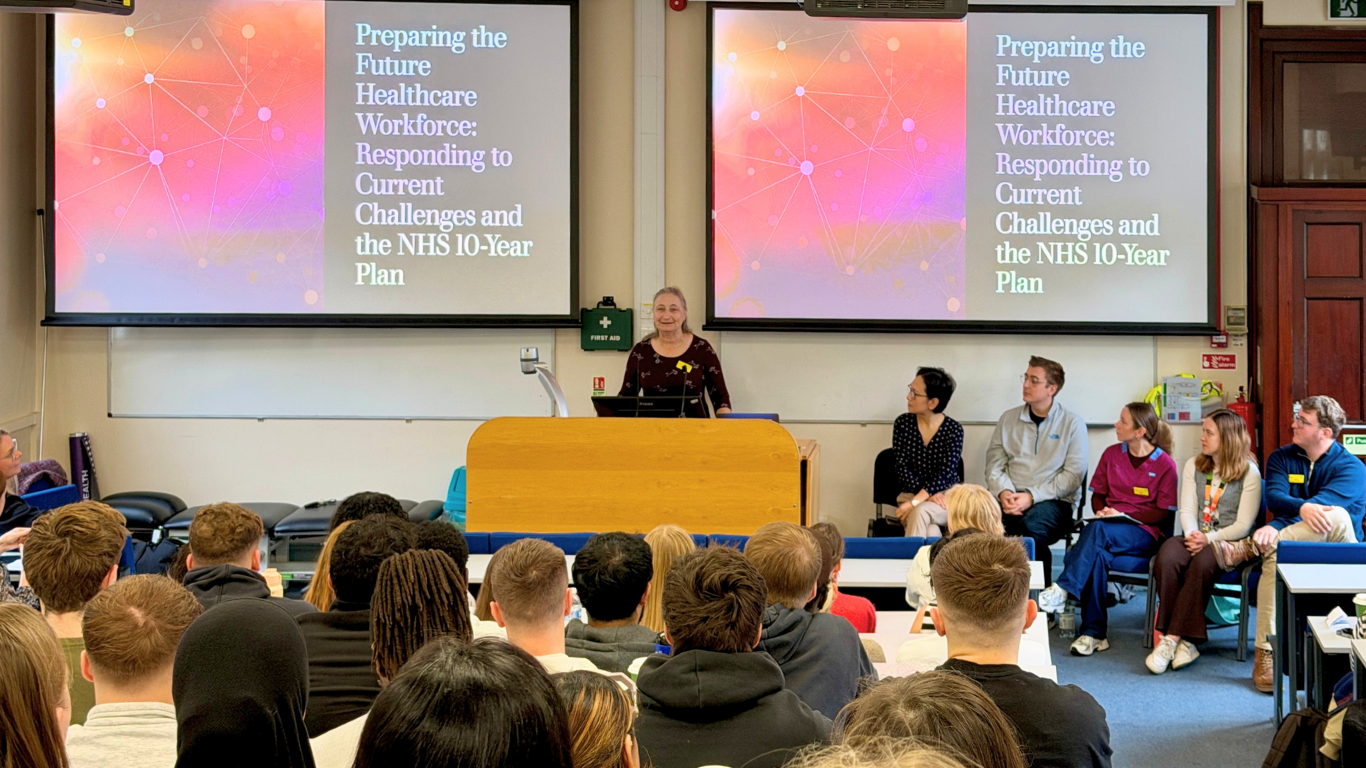
Health Sciences University welcomed healthcare professionals, employers and alumni for its Allied Health Professionals Careers Day, offering final-year students practical advice and insights into professional practice.
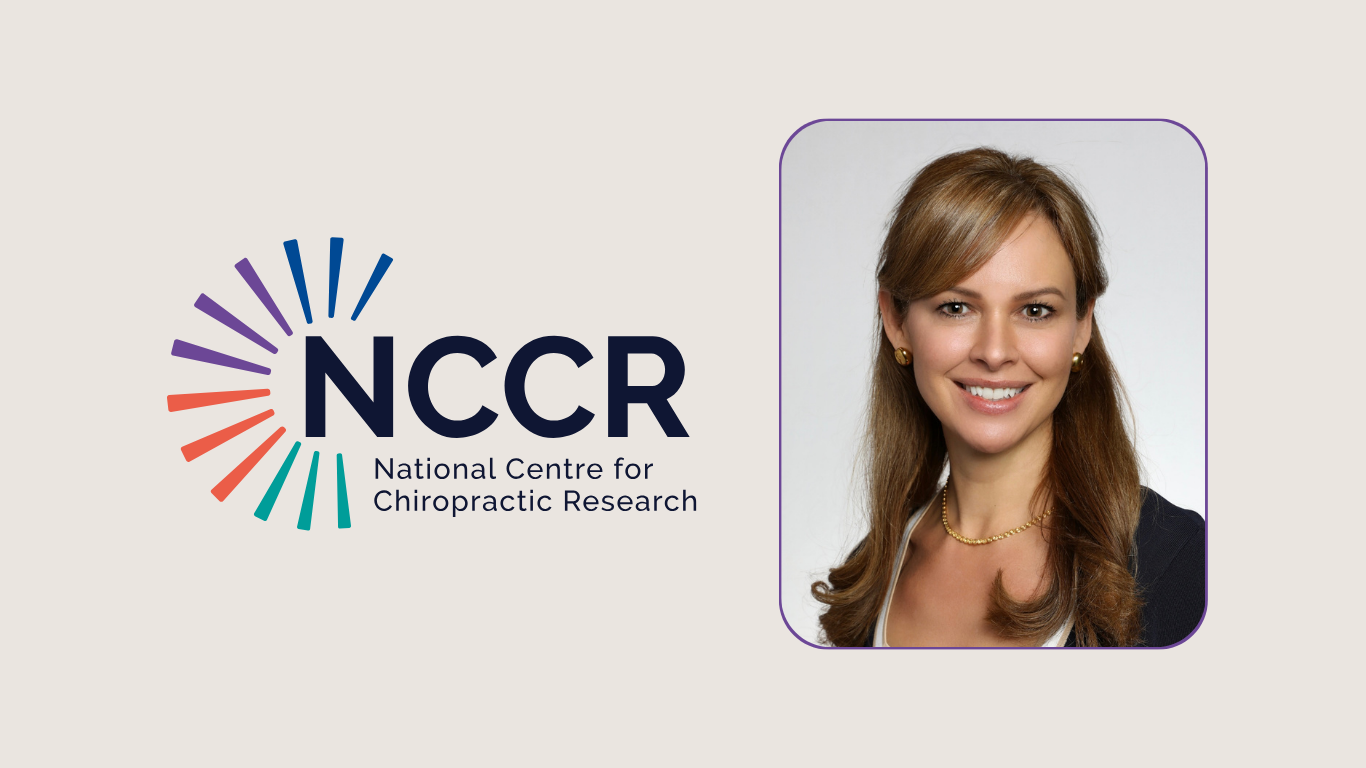
Health Sciences University (HSU) has announced the appointment of Faye Deane as the inaugural Director of the National Centre for Chiropractic Research (NCCR), marking an important step in the Centre's development.
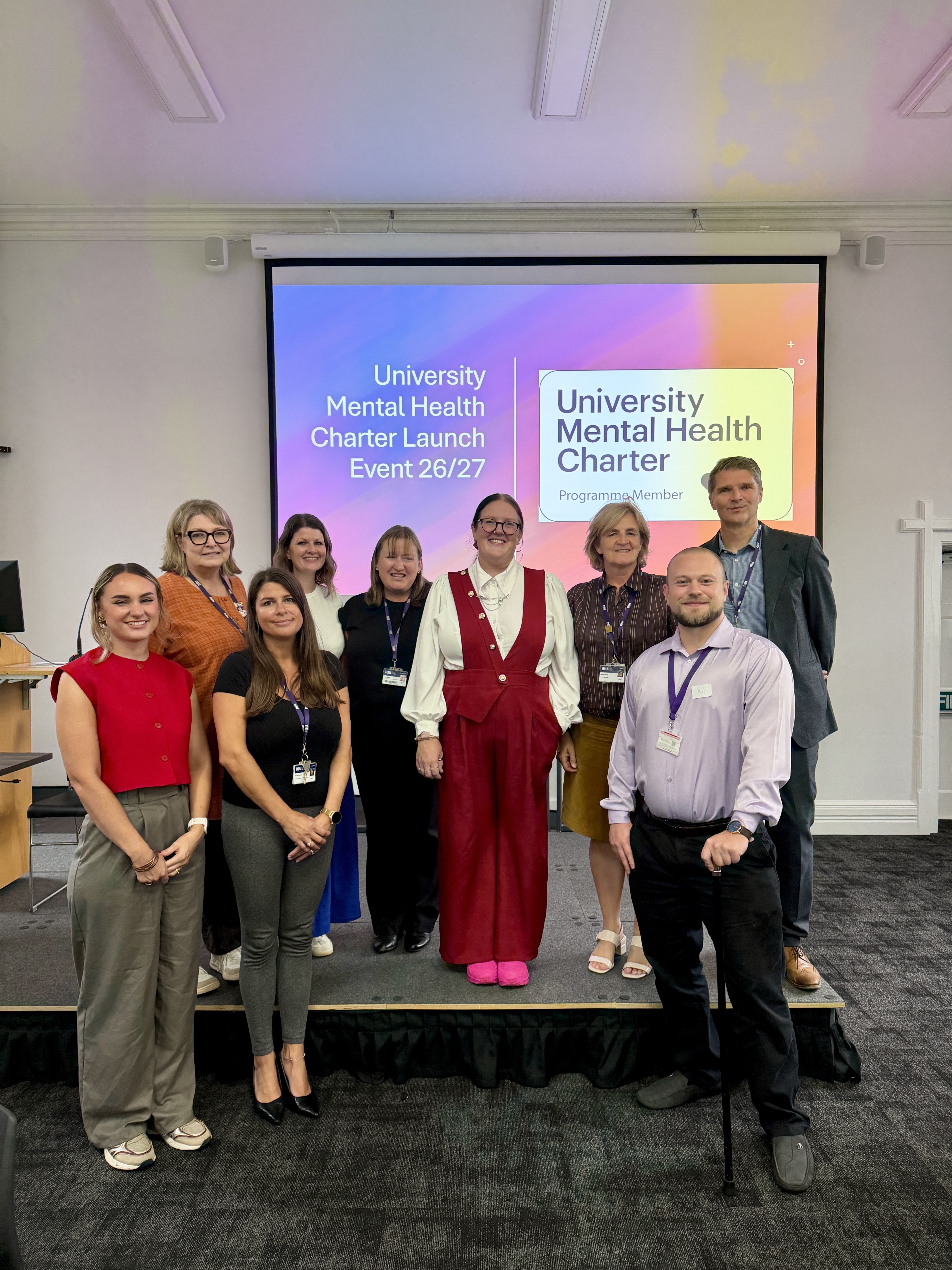
Health Sciences University brought students and staff together across its Bournemouth and London campuses for events supporting the University Mental Health Charter and marking World Mental Health Day.

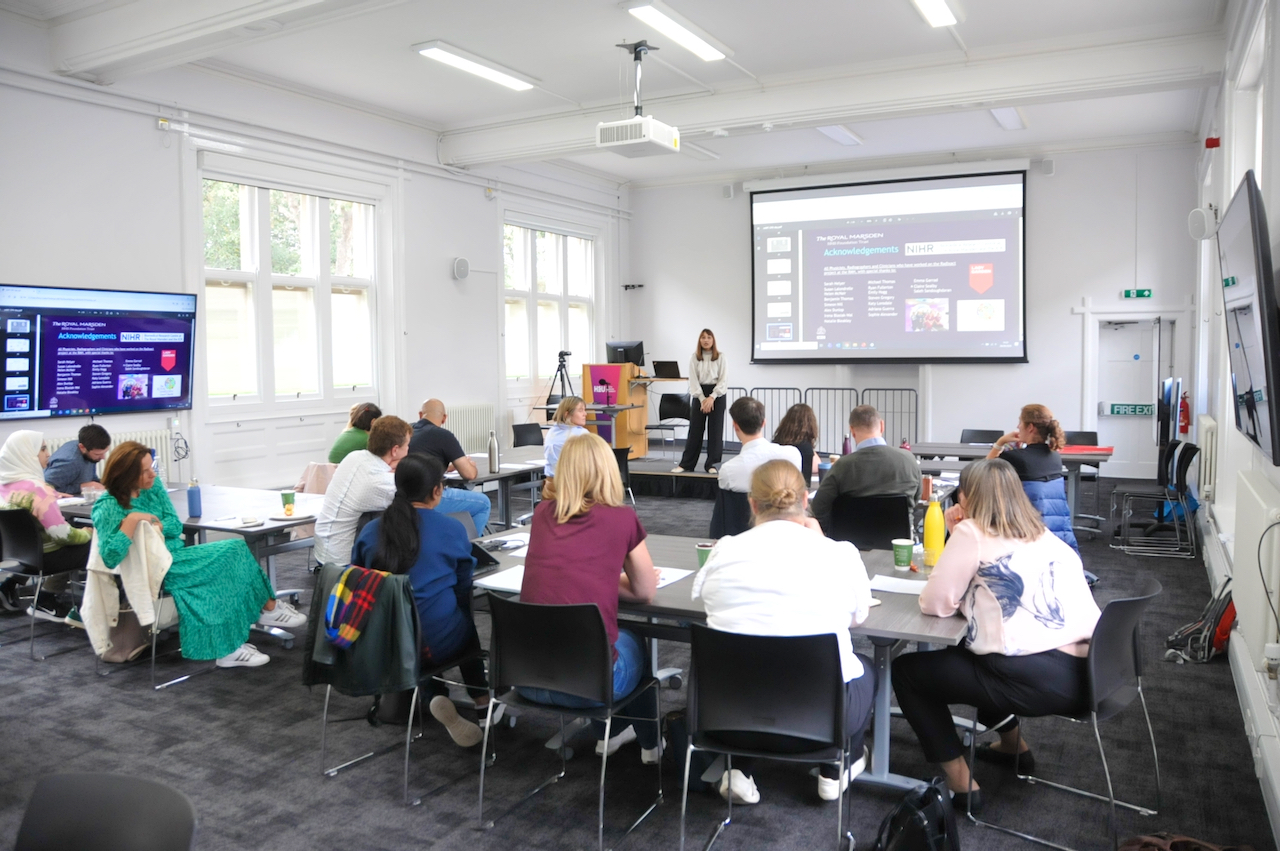
Health Sciences University brought together radiotherapy professionals from across Wessex for a CPD day focused on online adaptive radiotherapy, sharing expertise and supporting its implementation in practice.

