
Overview
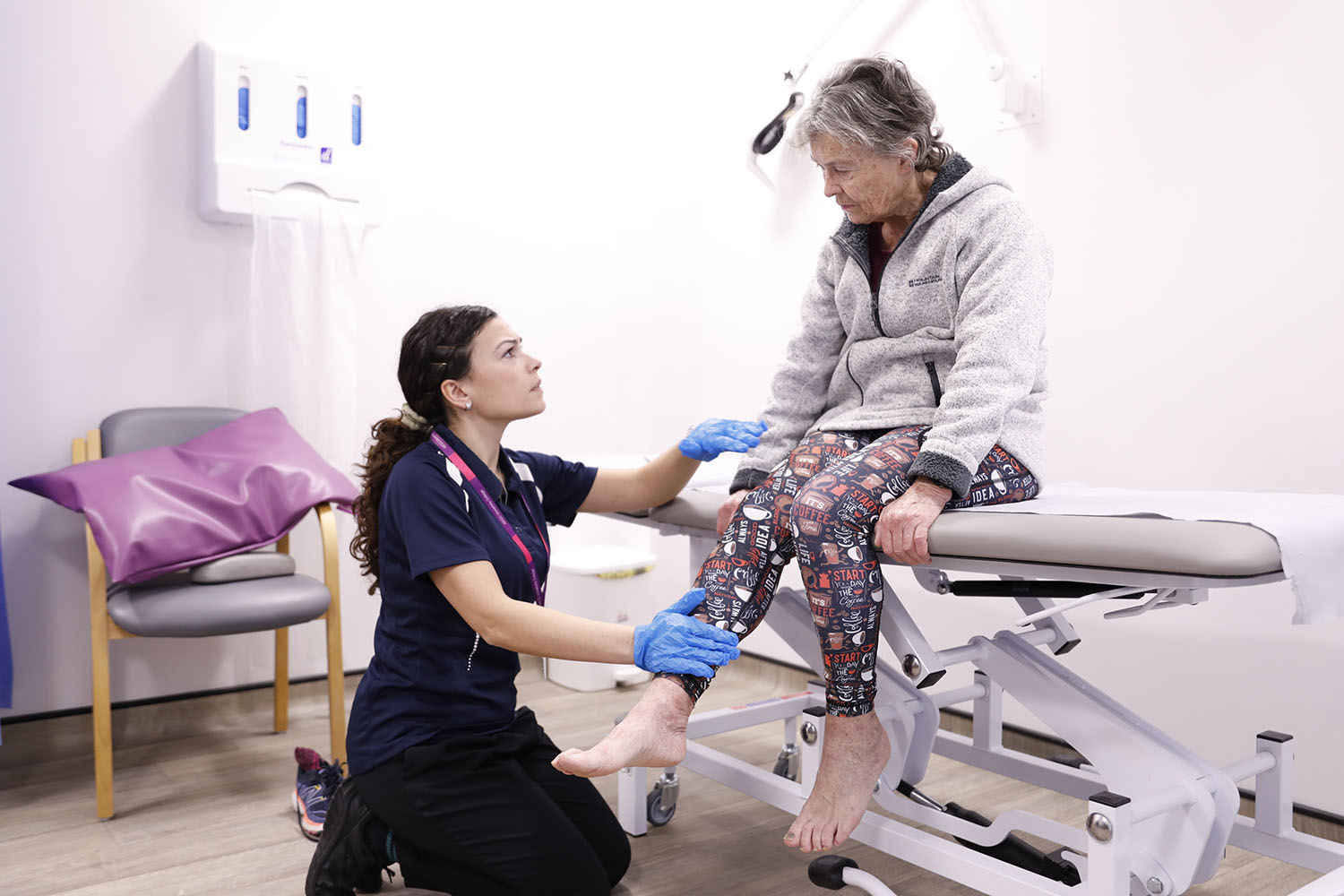
This masters level unit supports registered healthcare professionals working in primary, secondary, or urgent care to develop enhanced skills in physical assessment and clinical reasoning. Aimed at clinicians with at least one year of post‑registration experience, it strengthens the ability to conduct structured history taking, physical examination, and appropriate diagnostic investigations. Learners will expand their understanding of anatomy, physiology, and pathophysiology while applying evidence‑based approaches to clinical problem solving. The unit focuses on recognising normal and abnormal findings, identifying red flags, and forming preliminary diagnostic impressions to guide safe and effective patient management within diverse healthcare settings.
Course Details
This unit aims to support healthcare professionals working in primary care, secondary care, or urgent care settings to develop enhanced skills in physical assessment and clinical reasoning. You will be a registered healthcare professional with at least one years experience in a clinical setting post-registration and working towards an enhanced level of clinical practice. Through systematic and comprehensive history taking, physical examination, and appropriate investigations, you will learn to assess and manage patients presenting with a wide range of conditions commonly encountered across these clinical environments. You will consolidate and extend your existing knowledge of anatomy, physiology, and pathophysiology, while exploring methods of enhanced clinical problem‑solving relevant to multidisciplinary evidence-based practice. The unit will develop your competence in key assessment approaches, enabling you to distinguish between normal and abnormal findings, identify red flags and potential risk factors, and make informed preliminary diagnostic decisions to guide effective management strategies.
Course dates 2027:
- Tuesday 4 May 2027
- Tuesday 11 May 2027
- Tuesday 18 May 2027
- Tuesday 25 May 2027
- Tuesday 8 June 2027
- Tuesday 29 June 2027 – OSCE assessment exam
This unit is delivered through a blended learning approach that supports you in developing independence as a learner and applying knowledge and skills within your clinical setting. Face‑to‑face sessions will include clinical skills practice, simulation, and peer discussion. These are complemented by online learning resources, including required readings, recorded content, and interactive activities linked to the unit’s theoretical content. Online synchronous sessions provide opportunities for group discussion, allowing you to explore and apply knowledge to typical clinical scenarios and to share clinical experiences with peers. You are also expected to undertake self‑directed learning, including reading, reflection, and engagement with relevant guidelines and policies. Reflective practice underpins the unit, encouraging you to justify your clinical decisions and contribute to discussions that inform your coursework.
As a unique Health Sciences University, HSU has developed a wide range of educational opportunities for health and care professionals. Provision at HSU is delivered by experts and clinicians that combine roles in both academia and practice.
- Application of anatomy, physiology and pathophysiology related to patient consultation and clinical assessment.
- Psychosocial assessment
- Comprehensive, systematic history taking and physical examination of the respiratory,
- cardiovascular, gastrointestinal, neurological system
- Documentation skills
- Identifying risk factors
- Red flags for referral
- Identifying normal from abnormal clinical findings
- Recognition of signs of deterioration in the patient
- Mental Health assessment tools including MMSE (Mini‑Mental State Examination)
Entry Requirements
Entry Requirements 
This unit is designed for registered health care professionals working clinically in primary, secondary, or urgent care settings.
Still have questions about applying?
Latest News
Discover and read all the latest news, press releases and happenings here at Health Sciences University.

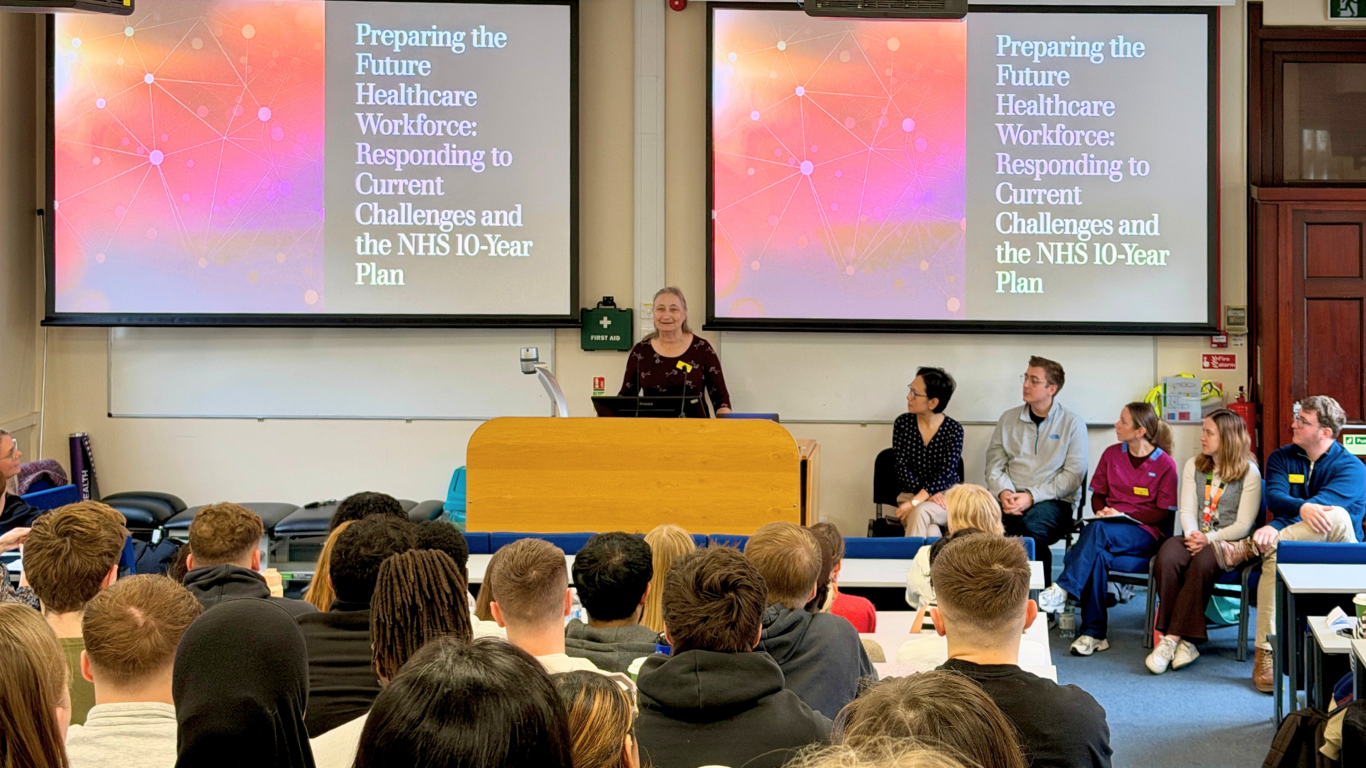
Health Sciences University welcomed healthcare professionals, employers and alumni for its Allied Health Professionals Careers Day, offering final-year students practical advice and insights into professional practice.
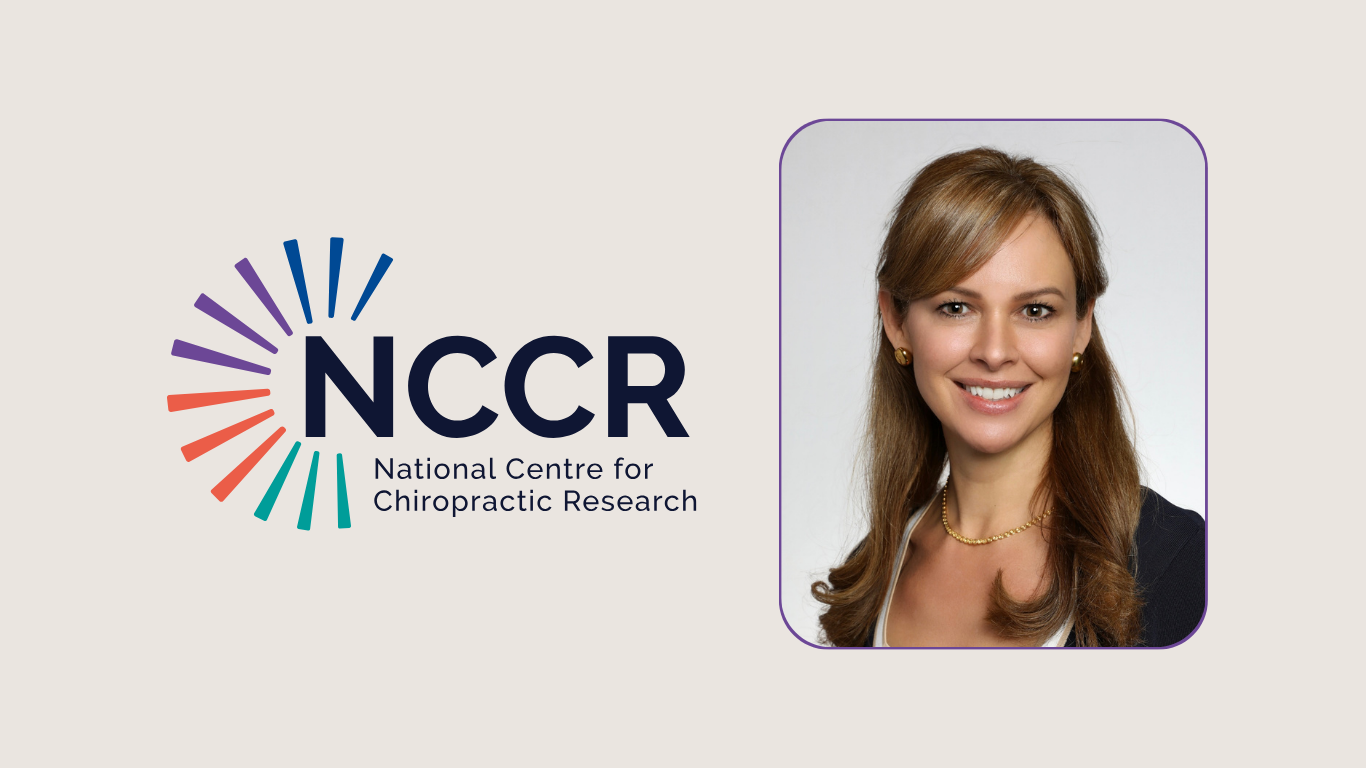
Health Sciences University (HSU) has announced the appointment of Faye Deane as the inaugural Director of the National Centre for Chiropractic Research (NCCR), marking an important step in the Centre's development.
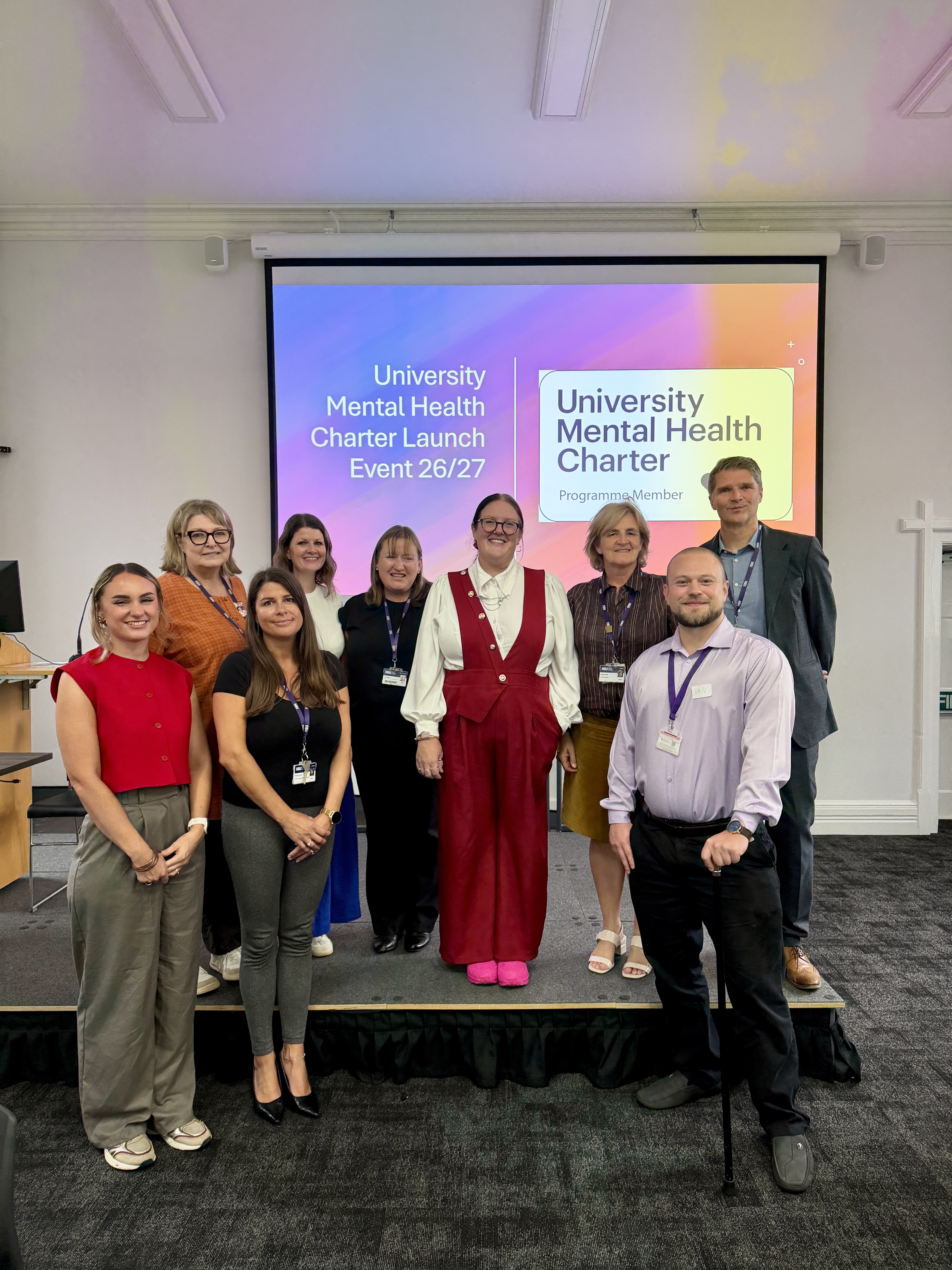
Health Sciences University brought students and staff together across its Bournemouth and London campuses for events supporting the University Mental Health Charter and marking World Mental Health Day.

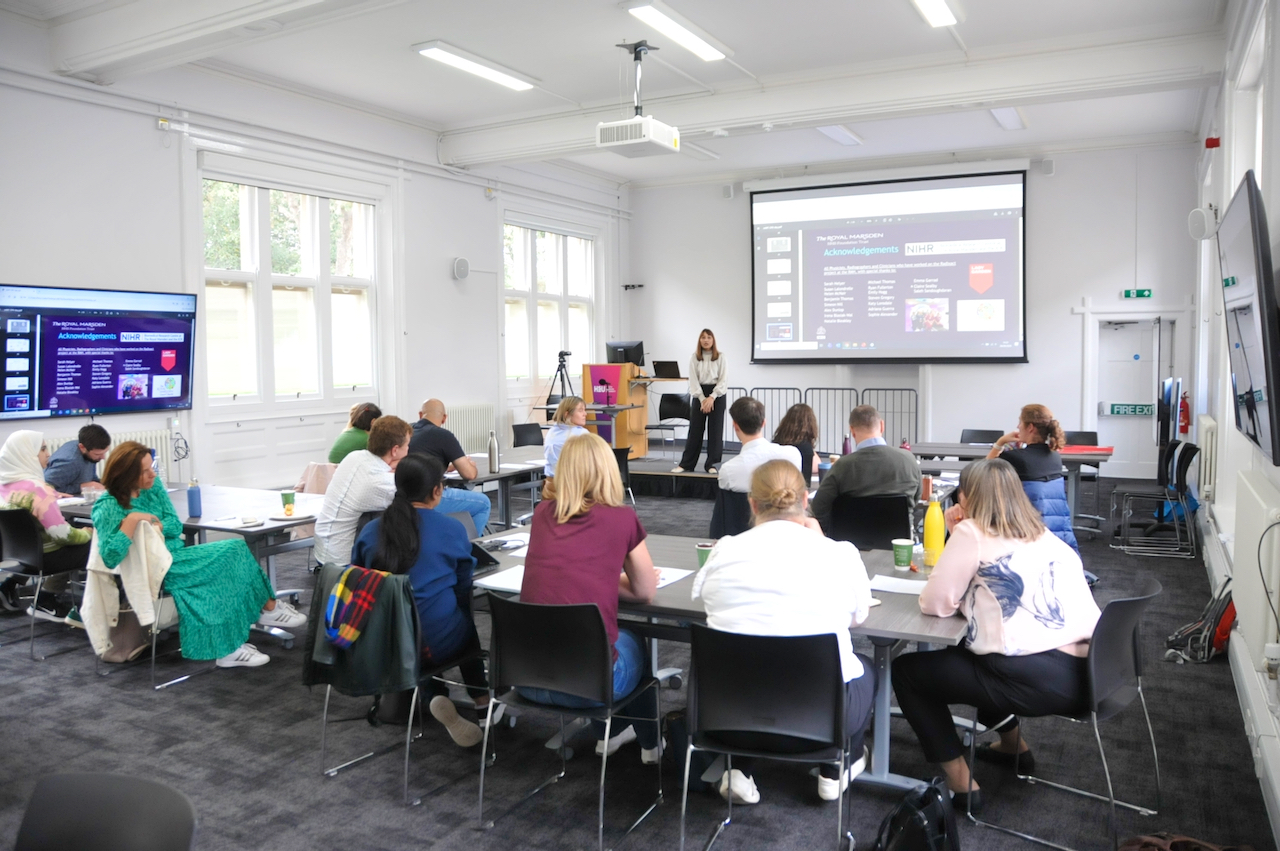
Health Sciences University brought together radiotherapy professionals from across Wessex for a CPD day focused on online adaptive radiotherapy, sharing expertise and supporting its implementation in practice.

