PhD Project: Recovery of Critical Illness Survivors – incorporating lifestyle approach to improve overall well-being
Applications for this PhD project are now open. The deadline for applications is 6 April 2026.

Applications for this PhD project are now open. The deadline for applications is 6 April 2026.
This PhD aims to investigate barriers and challenges in optimising nutrition intake and appropriate physical activity for post ICU discharge patients and how this will impact their body nutritional status and body composition.
A multidisciplinary approach that integrates tailored nutritional support with structured physical rehabilitation is increasingly recognised as essential for promoting recovery after critical illness (Major et al., 2021). Despite this, there is a lack of UK-based research evaluating such interventions during the post-discharge period. Key uncertainties remain regarding the optimal timing, type, and delivery of nutrition and exercise programmes for this population.
This PhD will address these gaps by exploring barriers to optimising dietary intake and physical activity among ICU survivors, followed by the development and testing of a quasi-experimental nutrition and physical activity intervention.
The anticipated outcome is evidence to inform a multidisciplinary rehabilitation approach that improves nutritional status, muscle mass, physical function, and overall quality of life in this underserved population.
Email: hazreen.majid@hsu.ac.uk
Undernutrition is a persistent and significant problem for survivors of critical illness, with many continuing to experience inadequate dietary intake well beyond hospital discharge.
Evidence suggests that energy and protein requirements remain unmet for a substantial proportion of patients even one year after leaving the intensive care unit (ICU) (Beumeler, 2024). Although some survivors show gradual nutritional improvements over this period, recovery is inconsistent and often incomplete. Older adults are particularly at risk; Tripathy (2014) found that 48% remained malnourished at 12 months, highlighting the enduring impact of critical illness on nutritional status.
A recent review by Terblanche (2025) identified several prominent barriers to achieving adequate nutrition during recovery. Loss of appetite was reported by 40% of patients and remains one of the most common challenges. Dysphagia affected 26% of survivors, limiting their ability to consume sufficient food, while psychological distress—also affecting 40%—further undermined appetite, motivation, and adherence to nutritional recommendations. These barriers contribute directly to poor dietary intake, with 19% of patients consuming insufficient energy and nutrients. Consequently, malnutrition persists in 42% of survivors, and significant weight loss is experienced by more than half (56%) during the 12 months following hospital discharge.
As advances in ICU care have improved survival rates, the long-term consequences of critical illness have become increasingly visible. Herridge (2011) describes a wide range of physical, functional, and psychosocial impairments reported by ICU survivors, many of which persist for months or years. A key driver of these limitations is intensive care unit-acquired weakness (ICU AW), a condition characterised by severe muscle wasting and reduced muscle strength. ICU AW can develop rapidly during critical illness and continues to impair mobility, independence, and quality of life long after discharge (Bear, 2017). Poor muscle function also limits the capacity for physical activity, further compounding nutritional and functional recovery.
Research investigating body composition changes after ICU discharge has produced mixed findings. Four studies using bioelectrical impedance analysis (BIA) (Rousseau et al., 2022; Ait Hssain et al., 2023; Lakenman et al., 2023; Rives Lange, 2022) reported inconsistent changes in lean and fat mass over time. More precise dual-energy X ray absorptiometry (DEXA) studies found increases in total body mass and fat mass between six and twelve months post-discharge, while lean body mass remained stable or declined. These results suggest that although some survivors regain weight, this often reflects increased fat rather than restoration of muscle, with implications for long-term physical health and function.
This PhD will address these gaps by exploring barriers to optimising dietary intake and physical activity among ICU survivors, followed by the development and testing of a quasi-experimental nutrition and physical activity intervention.
The anticipated outcome is evidence to inform a multidisciplinary rehabilitation approach that improves nutritional status, muscle mass, physical function, and overall quality of life in this underserved population.

HSU is offering up to three fee waivers for UK home applicants starting in October 2026. All eligible UK home applicants will automatically be considered for fee waiver support, which is awarded competitively based on the excellence of the candidate.
International applicants are unfortunately not eligible for fee waivers.
All applicants are expected to have financial plans in place to cover their studies and should not rely on a fee waiver.
Self-funded students are also welcome to apply for this project. Self-funded students can be UK home students or international students.
Available to both UK and International students.
Discover and read all the latest news, press releases and happenings here at Health Sciences University.
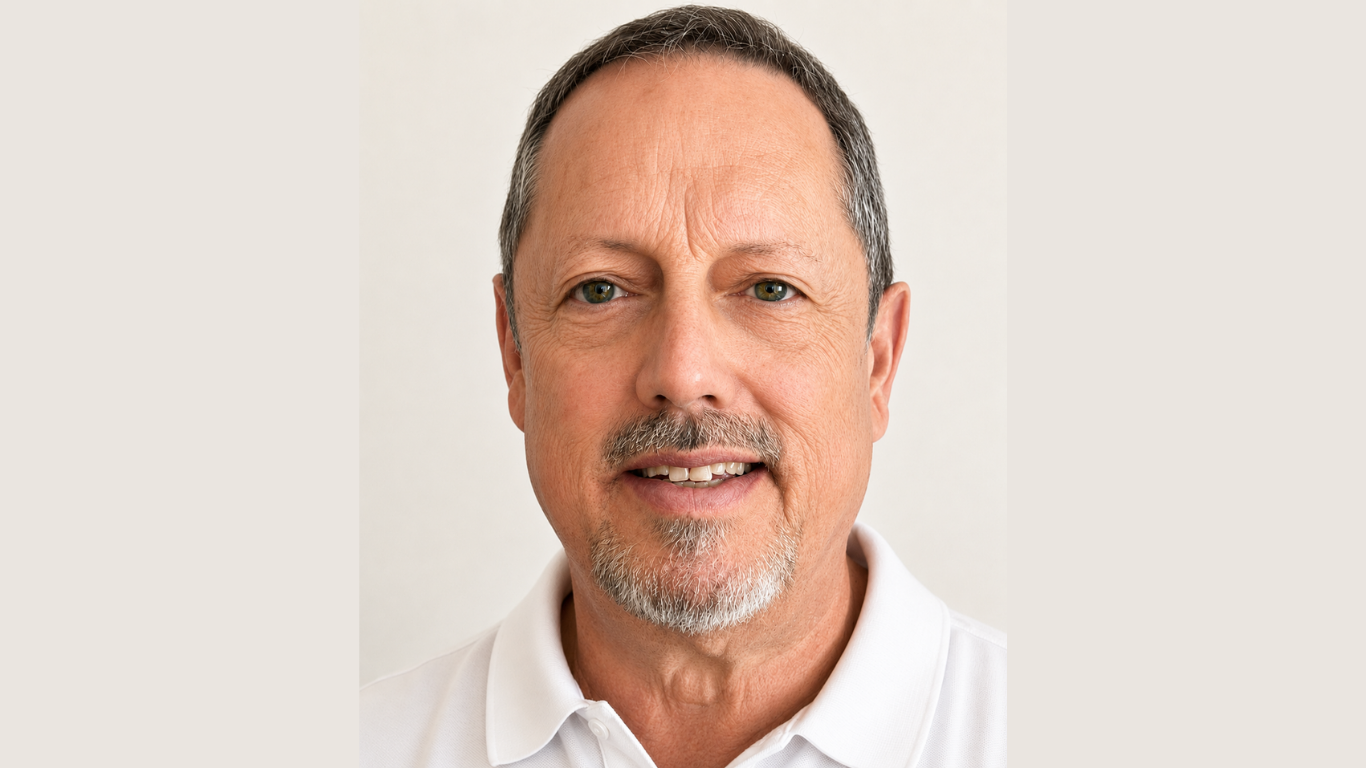
Health Sciences University has appointed internationally recognised clinician, researcher and educator Professor Jeremy Lewis PhD FCSP as a Professorial Research Fellow within its Institute of Musculoskeletal Health and Innovation (IMHI).
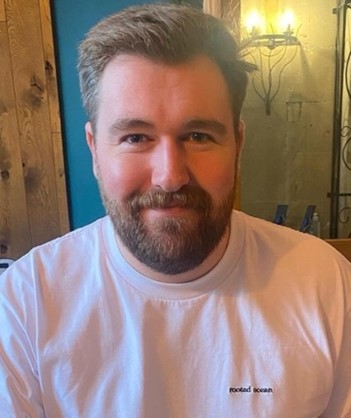
HSU graduate Sam Bigley studied BSc Exercise Science (Health and Rehabilitation) before progressing into respiratory and prehospital care.
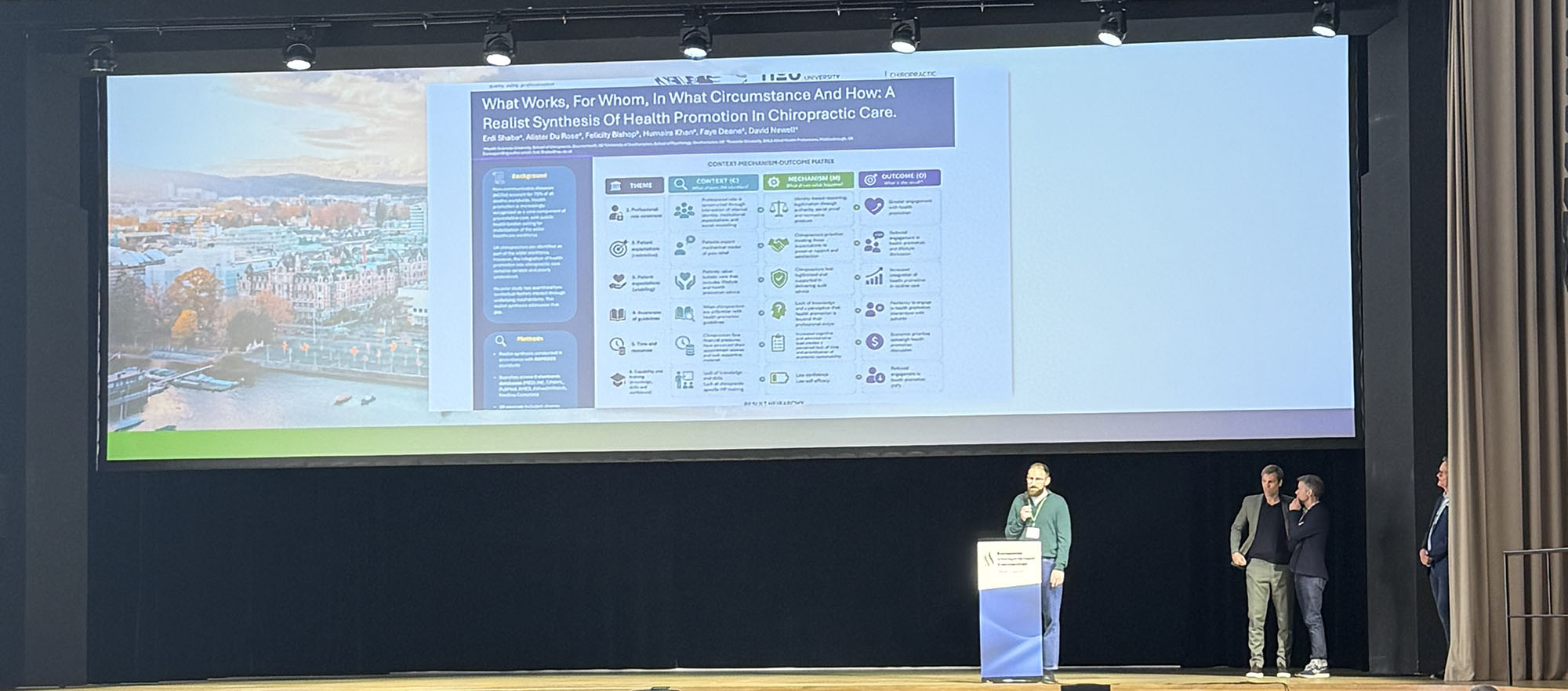
Health Sciences University is proud to celebrate the outstanding achievement of Erdi Shaba, PhD student and Chiropractic Lecturer within the AECC School of Chiropractic, who has been awarded the Best Poster Award at the prestigious European Chiropractors' Union (ECU) Conference in Zurich.

Health Sciences University (HSU) is delighted to welcome Jacqui Rix to campus as she completes an extraordinary 630-mile fundraising walk along the Southwest Coast Path, as part of the ‘Rix Big Ramble 2’ in memory of her late husband, George Rix.
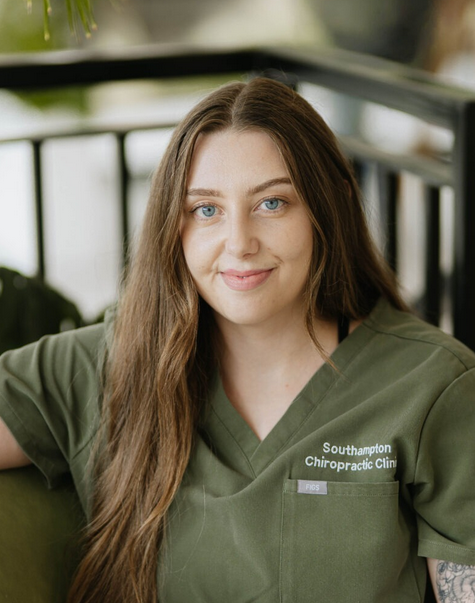
Inspired by personal experiences navigating healthcare after a family scoliosis diagnosis, Triniti chose to pursue chiropractic to help others access compassionate, life-changing care.


Health Sciences University
Bournemouth Campus
Parkwood Road
Bournemouth
BH5 2DF
Health Sciences University
London Campus
275 Borough High Street,
London
SE1 1JE