

Overview
The PG Certificate in Research Methods for Health Sciences and Services at HSU is a flexible, online programme designed for professionals who want to develop confidence and capability in applied health research. The programme provides a rigorous grounding in research methods, evidence-based practice, research design, ethics, integrity and dissemination, supporting students to critically appraise, design and plan research in contemporary healthcare contexts.
The programme is structured around two 30-credit units delivered sequentially. Unit 1 – Research Knowledge and Practice – develops your understanding of epistemology and ontology, evidence hierarchies, evidence-based medicine and practice, critical appraisal, and knowledge access and evaluation, together with the principles of patient and public involvement and engagement (PPIE) and the scientific and academic writing skills expected. Unit 2 – Research Design and Integrity – takes you through research paradigm selection, qualitative, quantitative, mixed-methods, and literature-based approaches, research ethics and integrity, including UKRIO-informed principles of good research practice. Patient and Public Involvement and Engagement (PPIE), and knowledge transfer and dissemination.
Students completing both units gain the PG Certificate (60 credits, FHEQ Level 7). The curriculum has been designed to support clinicians and healthcare professionals seeking to develop research capability, including those considering academic-clinical or doctoral pathways, as well as professionals from health management and health business contexts. Blended delivery – combining synchronous online sessions with asynchronous study – accommodates clinical and professional timetables, making this programme genuinely accessible without compromising academic rigour.
Course Details
You will develop a comprehensive, critically grounded understanding of healthcare research methods from foundational principles through to the design of rigorous, independent research. In Unit 1 (Research Knowledge and Practice), you will explore the philosophical underpinnings of knowledge production – epistemology and ontology – and how these shape approaches to evidence-based medicine and practice. You will develop expertise in evidence hierarchies, systematic literature searching, and critical appraisal frameworks applicable to diverse forms of healthcare evidence, including grey literature, audit, and service evaluation. You will also engage with the principles of patient and public involvement and engagement (PPIE) and develop the scientific and academic writing skills. Alongside frameworks such as PICO and PEO, you will encounter the DEPTh model (Diagnosis, Etiology, Prognosis, Therapeutics) as one of several complementary, approaches to classifying research questions and linking them to appropriate designs — applicable across clinical, service and organisational contexts, including health management and health business decision-making.
In Unit 2 (Research Design and Integrity), you will develop the ability to align research questions, paradigms and study designs, with in-depth coverage of qualitative, quantitative, mixed-methods, and literature-based (including systematic review) methodologies.
You will develop a deep understanding of research ethics and integrity – including UKRIO standards and open research practices – alongside PPIE frameworks and strategies for knowledge transfer, impact, and dissemination. Students leave the programme with a developed research proposal that can form the basis for ethical review, funding applications or future doctoral study. Students completing both units gain the PG Certificate: 60 credits at FHEQ Level 7.
Each of the two taught units carries two linked assessment components, ensuring that assessment reflects authentic research practice rather than examination performance. For Unit 1, you will produce a background literature appraisal (80% of the unit mark) – a critical synthesis of the existing evidence base relevant to a research question of your choosing within a healthcare context. This demonstrates your ability to identify, evaluate, and interpret evidence drawn from multiple source types. This is complemented by a short oral presentation and Q&A (20% of the unit mark), in which you talk through and justify the epistemological and ontological positioning underpinning your appraisal. For Unit 2, you will develop a full research proposal (80% of the unit mark). This document – structured as one might submit for ethical approval or a funding application – will articulate your research question, justify your chosen methodology, address ethical considerations and PPIE, and outline a plan for knowledge transfer and dissemination. This written proposal is complemented by an oral presentation and Q&A (20% of the unit mark), in which you present, and respond to questions on your proposed research design.
Feedback is provided formatively throughout each unit as well as summatively on assessed work.
Each 30-credit unit represents 300 hours of notional study, of which approximately 30 hours are scheduled contact time, with a further 60 hours of tutor-guided directed learning (such as pre-recorded lectures and structured VLE tasks). Students typically engage in around 4-6 hours of taught content per week (synchronous or asynchronous) and small-group tutorials and seminars. The remaining study time involves independent reading, critical reflection, and assessment preparation, allowing you to integrate learning with your existing professional commitments. The programme is designed to be manageable alongside part-time clinical, professional or academic work.
Unit Breakdown
Unit 1: Research Knowledge and Practice (30 credits, FHEQ Level 7) Year 1 - PG Cert 
Epistemology and ontology in healthcare research; evidence-based medicine and practice; evidence hierarchies; systematic literature searching; critical appraisal frameworks; grey literature, audit, and service evaluation; question-classification frameworks (PICO, PEO and the DEPTh model); patient and public involvement and engagement (PPIE); scientific and academic writing. Assessed by a background literature appraisal (80%) and an oral presentation with Q&A (20%).
Unit 2: Research Design and Integrity (30 credits, FHEQ Level 7) Year 1 - PG Cert
Research question, paradigm and design alignment; qualitative, quantitative, mixed-methods, and literature-based methodologies; research ethics and integrity (UKRIO standards, information governance); open research; PPIE; knowledge transfer, impact, and dissemination, scientific writing and grant/research proposal writing. Assessed by a research proposal (80%) and an oral presentation with Q&A (20%).
Facilities
- Moodle (BONE) – HSU’s virtual learning environment, providing access to all course materials, recorded sessions, discussion forums, and formative activities.
- Online library resources – access to databases via HSU’s library services. Specialist support from the HSU Library team for systematic searching and critical appraisal.
- Synchronous online teaching platform – live seminars, group tutorials, and collaborative workshops via video conferencing on Teams.
- Research ethics and integrity resources – including access to UKRIO guidance and HSU’s own ethics framework, supporting students in understanding the appropriate ethics pathway and governance requirements for their proposed research.
- Statistical software – access to appropriate quantitative analysis tools.
- Qualitative analysis software
Why study a PGCert in Research Methods for Health Sciences and Services at HSU?
HSU is the UK’s specialist health sciences university, and this programme reflects that singular focus. Unlike generic postgraduate research methods courses, every element of the curriculum – from the evidence and question-classification frameworks in Unit 1, designed for clinical, service and organisational research questions, to the PPIE and UKRIO-aligned ethics content threaded through both units – has been designed with healthcare research in mind. Our teaching team combines academic expertise with active healthcare research practice, ensuring that you learn not just the theory of research methods but how those methods function in the messy, ethically complex, and professionally consequential world of health and social care.
The programme is designed to support progression towards research-related roles and pathways, including: preparation for doctoral study, academic-clinical pathways, research-active clinical roles, service evaluation, healthcare management, commissioning, and academic roles in health education and research. Delivered online with flexible scheduling, the programme is designed to work alongside clinical and professional commitments – because we understand that our students are not solely students
What do graduates typically go on to do?
Graduates of this programme are equipped for a range of research-related roles and progression pathways, including:
- Progression towards research-related roles and pathways, including: preparation for doctoral study, academic-clinical pathways, research-active clinical roles, service evaluation, healthcare management, commissioning, and academic roles in health education and research.
- Doctoral study (PhD or professional doctorate), with the research proposal from Unit 2 providing a strong foundation for applications
- Independent or collaborative research within NHS trusts, academic health science networks, and research institutes
- Senior clinical roles with an enhanced evidence-based practice remit
- Academic roles in healthcare education and research
- Healthcare management, health business, and commissioning roles requiring research literacy and evaluation skills
As this is a new programme, graduate destination data is not yet available. The pathways listed above reflect the programme’s intended learning outcomes and the needs of its target professional audience.
Key learning highlights
The research proposal assessment in Unit 2 is a particular highlight: students leave the programme with a completed research proposal, structured as one might submit for ethical review or a funding application, with the potential to be taken forward in their own professional context. The PPIE content – Patient and Public Involvement and Engagement – goes beyond tick-box compliance, developing students’ capacity to meaningfully involve patients and the public in every stage of the research process, in line with contemporary NIHR expectations. The DEPTh model (Diagnosis, Etiology, Prognosis, Therapeutics), introduced in Unit 1 alongside PICO and PEO, introduced in Unit 1 provide grounded approaches to classifying research questions and linking them to appropriate designs, applicable across clinical, service and organisational contexts.
Collaboration across disciplines
The deliberately broad intake of this programme – spanning clinicians, allied health professionals, doctoral students, academic staff, and health business professionals – means that every cohort is itself an interdisciplinary learning community. This is intended to enrich students’ understanding of how research is used and valued across the health system.
Staff
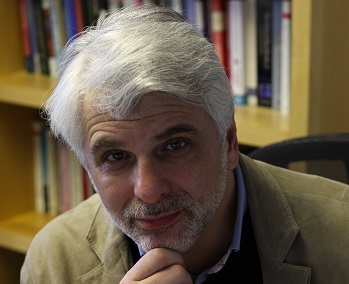
Prof Steven Vogel DO (Hons)
Professor
Professor of Musculoskeletal Health and Care at the UCO School of Osteopathy at HSU, Editor-in-Chief of the International Journal of Osteopathic Medicine and Past President of the Society for Back Pain Research.
Full bio
Head of Research & Knowledge Exchange and Director - NCOR
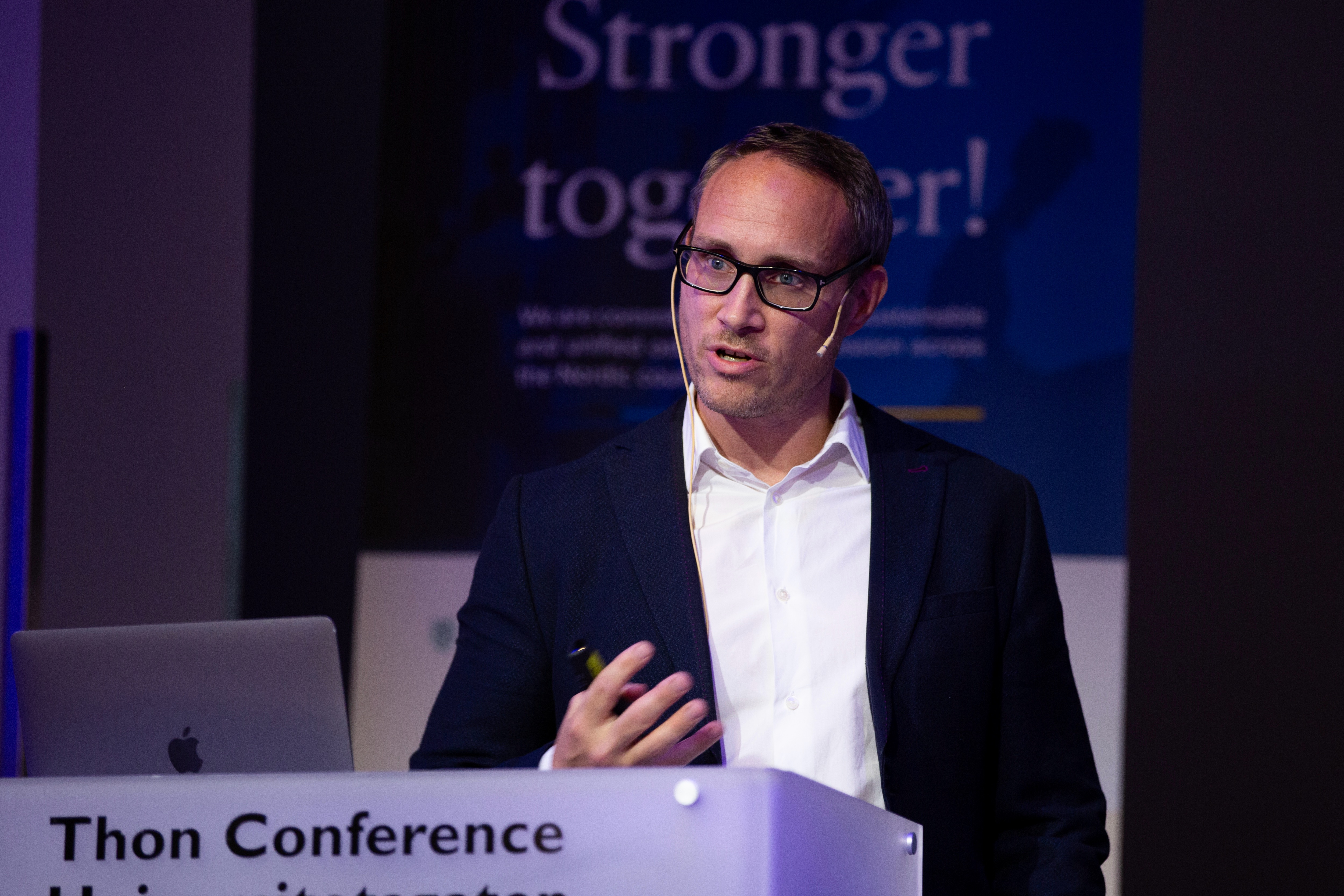
Principal Research Fellow & Doctoral Programme Leader

Entry Requirements
Essential requirements
Essential requirements
An undergraduate degree at 2:2 or above (UK or recognised international equivalent) in health sciences, health professions, social sciences, life sciences, health management or a related discipline, or equivalent professional qualification. Applicants with substantial relevant clinical, healthcare or health business research experience will be considered on an individual basis.
Is there anything else that’s required?
Is there anything else that’s required?
A personal statement demonstrating motivation for research methods study and its relevance to your professional practice.
International Students
International Students
International applicants are welcome. The programme is delivered fully online, accommodating different time zones and international healthcare contexts. English language requirements: follow the University’s standard taught postgraduate threshold for non-native English speakers (IELTS 6.5 overall with no element below 6.0, or equivalent)
No placement requirements that would affect visa eligibility.
How do I apply?
Applications are made directly through the HSU admissions portal
Still have questions about applying?
Register Your Interest
Register Your Interest / Enquiry
Course Fees
Tuition Fees 2026/27
Home/International
£2,775 per 60 credits
Looking for accommodation in Bournemouth?
If you’re joining a programme in January and looking for accommodation, we’ve got you covered with a range of options to suit your needs.

Why choose Health Sciences University
There are many benefits to studying at Health Sciences University, from our expertise and history in teaching health sciences, to our state-of-the-art facilities, on-site clinical training, and of course our location on the beautiful Bournemouth coast.
Latest News
Discover and read all the latest news, press releases and happenings here at Health Sciences University.





Find us
Health Sciences University
Bournemouth Campus
Parkwood Road
Bournemouth
BH5 2DF
Health Sciences University
London Campus
275 Borough High Street,
London
SE1 1JE
Health Sciences University
Reading Campus
19 Castle Street
Reading
RG1 7SB